mozgi
Gemini Video
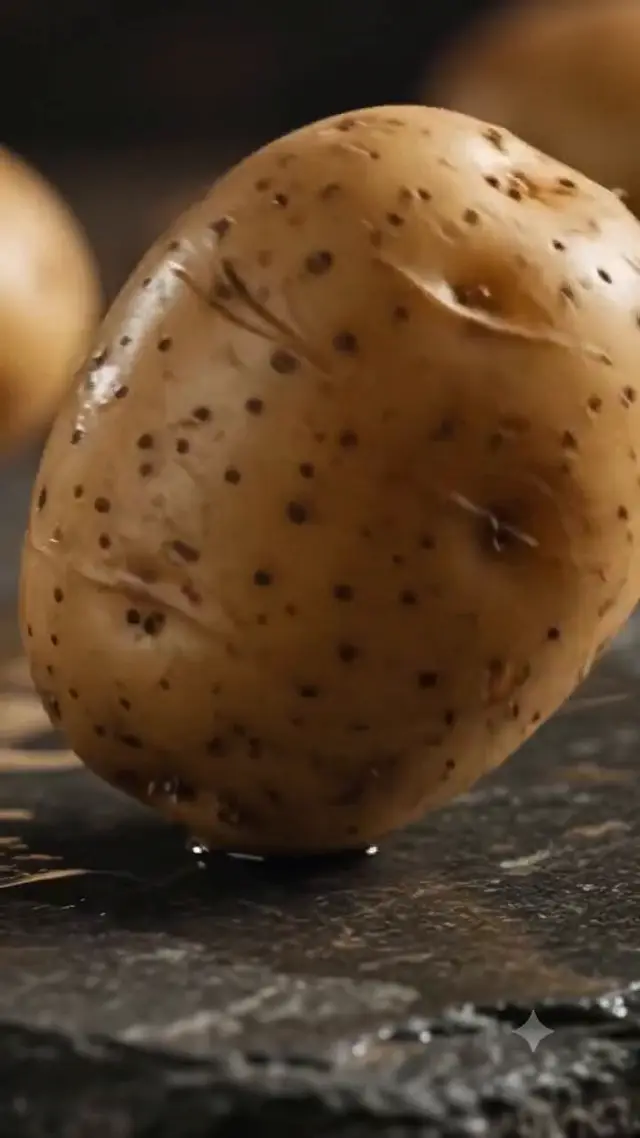
A vertical realistic ad for a Hakka dish: bitter melon is cut into rings, deseeded and stuffed with minced pork
Prompt
【Visual and continuity requirements for the full video】 Create a premium photorealistic food ad for “Hakka Stuffed Bitter Melon,” vertical 9:16, warm natural kitchen lighting, macro shots of real ingredients, crisp details, restrained steam and oil sheen. Use the same batch of 8 bitter melon rings throughout the video, each about 2.5—3 centimeters thick, with roughly consistent diameters and wall thicknesses. Preserve the naturally bumpy texture of the bitter melon skin; do not turn it into bell pepper rings, cucumber rings, or zucchini rings. The filling is pork with a three-to-seven ratio of fatty to lean meat and finely chopped shiitake mushrooms; retain tiny hand-chopped pieces. The raw filling is naturally pink, while the cooked filling is light brown with a slightly golden seared surface; color changes at each stage should match a real cooking process. Fill each bitter melon ring completely with the meat mixture, with the ends slightly rounded; the filling fits snugly against the melon wall. When flipping, plating, or picking one up with chopsticks, the ring and filling move together as a single piece; the filling must not fall out or pass through the melon wall. Use the same wooden cutting board, the same stainless steel mixing bowl, the same black flat-bottomed pan, and the same shallow white round plate throughout. Keep ingredient sizes, utensil colors, and light direction consistent. Do not generate text, subtitles, logos, watermarks, interfaces, or voice-over. If audio can be generated, keep only natural chopping, sizzling, and bubbling sounds; add narration and music consistently in post-production.

Part 1: Cutting fresh bitter melon into rings and removing the seeds
Create 10 seconds of photorealistic food ad footage for “Hakka Stuffed Bitter Melon,” vertical 9:16. 0—3 seconds: two washed fresh bitter melons sit on a wooden work surface, their skin naturally bright green with a clearly visible bumpy texture. Fresh pork, shiitake mushrooms, and a small amount of scallion, ginger, and garlic are arranged nearby; the background is tidy. 3—6 seconds: the cook uses a Chinese chef’s knife to cut the bitter melon into round sections about 2.5—3 centimeters thick. The blade makes realistic contact with the ingredient; the cut surfaces are even and the rings are thick, not thin slices. 6—9 seconds: a small spoon moves around the inside wall of a ring, scooping out the seeds and white pith; gently scrape away any remaining white membrane from the inner wall. Keep the melon wall intact; do not puncture it, and do not make it turn hollow automatically. 9—10 seconds: show the selected same batch of 8 hollow bitter melon rings, neatly arranged on a prep plate. Move the camera closer to one ring, clearly showing its skin, wall, and hollow structure. Warm side lighting, a slow camera push-in alternating with localized macro shots. Focus on where the knife and spoon touch the ingredients; avoid motion blur and overexposure.【Avoid】 bell pepper shapes, cucumber shapes, thin bitter melon slices, broken rings, lots of remaining seeds, automatic seed removal, ingredients appearing out of nowhere, fingers passing through objects, subtitles, watermarks.

Part 2: Mixing the filling and stuffing by hand
Create 10 seconds of continuous preparation footage for “Hakka Stuffed Bitter Melon,” using the same batch of 8 bitter melon rings from the previous part. 0—2 seconds: the hollow rings on the prep plate enter the foreground as the camera slowly turns toward the stainless steel bowl beside them. The bowl contains hand-chopped pork, finely chopped shiitake, and a small amount of scallion, ginger, and garlic; the filling has a natural grainy texture, not a smooth meat paste. 2—4 seconds: use natural quick cuts to show a small amount of light soy sauce, oyster sauce, white pepper, egg white, and starch being added, then mixed in the same direction. The filling gradually binds together, while tiny pork pieces and dark brown shiitake remain visible. 4—8 seconds: one hand holds a bitter melon ring while the other uses a small spoon to add the filling in several portions. Fill the bottom first, then gently press the filling against the inner wall, and finally fill the top. The filling fits snugly against the melon wall with no large gaps; it is slightly rounded on both sides, but does not form a tall ball of meat. 8—10 seconds: cut naturally to the same batch of 8 stuffed bitter melon rings. The amount of filling is consistent, and the rings retain their original thickness and diameter. End by moving the prep plate toward the stove. Alternate close-ups and overhead shots, focusing on the spoon pressing the filling into place. Warm, soft light, realistic hand movements, ingredient surfaces not overly smooth.【Avoid】 filling passing through the melon wall, separate meatballs, hollow filling, filling spilling out, misshapen rings, uniform meat paste, sauce turning the ingredients black, extra bitter melon rings suddenly appearing, deformed fingers, subtitles, watermarks.

Part 3: Searing both sides and braising with stock
Create 10 seconds of searing and braising footage for “Hakka Stuffed Bitter Melon.” 0—3 seconds: heat the same black flat-bottomed pan and add a thin layer of peanut oil. Lay the stuffed bitter melon from the previous part flat in the pan in a single layer, without overlapping; the filling ends should touch the pan. Tiny oil bubbles appear where the ingredients make contact, accompanied by natural sizzling sounds. 3—5 seconds: the cook slides a thin spatula fully beneath one ring and slowly flips it over, revealing the slightly golden seared surface of the filling, then sears the other side. The ring and filling must turn over together; do not move only the ring while leaving the filling in the pan. 5—7 seconds: add a small amount of water or stock around the edge of the pan, forming only a shallow layer of liquid that does not submerge the bitter melon. Then cover with the same lid. 7—10 seconds: show the braising process with natural time-jump cuts, rather than making it seem fully cooked instantly within ten seconds. After removing the lid, the bitter melon is a soft yellow-green, with tender but intact walls; the meat filling is fully cooked, remains plump, and retains its slightly golden seared surface. Warm side lighting, moving from a medium shot of the pan toward macro shots, emphasizing small bubbles, the seared surface, and natural steam. Steam must not completely obscure the ingredients.【Avoid】 boiling in a large pot of water, deep-frying, charred searing, overcooked bitter melon, rings becoming thinner, filling falling out, raw pink filling, bitter melon still looking raw after searing and braising, cookware changing color, quantity changes, subtitles, watermarks.

Part 4: Finishing with a light starch glaze and a close-up of the serving
Create 10 seconds of finished-dish ad footage for “Hakka Stuffed Bitter Melon,” vertical 9:16, to be edited down to 7 seconds in post-production. 0—3 seconds: add a small amount of seasoning and a starch slurry to the remaining liquid in the same pan; gently swirl the pan until it reduces to a clear, light-brown, thin glaze. The glaze lightly coats the ingredients without becoming thick and sticky. 3—6 seconds: slide a spatula beneath the stuffed bitter melon and plate it through a natural cut. Use the same shallow white round plate; arrange all 8 rings in a single layer, with the seared filling facing up, not piled into a tall tower. 6—8 seconds: use a small spoon to drizzle a little thin glaze evenly over the bitter melon and filling, leaving a light sheen. The skin texture, tiny cooked meat pieces, and shiitake must remain clearly visible, not hidden under a thick sauce. 8—10 seconds: a pair of wooden chopsticks gently picks up one whole stuffed bitter melon from both sides. The ring and filling stay connected; the food has realistic weight, and a little glaze naturally drips back onto the plate. Leave the corresponding empty space on the original plate; do not automatically replace the piece. Slowly push the camera in, focusing on the soft yellow-green melon wall, slightly golden filling, and clear thin glaze. Softly blur the background, then hold on the complete piece being lifted.【Avoid】 filling falling out, ring breaking, filling turning into meat paste when picked up, tofu-like filling texture, thick gelatinous glaze, excessive pools of oil, dark black sauce, food automatically reappearing, extra side dishes, rice, subtitles, watermarks.

Voice-over style prompt
Mandarin Chinese food-ad narration, natural warm voice, clear delivery, with an approachable home-cooked feel. Steady pace, with brief pauses at the ends of sentences; emphasize “fresh first, then sweet,” “each one plump,” “tender and juicy,” and “a taste of home.” No exaggerated sales pitch or mechanical emphasis on every word.

Common issue correction prompts:
Filling falling out: the bitter melon ring and the filling inside are tightly joined and move together as one complete piece of food. When flipping, the spatula supports the entire bottom; when picking it up, the filling must not slide out, fall off, or pass through the melon wall.
Bitter melon looks overcooked: the bitter melon is tender and cooked, but its walls retain their full thickness and ring shape. The surface is soft and moist, without collapsing, breaking, or melting.
Filling looks like tofu: the cooked meat filling must have tiny hand-chopped pieces, shiitake bits, and a naturally uneven surface, with a slightly golden seared side. Do not generate uniform white, smooth, textureless cubes or meat paste.
Glaze is too thick: the glaze should be clear, light brown, and thin, with a flowing consistency that lightly coats the surface. The textures of the melon skin and filling must remain visible; do not create a thick, gelatinous sauce.
【全片视觉与连续性要求】 制作「客家酿苦瓜」高端写实美食广告,竖屏9:16,暖色自然厨房光,真实食材微距,清晰细节,克制的蒸汽和油光。全片使用同一批8个苦瓜圈,每个厚约2.5—3厘米,直径和瓜壁厚度基本一致。苦瓜外皮保持自然凹凸纹路,不能变成青椒圈、黄瓜圈或西葫芦。肉馅为三肥七瘦猪肉与香菇碎,保留细小手剁颗粒。生馅呈自然粉红色,熟馅呈浅褐色并带微金黄煎面,不同阶段的颜色变化符合真实烹饪过程。每个苦瓜圈内部填满肉馅,两端略微饱满,瓜圈与肉馅紧密结合。翻面、装盘和夹取时,两者作为一个整体移动,肉馅不能掉出或穿透瓜壁。固定使用同一块木砧板、同一个不锈钢调馅盆、同一口黑色平底锅和同一只白色浅口圆盘。食材大小、器具颜色和光线方向保持连续。不生成文字、字幕、商标、水印、界面或配音。声音如可生成,仅保留自然切菜、煎制和沸腾声,旁白与音乐留到后期统一添加。 第一段:鲜瓜切圈与去瓤 生成10 seconds、vertical 9:16的「客家酿苦瓜」写实美食广告素材。0—3秒:木案上摆放两条洗净的鲜苦瓜,外皮自然翠绿,凹凸纹路清晰。旁边摆放新鲜猪肉、香菇和少量葱姜蒜,背景整洁。3—6秒:厨师用中式菜刀将苦瓜切成约2.5—3厘米厚的圆段。刀刃真实接触食材,切面平整,瓜圈厚实,不切成薄片。6—9秒:小勺沿瓜圈内壁转动,挖出中间瓜籽和白色瓜瓤,轻轻刮去内壁残留白膜。瓜壁保持完整,不能被挖破,也不能自动变成空心。9—10秒:展示选好的同一批8个空心苦瓜圈,整齐放在备料盘上。镜头靠近其中一个,清楚表现瓜皮、瓜壁和空心结构。使用暖色侧光,慢速推镜与局部微距切换。对焦刀具和勺子接触食材的位置,避免运动模糊和过曝。【避免】青椒形状、黄瓜形状、薄瓜片、瓜圈破裂、残留大量瓜籽、自动去瓤、食材凭空增加、手指穿模、字幕、水印。 第二段:调馅与手工酿入 生成10 seconds、vertical 9:16的「客家酿苦瓜」连续制作画面,使用上一段同一批8个苦瓜圈。0—2秒:备料盘上的空心瓜圈进入前景,镜头缓慢转向旁边的不锈钢盆。盆中是手剁猪肉馅、香菇碎和少量葱姜蒜,肉馅有自然颗粒,不是光滑肉泥。2—4秒:用自然短切表现加入少量生抽、蚝油、胡椒粉、蛋清和淀粉,再顺着同一个方向搅拌。肉馅逐渐黏合,但仍能看见细小猪肉颗粒和深褐色香菇碎。4—8秒:一只手托住苦瓜圈,另一只手用小勺分次填入肉馅。先填底部,再沿内壁轻轻压实,最后补满上方。肉馅与瓜壁紧密贴合,没有大空洞,两面略微饱满,但不堆成高高的肉球。8—10秒:自然剪辑到同一批8个已经酿好的苦瓜圈。肉馅填充量基本一致,瓜圈保持原有厚度与直径。结尾将备料盘移向灶台。近景与俯拍交替,重点对焦勺子压入肉馅的过程。暖色柔光,真实手部动作,食材表面不过度光滑。【避免】肉馅穿透瓜壁、独立肉丸、空心肉馅、肉馅溢出、瓜圈变形、均匀肉泥、酱料染黑、突然多出苦瓜圈、畸形手指、字幕、水印。 第三段:两面煎香与加汤焖制 生成10 seconds、vertical 9:16的「客家酿苦瓜」煎焖画面。0—3秒:同一口黑色平底锅烧热,加入薄薄一层花生油。将上一段的酿苦瓜平放入锅,肉馅端面接触锅底,单层排列,不重叠。接触处出现细小油泡和自然煎制声。3—5秒:厨师用薄锅铲从底部完整托住一个苦瓜圈,缓慢翻面,露出微金黄色的肉馅煎面,再煎另一面。瓜圈和肉馅必须一起翻转,不能只有瓜圈移动、肉馅留在锅里。5—7秒:沿锅边加入少量清水或高汤,只形成浅浅一层汤水,不能淹没苦瓜。随后盖上同一个锅盖。7—10秒:通过自然时间跳切表现焖制过程,而不是十秒内瞬间煮熟。揭盖后,苦瓜转为熟制后的柔和黄绿色,瓜壁软而不烂,肉馅完全熟透,保持饱满并保留微金黄煎面。暖色侧光,锅面中景逐渐转为微距,强调小气泡、煎面和自然蒸汽。蒸汽不能遮住全部食材。【避免】大锅水煮、油炸、焦黑煎面、苦瓜煮烂、瓜圈变薄、肉馅掉落、生粉红肉馅、煎焖后仍像生瓜、锅具变色、数量变化、字幕、水印。 第四段:薄芡出品与夹取特写 生成10 seconds、vertical 9:16的「客家酿苦瓜」成品广告镜头,供后期剪选7秒使用。0—3秒:在同一锅剩余汤汁中加入少量调味料和淀粉水,轻轻晃锅,收成清亮浅褐色薄芡。芡汁轻轻附着在食材表面,不黏成厚胶。3—6秒:用锅铲从底部托住酿苦瓜,通过自然剪辑完成装盘。使用同一只白色浅口圆盘,8个苦瓜圈单层排列,肉馅煎面朝上,不堆成高塔。6—8秒:小勺将少量薄芡均匀淋在苦瓜与肉馅上,形成薄薄亮泽。瓜皮纹路、细小熟肉颗粒和香菇碎仍清楚可见,不能被厚酱盖住。8—10秒:一双木筷从两侧轻轻夹起一个完整酿苦瓜。瓜圈与肉馅保持结合,食材有真实重量,少量芡汁自然滴回盘中。原盘留下对应空位,不能自动补回。镜头缓慢推进,聚焦柔和黄绿色瓜壁、微金黄肉馅和清亮薄芡。背景柔和虚化,最后在完整夹起的成品上停留。【避免】肉馅脱落、瓜圈碎裂、夹成肉泥、豆腐质感肉馅、厚胶状芡汁、大量浮油、深黑酱汁、食材自动补回、额外配菜、米饭、字幕、水印。 配音风格提示词 中文普通话美食广告旁白,声音自然温暖,表达清楚,有亲切的家常感。语速平稳,句尾留少量停顿,重点突出‘先鲜后甘’‘个个饱满’‘鲜嫩多汁’和‘家乡味’。不要夸张叫卖,不要逐字机械重读。 常见问题修正词:肉馅掉出来:苦瓜圈与内部肉馅紧密结合,作为一个完整食物整体移动。翻面时锅铲托住整个底面,夹取时肉馅不得滑出、掉落或穿过瓜壁。 苦瓜看起来煮烂了:苦瓜已经软熟,但瓜壁仍保持完整厚度和环形结构。表面柔软湿润,不能塌陷、碎裂或融化。 肉馅像豆腐:熟肉馅必须有细小手剁颗粒、香菇碎和自然不均匀表面,煎面微金黄,不生成均匀白色、光滑无纹理的方块或肉泥。 芡汁太厚:芡汁为清亮浅褐色薄芡,具有流动性,仅轻薄附着表面,仍能看清瓜皮和肉馅纹理,不出现胶状厚浆。
The rights to this prompt belong to its author @7998l201. You are responsible for any commercial use — promoting AI tools, aggregators or Telegram bots: mozgi.io accepts no liability. Details →