mozgi
Claude Opus 5.5
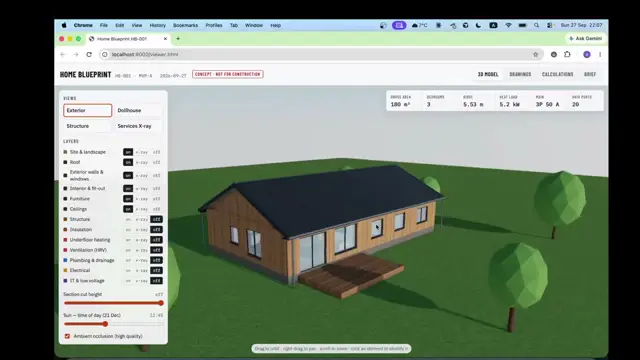
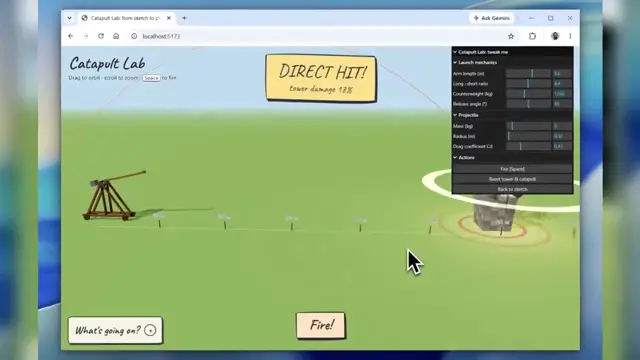
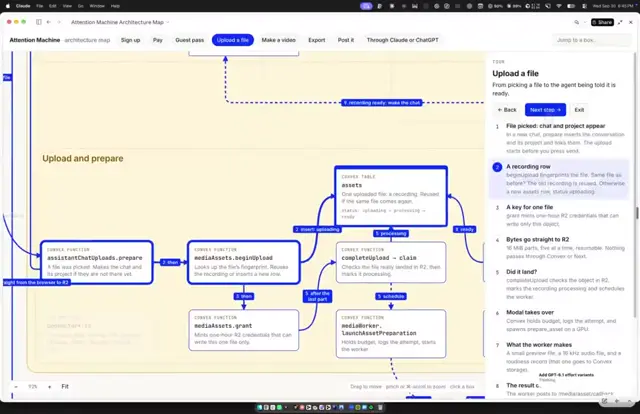
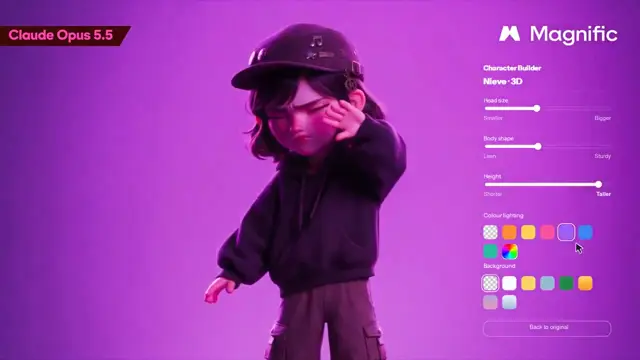
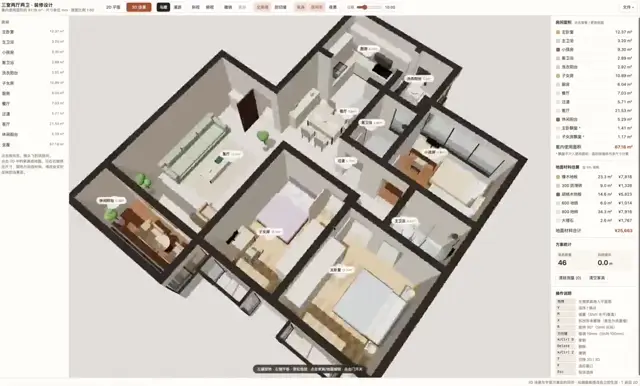
Interactive 3D model generated from text description, ready for animation and editing
Interactive 3D model generated from text description using Claude Opus 5.5, ready for animation and editing.
Prompt
Opus 5.5 turned one sentence into a 3D system that opens in Blender, rigged, textured and ready to animate.

It does not render the object. It constructs it, part by part, the way a modeller would if they had a week.

> PARSE - the sentence becomes a parts list with real dimensions, nothing implied
> MASS - each part built as clean geometry, quads only, no sculpted mush
> RIG - joints and pivots placed where the object physically bends
> SKIN - materials assigned per surface, scale and roughness set separately
> PACK - exported with a named hierarchy, so a human can edit one part

Image models stop at the render. What you get is a photograph of a thing that does not exist as a thing.

That gap appears the second someone wants to move an arm, swap a material, or send it to a printer.

Rigging is what nobody automates. Without pivots you have a statue, and a statue cannot be a system.

Topology beats detail every time. A dense mesh looks stunning in a screenshot and folds the moment it deforms.

Names carry through the whole export. Every part, joint and material reads the way a person would label it.

Studios burn days on modelling and cleanup before anyone gets to the creative part of the job.

The prompt format and what each stage returns are laid out underneath.
The rights to this prompt belong to its author @0xWast3. You are responsible for any commercial use — promoting AI tools, aggregators or Telegram bots: mozgi.io accepts no liability. Details →