mozgi
Nano Banana Pro
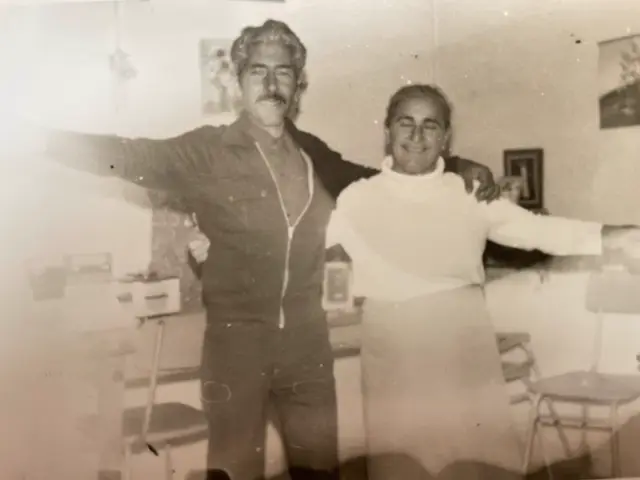
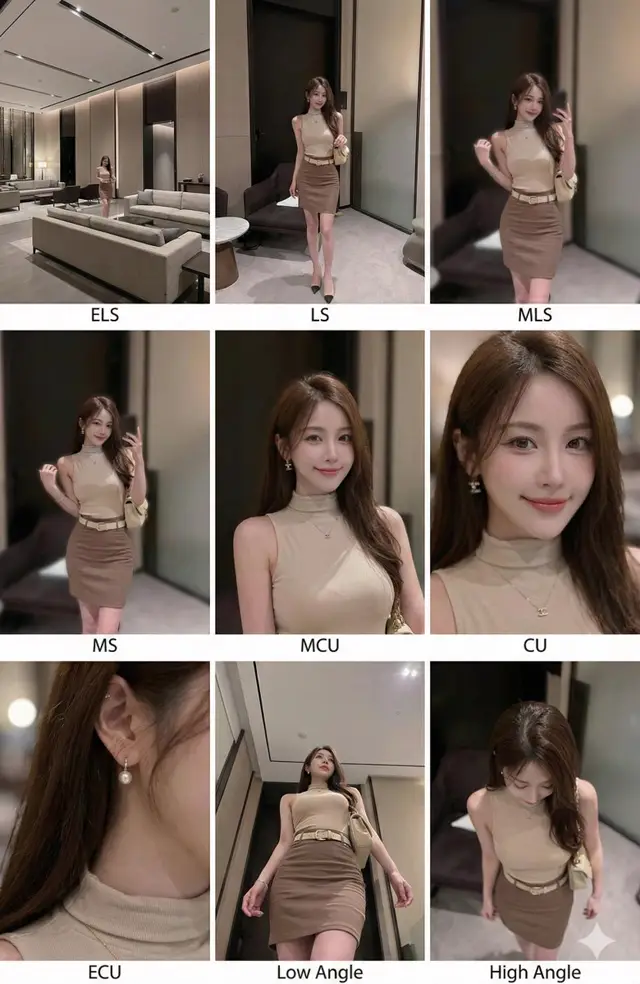
A woman in a beige top and skirt is shown in 9 shots, from a wide interior view to close-ups of her face and details
Prompt
Analyze the entire composition of the input image. Identify all key subjects present (whether single person, group/couple, vehicle, or specific object) and their spatial relationship/interaction.
Generate a cohesive 3x3 grid "Contact Sheet" showcasing 9 distinct shots of these subjects entirely within the same environment.
You must adapt standard cinematic shot types to fit the content (e.g., if it's a group, keep the group together; if an object, the composition includes the entire object):
Row 1 (Establishing Background):
1. Extreme Long Shot (ELS): Subject appears small within a vast environment.
2. Long Shot (LS): Full subject or group visible from top to bottom (head to toe / wheel to roof).
3. Medium Long Shot (American Shot/¾ Shot): Composition from above the knees (for people) or ¾ perspective (for objects).
Row 2 (Core Coverage):
4. Medium Shot (MS): Composition from above the waist (or central core of an object). Focus on interaction/action.
5. Medium Close-Up (MCU): Composition from above the chest. Intimate framing of the main subject.
6. Close-Up (CU): Tight composition on the face or the "front" of an object.
Row 3 (Details & Angles):
7. Extreme Close-Up (ECU): Macro detail intensely focused on key features (eyes, hands, logos, textures).
8. Low Angle Shot (Worm's Eye): Looking up at the subject from ground level (epic/heroic).
9. High Angle Shot (Bird's Eye): Looking down on the subject from above.
Ensure strict consistency: same characters/objects, same clothing, and same lighting across all 9 panels. Depth of field should vary realistically (background blur in close-up shots).

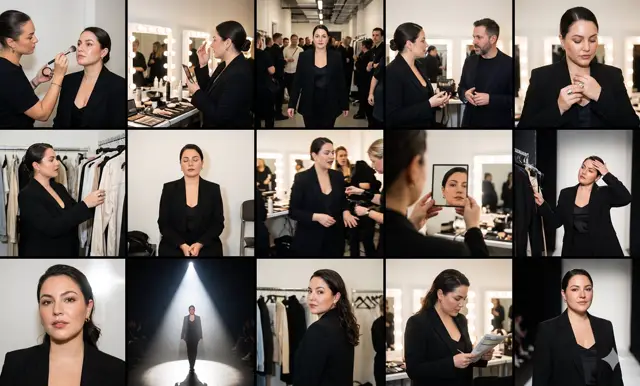
A professional 3x3 cinematic storyboard grid containing 9 panels.
This grid displays the specific subject(s)/scene from the input image across a comprehensive range of focal lengths.
Top Row: Wide environmental shot, full view, ¾ cut (knee-up).
Middle Row: Waist-up view, chest-up view, face/front close-up.
Bottom Row: Macro detail, low angle, high angle.
All frames possess photorealistic textures, consistent cinematic color grading, and correct composition for the specific number of subjects or objects analyzed.
分析输入图像的整个构图。识别所有存在的关键主体(无论是单人、群体/情侣、车辆还是特定物体)及其空间关系/互动。
生成一个连贯的 3x3 网格“电影印样(Contact Sheet)”,展示在同一环境中完全是这些主体的 9 个不同镜头。
你必须调整标准的电影镜头类型以适应内容(例如,如果是群体,保持群体在一起;如果是物体,构图包含整个物体):
第 1 行(建立背景):
大远景 (ELS): 主体在广阔的环境中显得很小。
全景 (LS): 完整的主体或群体从上到下可见(从头到脚 / 从车轮到车顶)。
中远景 (美式镜头/四分之三): 构图从膝盖以上(针对人物)或 3/4 视角(针对物体)。
第 2 行(核心覆盖):
4. 中景 (MS): 构图从腰部以上(或物体的中心核心)。聚焦于互动/动作。
5. 中特写 (MCU): 构图从胸部以上。主要主体的亲密构图。
6. 特写 (CU): 紧凑构图于脸部或物体的“正面”。
第 3 行(细节与角度):
7. 大特写 (ECU): 强烈聚焦于关键特征(眼睛、手、标志、纹理)的微距细节。
8. 低角度镜头 (仰视/虫眼): 从地面仰望主体(壮观/英雄感)。
9. 高角度镜头 (俯视/鸟瞰): 从上方俯瞰主体。
确保严格的一致性:所有 9 个面板中是相同的人物/物体、相同的衣服和相同的光照。景深应逼真地变化(特写镜头中的背景虚化)。

一个包含 9 个面板的专业 3x3 电影故事板网格。
该网格以全面的焦距范围展示输入图像中的特定主体/场景。
顶行: 宽广环境镜头,全视图,3/4 剪辑(膝上景)。
中间行: 腰部以上视图,胸部以上视图,脸部/正面特写。
底行: 微距细节,低角度,高角度。
所有帧均具有照片般逼真的纹理,一致的电影级调色,以及针对所分析的主体或物体特定数量的正确构图。
- Needs your photo: attach an image to the request — the prompt works with it.
The rights to this prompt belong to its author @songguoxiansen. You are responsible for any commercial use — promoting AI tools, aggregators or Telegram bots: mozgi.io accepts no liability. Details →