mozgi
Seedance 2.5
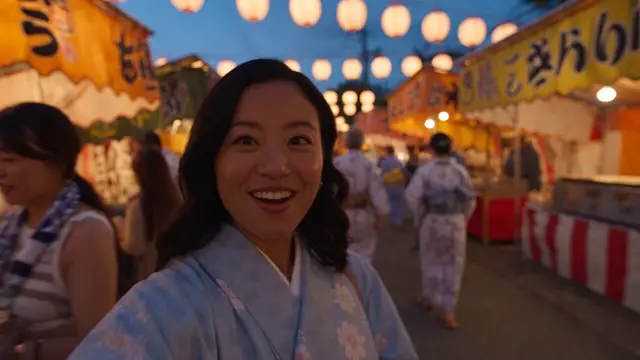
Una registrazione in 4K in stile smartphone di 15 secondi di un festival estivo giapponese di notte, un momento virale immersivo e inaspettatamente bello
Prompt
Crea un unico video continuo di 15 secondi in formato 16:9. Usa lo storyboard fornito e le immagini di riferimento del festival come guida visiva. L’intero video deve sembrare UNA SOLA registrazione continua della vita reale effettuata con uno smartphone da una persona che sta partecipando di notte a un festival estivo giapponese. Riprese live-action fotorealistiche in 4K ad altissima definizione, con qualità d’immagine cinematografica premium, dettagli naturali nitidi, ampia gamma dinamica, ricca profondità cromatica, esposizione notturna pulita e professionale e texture fini realistiche. Il video deve risultare immersivo, spontaneo, emozionante e credibile, come un momento inaspettatamente bello e virale catturato durante un vero festival estivo giapponese locale. Non trattare i pannelli dello storyboard come inquadrature separate e scollegate. Mantieni una forte continuità spaziale, di camera, di illuminazione e ambientale per tutta la sequenza di 15 secondi. La stessa location del festival, lo stesso lungofiume, la stessa atmosfera della folla, la stessa notte, la stessa illuminazione e lo stesso mondo visivo devono rimanere coerenti. 0:00–0:02 — Camminando attraverso il festival estivo Inizia con una visuale in prima persona, camminando naturalmente in avanti lungo una vivace strada di un festival estivo giapponese. Usa l’immagine di riferimento del festival fornita per la composizione e l’atmosfera generale. A sinistra c’è una bancarella realistica di yakisoba con una grande piastra metallica rovente, noodles, utensili da cucina, vapore che sale, illuminazione calda e venditori intenti a preparare il cibo. A destra c’è una tradizionale bancarella giapponese per pescare i pesci rossi, con una vasca d’acqua blu poco profonda, molti piccoli pesci rossi arancioni, retini di carta, sottili riflessi sull’acqua e visitatori del festival che si divertono con il gioco. Sopra la strada sono appese lanterne di carta dalla luce calda. Molti visitatori giapponesi del festival attraversano naturalmente il centro dell’inquadratura; alcuni indossano yukata, altri abiti estivi casual. La camera si muove delicatamente su e giù seguendo passi umani realistici. Movimento naturale da smartphone tenuto in mano. Nessuna mano o braccio visibile davanti alla camera. L’immagine deve essere estremamente pulita e dettagliata. Conserva chiaramente: la texture della carta delle lanterne, la texture del tessuto delle bancarelle, i dettagli della superficie del cibo, il vapore, i pesci rossi, i riflessi sull’acqua, la texture del tessuto degli yukata, i capelli, la pelle, la texture della pavimentazione e le luci sullo sfondo. L’atmosfera è calda, affollata, nostalgica, immersiva e realistica. 0:02–0:03 — Inizia il suono del lancio dei fuochi d’artificio Continua a camminare lungo ESATTAMENTE la stessa strada del festival. Non fare stacchi. Non cambiare la disposizione delle bancarelle. Inizia un suono lontano di lancio di un fuoco d’artificio: “whoooooosh…” Il movimento della camera rallenta naturalmente e leggermente quando la persona nota il suono. La persona non si è ancora girata completamente verso il fiume. La bancarella dello yakisoba rimane a sinistra. La bancarella per pescare i pesci rossi rimane a destra. La folla continua a muoversi naturalmente. Crea curiosità e attesa. Il suono indica che un fuoco d’artificio è già stato lanciato da qualche parte dietro o accanto allo spettatore. 0:03–0:04 — Girati dolcemente verso il fuoco d’artificio Senza stacchi, gira dolcemente la camera verso la direzione da cui proviene il suono del fuoco d’artificio. Il movimento deve essere un’unica reazione umana continua e fisicamente credibile. Usa una rapida ma controllata panoramica a mano. Evita un motion blur eccessivo. Mentre la camera si allontana dalle bancarelle, rivela gradualmente: il margine della folla del festival, il lungofiume, lo skyline cittadino in lontananza e l’ampio cielo notturno scuro e aperto. Lo STESSO fuoco d’artificio è già visibile in volo, mentre sale verso l’alto. Non iniziare un nuovo fuoco d’artificio. Non reimpostare il fuoco d’artificio. Non farlo comparire improvvisamente nella parte inferiore dell’inquadratura. Quando la camera termina la rotazione, il proiettile luminoso deve essere già chiaramente sopra il punto di lancio. Le sagome della folla rimangono naturalmente visibili vicino alla parte inferiore dell’inquadratura. 0:04–0:07 — Segui lo stesso fuoco d’artificio verso l’alto Continua a seguire ESATTAMENTE LO STESSO fuoco d’artificio. La camera si inclina naturalmente verso l’alto mentre lo segue. Il fuoco d’artificio sale costantemente sempre più in alto nel cielo notturno. Lascia una singola scia luminosa continua dorata-arancione, con scintille fini realistiche e una sottile scia di fumo. La traiettoria deve rimanere completamente coerente. La stessa fonte di luce deve rimanere visibile per tutta la sequenza. Non creare un altro fuoco d’artificio. Non riavviare l’animazione del lancio. Non cambiare improvvisamente direzione. La camera mantiene il fuoco d’artificio vicino al centro dell’inquadratura. Il movimento di inseguimento verso l’alto deve rimanere fluido e realistico. Il cielo notturno deve rimanere profondo e pulito, con ombre dettagliate e rumore d’immagine minimo. Non schiacciare i neri. Conserva le luci sottili della città e le sagome della folla vicino alla parte inferiore dell’inquadratura. Crea suspense. Lo spettatore deve pensare: “What is this firework going to become?” 0:07–0:08 — Il fuoco d’artificio inizia a esplodere Lo stesso fuoco d’artificio raggiunge il punto più alto. Crea una pausa brevissima prima dell’esplosione. Poi: BANG! Il proiettile inizia a esplodere verso l’esterno. Inizialmente si apre formando un realistico fuoco d’artificio dorato a forma di crisantemo. L’esplosione cresce naturalmente dal centro verso l’esterno. Usa particelle luminose fisicamente realistiche, sottili scie luminose, fumo e scintille. La luminosità deve essere potente ma ben controllata. Non bruciare completamente le alte luci. Conserva la struttura dettagliata delle scintille anche nelle parti più luminose. La camera reagisce solo con un sottile tremolio naturale della ripresa a mano. Non fare stacchi. 0:08–0:10 — Gigantesco fuoco d’artificio a crisantemo arcobaleno LO STESSO fuoco d’artificio dorato si trasforma naturalmente in un enorme fuoco d’artificio a crisantemo dai colori dell’arcobaleno. Continua ad espandersi verso l’esterno formando una fioritura circolare grande e quasi perfetta. Usa colori vividi ma credibili: rosso, arancione, giallo, verde, ciano, blu, viola. I colori devono rimanere riccamente separati e chiaramente visibili senza sembrare artificiali. Il fuoco d’artificio riempie gran parte del cielo notturno. Questo è il climax visivo ed emotivo del video. Rendi il fuoco d’artificio immenso, mozzafiato, elegante e realistico. Mostra singole particelle di fuoco d’artificio estremamente fini. Ogni scia luminosa deve avere delicati dettagli scintillanti. Conserva: la separazione delle particelle, i piccoli frammenti luminosi, la texture del fumo, le sottili sfumature cromatiche e la luminosità che svanisce realisticamente. NON formare parole. NON formare caratteri giapponesi. NON formare simboli. NON formare loghi. Deve rimanere un puro, gigantesco e realistico fuoco d’artificio a crisantemo arcobaleno. Mantieni la camera quasi immobile per un breve momento, così che lo spettatore possa apprezzare pienamente il fuoco d’artificio. 0:10–0:12 — Goditi il bagliore residuo Il fuoco d’artificio arcobaleno svanisce gradualmente. Le scie colorate si frantumano in centinaia di piccole braci luminose. Le singole scintille cadono lentamente verso il basso sotto l’effetto della gravità. Il fumo realistico si diffonde delicatamente nel cielo scuro. Lo skyline cittadino e le sagome della folla rimangono sottilmente visibili vicino alla parte inferiore dell’inquadratura. La camera rimane per lo più immobile. Crea una pausa emotiva e silenziosa dopo il climax visivo. Conserva i dettagli fini delle scintille e del fumo che svaniscono. Evita le aree nere impastate. Evita il rumore eccessivo. Evita la nitidezza eccessiva. Non tornare immediatamente al festival con uno stacco. Il pubblico deve avere il tempo di godersi il retrogusto emotivo. 0:12–0:15 — Torna dolcemente alla strada del festival Mentre le ultime scintille del fuoco d’artificio stanno ancora svanendo, inclina lentamente la camera verso il basso. Deve essere un movimento fisico continuo della camera. Nessun taglio netto. Nessuna teletrasportazione. Mentre la camera si inclina verso il basso: mostra prima la parte superiore della folla, poi più persone, quindi la luce calda delle lanterne e infine le bancarelle del festival. Torna gradualmente alla stessa identica strada del festival dell’inizio. La bancarella dello yakisoba è di nuovo a sinistra. La bancarella per pescare i pesci rossi è di nuovo a destra. Mantieni la stessa densità generale della folla, la disposizione delle bancarelle, l’illuminazione calda e l’atmosfera del festival. La persona ricomincia naturalmente a camminare in avanti. Le lanterne brillano caldamente senza andare in clipping. La vasca d’acqua dei pesci rossi riflette la luce delle lanterne. Il vapore della bancarella dello yakisoba cattura delicatamente l’illuminazione calda. Il finale dovrebbe f
Create one continuous 15-second video in 16:9. Use the provided storyboard and festival reference images as visual guidance. The entire video must feel like ONE continuous real-life smartphone recording captured by a person attending a Japanese summer festival at night. Ultra-high-definition 4K photorealistic live-action footage with premium cinematic image quality, crisp natural details, high dynamic range, rich color depth, clean professional nighttime exposure, and realistic fine textures. The video should feel immersive, spontaneous, emotional, and believable, like an unexpectedly beautiful viral moment captured during a real local Japanese summer festival. Do not treat the storyboard panels as separate unrelated shots. Maintain strong spatial continuity, camera continuity, lighting continuity, and environmental consistency throughout the full 15-second sequence. The same festival location, same riverside, same crowd atmosphere, same night, same lighting, and same visual world must remain consistent. 0:00–0:02 — Walking through the summer festival Begin in first-person POV, naturally walking forward through a lively Japanese summer festival street. Use the provided festival reference image for the overall composition and atmosphere. On the left is a realistic yakisoba stall with a large hot metal griddle, noodles, cooking tools, rising steam, warm lighting, and vendors preparing food. On the right is a traditional Japanese goldfish scooping stall with a shallow blue water tank, many small orange goldfish, paper scoops, subtle water reflections, and festival visitors enjoying the game. Warm paper lanterns hang above the street. Many Japanese festival visitors naturally walk through the center of the frame, some wearing yukata and others wearing casual summer clothes. The camera moves gently up and down with realistic human footsteps. Natural handheld smartphone motion. No visible hands or arms in front of the camera. The image should be extremely clean and detailed. Clearly preserve: lantern paper texture, stall fabric texture, food surface detail, steam, goldfish, water reflections, yukata fabric, hair, skin, pavement texture, and background lights. The atmosphere is warm, busy, nostalgic, immersive, and realistic. 0:02–0:03 — The firework launch sound begins Continue walking through EXACTLY the same festival street. Do not cut. Do not change the stall arrangement. A distant firework launch sound begins: “whoooooosh…” The camera movement naturally slows slightly as the person notices the sound. The person has not yet fully turned toward the river. The yakisoba stall remains on the left. The goldfish scooping stall remains on the right. The crowd continues moving naturally. Build curiosity and anticipation. The sound indicates that a firework has already been launched somewhere behind or beside the viewer. 0:03–0:04 — Smoothly turn toward the firework Without cutting, smoothly turn the camera toward the direction of the firework sound. The movement must be one continuous and physically believable human reaction. Use a quick but controlled handheld pan. Avoid excessive motion blur. As the camera turns away from the stalls, gradually reveal: the edge of the festival crowd, the riverside, the distant city skyline, and the open dark night sky. The SAME firework is already visible in mid-flight, rising upward. Do not begin a new firework. Do not reset the firework. Do not make it suddenly appear at the bottom of the frame. The glowing shell should already be clearly above the launch point when the camera finishes turning. Crowd silhouettes remain naturally visible near the bottom of the frame. 0:04–0:07 — Follow the same firework upward Continue following the exact SAME firework. The camera naturally tilts upward while tracking it. The firework rises steadily higher into the night sky. It leaves one continuous golden-orange glowing trail with realistic fine sparks and a thin smoke trail. The trajectory must remain completely consistent. The same light source must remain visible throughout. Do not create another firework. Do not restart the launch animation. Do not suddenly change its direction. The camera keeps the firework close to the center of the frame. The upward tracking motion should remain smooth and realistic. The night sky should remain deep and clean, with detailed shadows and minimal image noise. Do not crush the blacks. Preserve subtle city lights and crowd silhouettes near the bottom of the frame. Build suspense. The viewer should feel: “What is this firework going to become?” 0:07–0:08 — The firework starts to burst The same firework reaches its highest point. Create a very short pause before the explosion. Then: BANG! The shell begins exploding outward. It initially opens into a realistic golden chrysanthemum-style firework. The explosion grows naturally from the center outward. Use physically realistic luminous particles, fine glowing trails, smoke, and sparks. The brightness should be powerful but well controlled. Do not completely blow out the highlights. Preserve detailed spark structure even in the brightest parts. The camera reacts with only a subtle natural handheld shake. Do not cut. 0:08–0:10 — Giant rainbow chrysanthemum firework The SAME golden firework naturally transforms into a huge rainbow-colored chrysanthemum firework. It continues expanding outward into a nearly perfect large circular bloom. Use vivid but believable colors: red, orange, yellow, green, cyan, blue, purple. The colors should remain richly separated and clearly visible without looking artificial. The firework fills a large portion of the night sky. This is the visual and emotional climax of the video. Make the firework feel massive, breathtaking, elegant, and realistic. Render extremely fine individual firework particles. Each glowing trail should have delicate sparkling detail. Preserve: particle separation, small glowing fragments, smoke texture, subtle color gradients, and realistic fading brightness. Do NOT form words. Do NOT form Japanese characters. Do NOT form symbols. Do NOT form logos. This must remain a pure, giant, realistic rainbow chrysanthemum firework. Hold the camera almost still for a brief moment so the viewer can fully appreciate the firework. 0:10–0:12 — Enjoy the afterglow The rainbow firework gradually fades. The colored trails break into hundreds of small glowing embers. Individual sparks slowly fall downward under gravity. Realistic smoke gently spreads across the dark sky. The city skyline and crowd silhouettes remain subtly visible near the bottom of the frame. The camera stays mostly still. Create a quiet emotional pause after the visual climax. Preserve fine detail in the fading sparks and smoke. Avoid muddy black areas. Avoid excessive noise. Avoid oversharpening. Do not immediately cut back to the festival. The audience should have time to enjoy the余韻. 0:12–0:15 — Smoothly return to the festival street While the last firework sparks are still fading, slowly tilt the camera downward. This must be a continuous physical camera movement. No hard cut. No teleportation. As the camera tilts down: first reveal the tops of the crowd, then more people, then warm lantern light, then the festival stalls. Gradually return to the exact SAME festival street from the beginning. The yakisoba stall is again on the left. The goldfish scooping stall is again on the right. Maintain the same general crowd density, stall arrangement, warm lighting, and festival atmosphere. The person naturally begins walking forward again. The lanterns glow warmly without clipping. The goldfish water tank reflects the lantern light. Steam from the yakisoba stall softly catches the warm lighting. The ending should f
I diritti su questo prompt appartengono all'autore @24_y0siii. Dell'uso commerciale — promozione di strumenti IA, aggregatori, bot Telegram — rispondi tu: mozgi.io non si assume alcuna responsabilità. Dettagli →