mozgi
Seedance 2.0
Primo piano di un monologo emotivo silenzioso: una donna a un tavolo di legno in una calda cucina notturna passa da un sentimento all'altro
Prompt
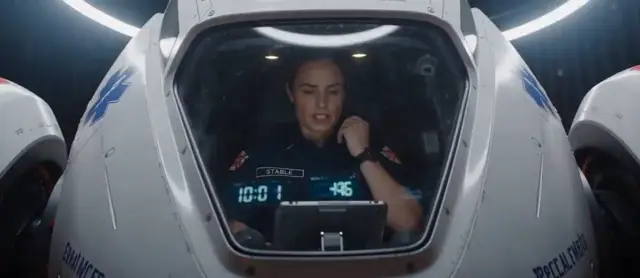
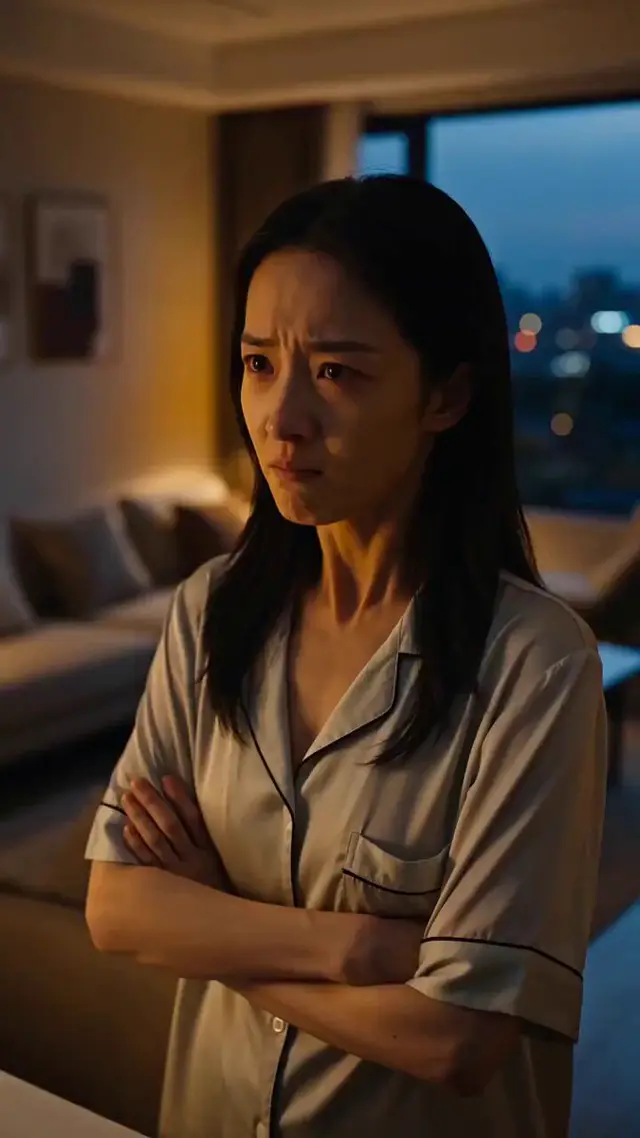
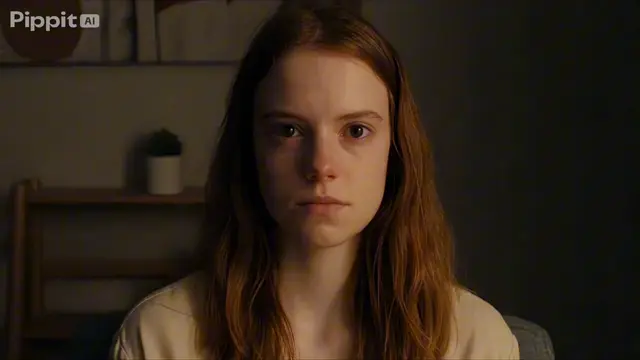
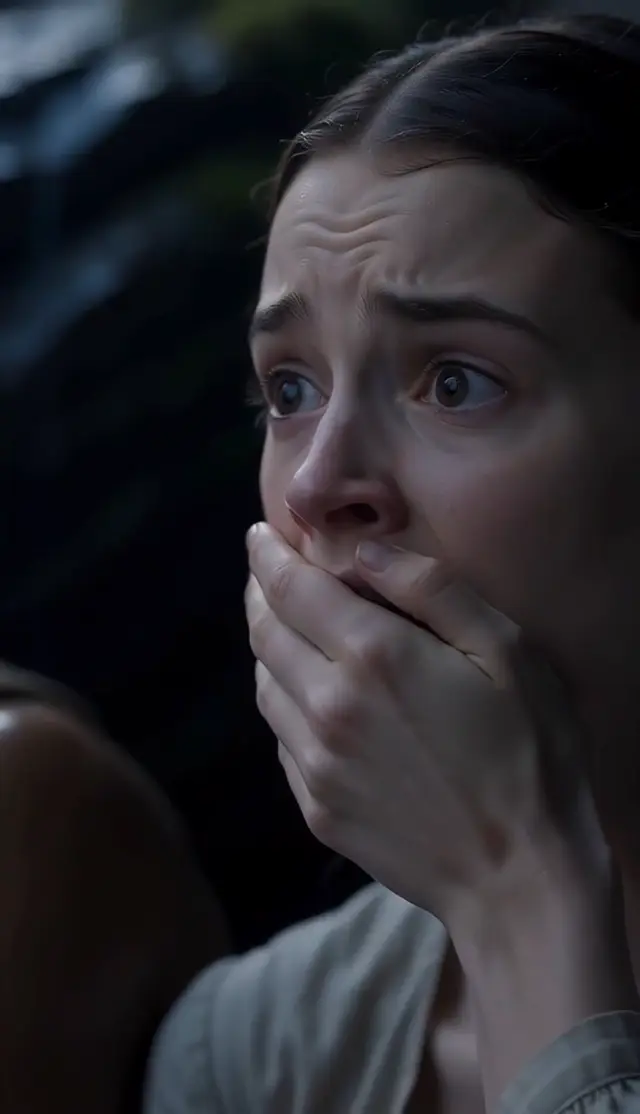
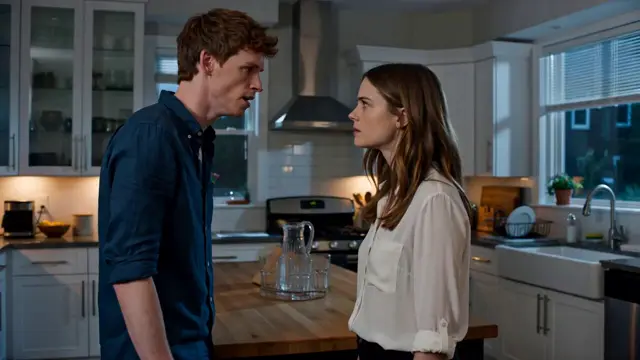
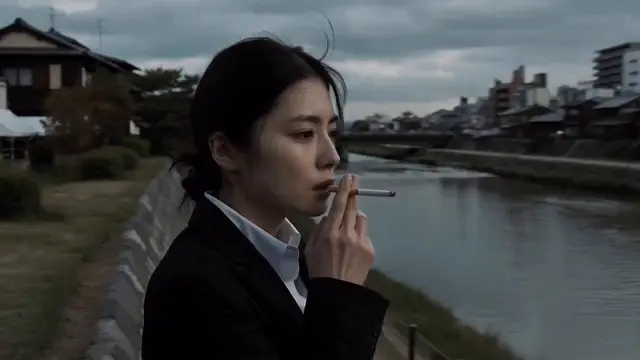
Primo piano di un monologo emozionale. La donna in @image_1 siede a un tavolo da pranzo in legno nella cucina in legno, calda e scarsamente illuminata, di @image_2—armadietti in legno, ciotole, piatti e scaffali profondamente sfocati dietro di lei, notte fuori dalla finestra. Non ci sono fonti di luce visibili nell'inquadratura—niente lampadari, lampade, attrezzature di illuminazione o impianti—sono visibili solo la luce stessa e il modo in cui cade sul suo viso; tutte le fonti di luce sono fuori campo. L'intero film è girato in un unico piano sequenza continuo, senza alcun montaggio, transizione o cambio di inquadratura—la stessa telecamera ininterrotta dall'inizio alla fine. Lei rimane in silenzio per tutto il tempo, senza pronunciare una sola parola—l'intera emozione è trasmessa esclusivamente attraverso le espressioni facciali e il contatto visivo. Tutte le emozioni cambiano rapidamente, passando velocemente da una all'altra, ogni fase è breve—l'interpretazione scivola rapidamente attraverso ogni fase emotiva con un ritmo serrato. Telecamera: La posizione della telecamera è fissa, ma presenta la texture di una ripresa a mano—vividi tremori a mano, lievi scuotimenti e vibrazioni, l'obiettivo che oscilla quasi impercettibilmente a destra e a sinistra, respirando con la scena. La telecamera si concentra costantemente sul suo viso, un primo piano, mantenendola centrata e all'interno dell'inquadratura—solo il sottile movimento a mano attorno a lei crea tensione. Questa sensazione tremante e intima crea tensione, amplificando l'esplosione emotiva. La luce si muove in cerchio attorno a lei, un raggio invisibile che la circonda dolcemente lungo la sua traiettoria, l'illuminazione che cambia a ogni fase: Fase 1 (Veloce) – Sopprimere l'amarezza. Lo sguardo è abbassato, le lacrime che affiorano, il labbro inferiore che trema, il mento increspato, il respiro affannoso, le labbra serrate. Illuminazione: Direttamente di fronte a lei, illuminando l'intero viso in modo uniforme e morbido dal davanti, caldi punti di luce che cadono sul viso, lo sfondo circostante che sfuma in un'oscurità calda. Fase 2 (Veloce) – Lacrime. Le lacrime scorrono sulle guance, lei alza bruscamente lo sguardo, sbattendo le palpebre per trattenere le lacrime, asciugandosi rapidamente gli occhi con il dorso della mano, gli occhi luminosi e rossi. Illuminazione: Si sposta sul suo lato destro—ora solo la metà destra del viso è illuminata, la metà sinistra sprofonda nell'ombra, un'ombra morbida e fluida che si diffonde sul viso. Fase 3 (Veloce) – Un'esplosione di risate. Una risata silenziosa e isterica esplode tra le lacrime, un misto di singhiozzi e risate, la testa che scuote, l'espressione che passa dal dolore al sollievo. L'illuminazione: continua a muoversi dietro di lei—l'intero viso sprofonda nell'ombra, la luce proviene da dietro, la dura retroilluminazione delinea la testa con bordi luminosi, illuminando orecchie, zigomi e ciocche di capelli, lasciando il viso per lo più scuro, quasi una silhouette con bordi luminosi. Quarta Fase (Climax)—Crollo e sollievo. Lei sbatte la mano sul tavolo—nell'istante in cui colpisce, la luce divampa improvvisamente, illuminando l'intero corpo. L'illuminazione durante il colpo sul tavolo: un raggio di luce forte e diretto brilla direttamente su di lei, una luce brillante e uniforme che inonda da tutti i lati, chiaramente sovraesposta, le ombre scompaiono, il viso completamente esposto e immerso nella luce. Si appoggia poi allo schienale della sedia, braccia incrociate, espira un breve respiro, gli occhi risoluti, sollevati. Quinta Fase (Finale)—La luce passa alla luce di candela. Illuminazione: Tutto diventa scuro, lasciando solo la calda luce tremolante delle candele da fonti fuori campo (le candele stesse e qualsiasi altro impianto di illuminazione non sono nell'inquadratura)—la luce calda e danzante si muove e tremola sui volti, proiettando ombre profonde e morbide, con punti di luce che danzano negli occhi. L'illuminazione cambia rapidamente, ma sempre in modo fluido—niente tagli bruschi, né flash (eccetto per l'improvviso, intenso lampo quando viene sbattuto il tavolo), ma piuttosto la fonte di luce si muove fluidamente in cerchio, permettendo all'occhio il tempo di vedere e comprendere chiaramente ogni tipo di luce prima che passi alla successiva; l'intensità aumenta strato dopo strato a ogni fase....
Close-up of an emotional monologue. The woman in @image_1 sits at a wooden dining table in the dimly lit, warm wooden kitchen of @image_2—wooden cabinets, deeply blurred bowls, plates, and storage shelves behind her, night outside the window. There are no visible light sources in the frame—no chandeliers, lamps, lighting equipment, or fixtures—only the light itself and how it falls on her face are visible; all light sources are outside the frame. The entire film is shot in a single, continuous long take, without any editing, transitions, or camera changes—the same uninterrupted camera from beginning to end. She remains silent throughout, not uttering a single word—the entire emotion is conveyed solely through facial expressions and eye contact. All emotions shift rapidly, quickly transitioning from one to the next, each stage brief—the performance swiftly glides through each emotional phase in a tight rhythm. Camera: The camera position is fixed in place, but it presents the texture of handheld shooting—vivid handheld tremors, slight shaking and vibrations, the lens drifting almost imperceptibly left and right, breathing with the scene. The camera consistently focuses on her face, a close-up, keeping her centered and within the frame—only the subtle hand-held movement around her creates tension. This trembling, intimate feel builds tension, amplifying the emotional outburst. The light moves in circles around her, an invisible beam smoothly circling her along its trajectory, the illumination shifting with each stage: Stage 1 (Fast) – Suppressing bitterness. Her gaze is lowered, tears welling, her lower lip trembling, her chin furrowed, her breathing labored, her lips pressed tightly together. Lighting: Directly facing her, illuminating her entire face evenly and softly from the front, warm spots of light falling on her face, the surrounding background fading into warm darkness. Stage 2 (Fast) – Tears. Tears stream down her cheeks, she abruptly looks up, blinking to force the tears back, quickly wiping her eyes with the back of her hand, her eyes bright and red. Lighting: Shifts to her right side—now only the right half of her face is illuminated, the left half sinking into shadow, a soft, flowing shadow spreading across her face. Stage 3 (Fast) – A burst of laughter. A silent, hysterical laugh bursts forth through her tears, a mixture of sobs and laughter, her head shaking, her expression shifting from pain to relief. The lighting: continues to move behind her—her entire face sinks into shadow, the light coming from behind, the harsh backlight outlining her head with bright edges, illuminating her ears, cheekbones, and wispy strands of hair, leaving her face mostly dark, almost a silhouette with luminous edges. Fourth Stage (Climax)—Breakdown and Relief. She slams her hand on the table—the instant she strikes, the light suddenly blazes, illuminating her entire body. The lighting during the table slam: a strong, direct beam of light shines directly on her, bright, even light flooding in from all sides, clearly overexposed, shadows disappear, her face completely exposed and submerged in light. She then leans back in her chair, arms crossed, exhales a short breath, her eyes resolute, relieved. Fifth Stage (Ending)—The light shifts to candlelight. Lighting: Everything goes dark, leaving only the warm, flickering candlelight from off-screen sources (the candles themselves and any other light fixtures are not in the frame)—the warm, dancing light moves and flickers across faces, casting deep, soft shadows, with points of light dancing in the eyes. The lighting changes rapidly, but always smoothly—not abrupt cuts, nor flashes (except for the sudden, intense flash when the table is slammed), but rather the light source moves smoothly in circles, allowing the eye time to clearly see and understand each type of light before it transitions to the next; the intensity increases layer by layer with each stage....
I diritti su questo prompt appartengono all'autore @Logolumos. Dell'uso commerciale — promozione di strumenti IA, aggregatori, bot Telegram — rispondi tu: mozgi.io non si assume alcuna responsabilità. Dettagli →