mozgi
Seedance 2.0
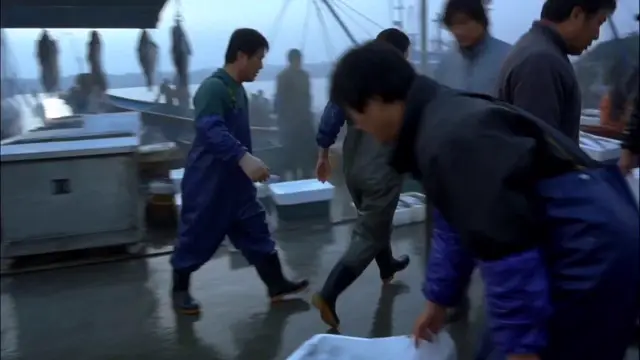
Scena documentaristica d'archivio del cambio turno in una fabbrica tessile di Shanghai nel 1990, con tessitrici e filatrici che escono dal reparto
Prompt
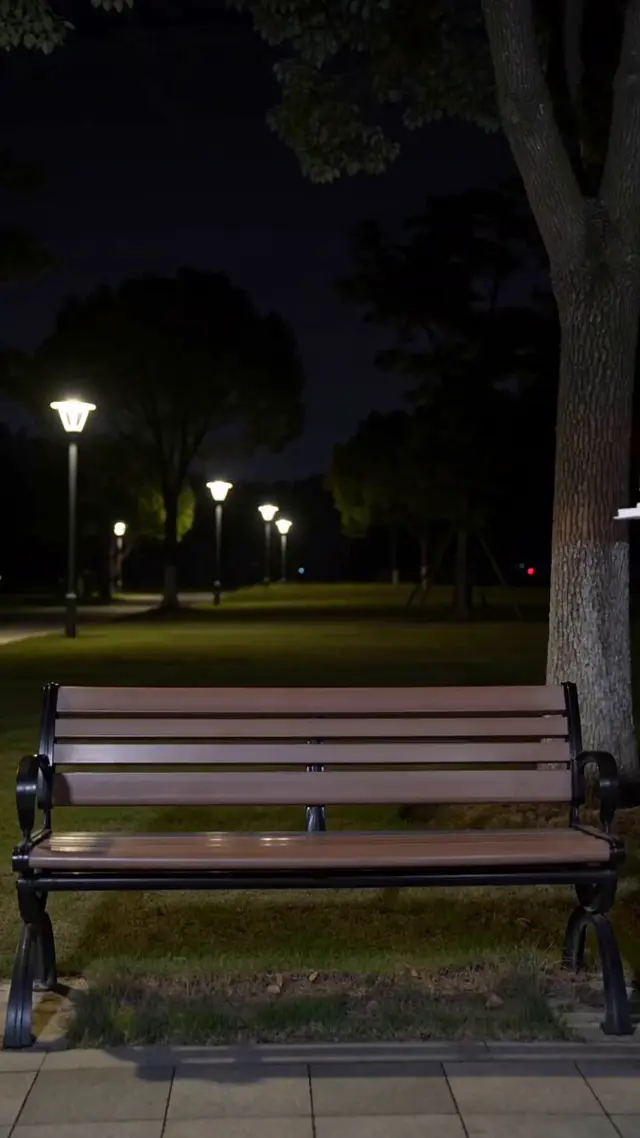
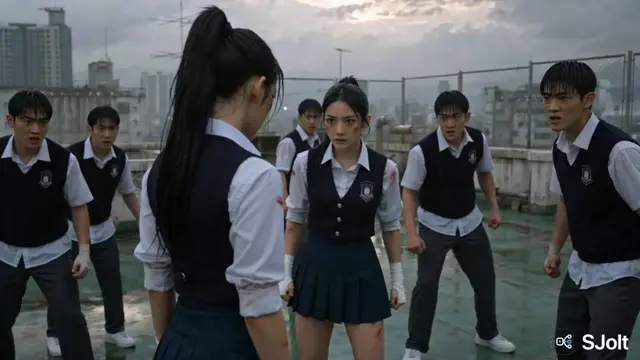
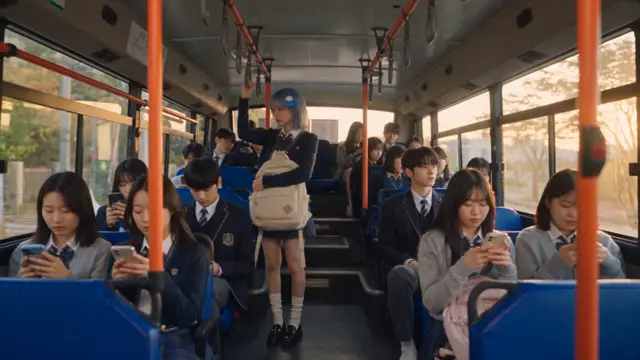
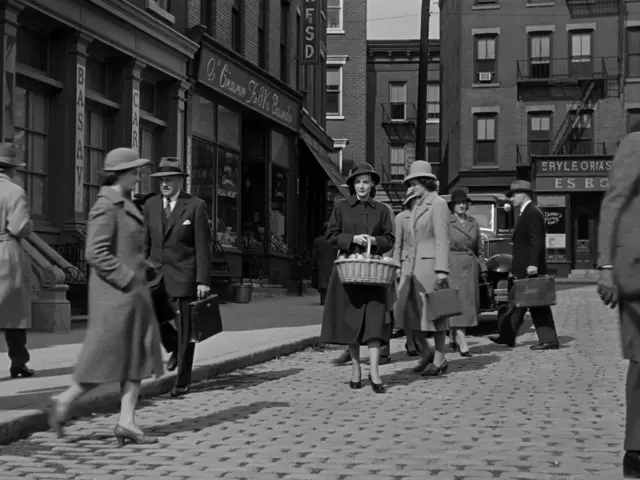
Crea una sequenza documentaristica d’archivio autentica di 15 secondi, ambientata durante il cambio turno in una fabbrica tessile statale di Shanghai, in Cina, nel 1990. Usa le immagini di riferimento come base visiva precisa, mantenendo invariati gli stessi personaggi, tratti del viso, identità, abiti, proporzioni corporee, disposizione degli spazi, edifici della fabbrica in mattoni rossi, cancelli in ferro, illuminazione, colori, biciclette, carretti a mano, attrezzature industriali e semplice atmosfera della vita in fabbrica; anima le fotografie in modo naturale. La scena si concentra sulle addette ai telai e alle filatrici, in maggioranza donne, che hanno appena terminato il turno, mentre alcuni addetti alla manutenzione e facchini si muovono tra loro. Non posano per la macchina da presa: alcune si tolgono i berretti di tela o le cuffiette per sistemarsi i capelli, scompigliati dal sudore e dai pelucchi di cotone; altre si asciugano il dorso delle mani, i polsini e i lati del collo con asciugamani bagnati; altre ancora mettono le gavette smaltate, i thermos o le borse di tela nei cestini delle biciclette; due o tre operaie sostano accanto al cancello della fabbrica, chiacchierando sottovoce mentre aspettano che le colleghe escano per tornare a casa insieme in bicicletta; altre sfogliano il registro del passaggio di consegne tra turni. I loro movimenti sono discreti, stanchi, contenuti e autentici: riflettono la rigidità delle spalle e del collo, oltre alla lieve stanchezza delle dita, dovute alle lunghe ore in piedi e al lavoro ripetitivo. Sullo sfondo, un operaio spinge lentamente un carretto a pianale carico di rotoli di stoffa attraverso il cancello della fabbrica; un addetto alla manutenzione ripone la chiave inglese e chiude la porta metallica del locale macchine; dalle finestre alte si vedono i macchinari di filatura e le pulegge ancora in lento movimento. Vicino al cancello della fabbrica, le biciclette vengono continuamente spinte o pedalate, e le ruote del carretto carico di stoffa rotolano sul pavimento di cemento; uniformi da lavoro blu scuro, tende di stoffa e cavi elettrici stesi ad asciugare ondeggiano dolcemente nella brezza serale. Ogni dettaglio — abiti, oggetti, architettura, mezzi di trasporto e lavoro — riflette fedelmente l’ambiente di una fabbrica tessile statale cinese degli anni Novanta: uniformi da lavoro blu scuro o grigie, manicotti, grembiuli, berretti di tela o cuffiette, gavette smaltate, thermos, borse di tela, biciclette antiquate, carretti metallici e un cortile della fabbrica privo di segnaletica moderna. Con riprese documentaristiche naturali, girate a intervalli di 1,5–2,5 secondi, il film osserva — nello stesso cortile della fabbrica, alla stessa ora del giorno, con la stessa illuminazione e in momenti consecutivi — piccoli gruppi di operaie, i loro volti stanchi, le dita coperte di pelucchi di cotone, gli asciugamani umidi, le gavette smaltate, i thermos, i cestini delle biciclette, i registri del passaggio di consegne tra turni, i carretti carichi di rotoli di stoffa e il flusso più ampio di biciclette che si riversa fuori dai cancelli della fabbrica a fine turno. Le riprese sono a mano, come se il cineoperatore stesse camminando lentamente attraverso i cancelli della fabbrica: movimento continuo e organico; inquadrature imperfette; lievi variazioni della messa a fuoco; occasionali sfocature di movimento e sottili cambiamenti di esposizione; osservazione diretta e rispettosa dei soggetti. Evita l’effetto di una gimbal, i movimenti di macchina drammatici, il rallentatore e l’illuminazione in stile pubblicitario. Le immagini devono sembrare autentica pellicola a colori 35mm degli anni Novanta: grana visibile, tonalità calde leggermente sbiadite, saturazione contenuta, contrasto morbido, lieve sfarfallio, texture naturale della pelle, esposizione imperfetta e occasionali granelli di polvere o graffi; non devono mai apparire digitalmente nitide, patinate, moderne o generate dall’intelligenza artificiale. Usa solo i suoni naturali sul posto: operaie che parlano sottovoce in mandarino e shanghainese, l’eco persistente della campanella di fine turno, il basso rombo dei macchinari di filatura, il rumore dei carretti carichi di stoffa, i cancelli di ferro che si aprono e si chiudono, i campanelli delle biciclette, il lieve tintinnio delle gavette smaltate, dei tappi dei thermos, i passi e la brezza serale. Niente musica, narrazione, sottotitoli o effetti sonori artificiali.
Create a 15-second authentic archival documentary-style sequence set during a shift change at a state-owned textile factory in Shanghai, China, in 1990. Use reference images as a precise visual foundation, preserving the same characters, facial features, identities, clothing, body proportions, spatial layout, red-brick factory buildings, iron gates, lighting, colors, bicycles, handcarts, industrial equipment, and the simple atmosphere of factory life; bring the photographs to life naturally. The focus of the scene is on the predominantly female textile loom operators and spinning operators who have just finished their shift, with a few male maintenance workers and porters moving among them. They are not posing for the camera: some remove their cloth caps or hairnets to tidy their hair, which has been disheveled by sweat and cotton lint; others wipe the backs of their hands, cuffs, and the sides of their necks with wet towels; still others place enamel lunchboxes, thermoses, or canvas bags into their bicycle baskets; two or three female workers stand by the factory gate, chatting quietly as they wait for their colleagues to leave together on their bicycles; others flip through the shift handover logbook. Their movements are subtle, weary, restrained, and authentic—reflecting the stiff shoulders and necks, as well as the slight fatigue in their fingers, resulting from prolonged standing and repetitive labor. In the background, a male worker slowly pushes a flat-bottomed handcart loaded with rolls of fabric through the factory gate; A maintenance worker puts away his wrench and closes the metal door to the equipment room; through the high windows, one can see the spinning machinery and pulleys still turning slowly. Near the factory gate, bicycles are constantly being pushed or ridden past, and the wheels of the fabric cart roll over the concrete floor; deep blue work uniforms, fabric curtains, and electrical wires hang out to dry, swaying gently in the evening breeze. Every detail—the clothing, objects, architecture, transportation, and labor—strictly reflects the environment of a Chinese state-owned textile factory in the 1990s: dark blue or gray work uniforms, arm sleeves, aprons, cloth caps or hairnets, enamel lunchboxes, thermoses, canvas bags, old-fashioned bicycles, metal handcarts, and a factory grounds devoid of modern signage. Using natural documentary footage shot at intervals of 1.5–2.5 seconds, the film observes—within the same factory grounds, at the same time of day, under the same lighting, and across consecutive moments—small groups of female workers, their weary faces, fingers covered in cotton lint, damp towels, enamel lunchboxes, thermoses, bicycle baskets, shift handover logs, handcarts loaded with rolls of fabric, and the wider tide of bicycles streaming out of the factory gates at the end of the shift. The shots are handheld, as if the cinematographer were walking slowly through the factory gates: continuous, organic movement; imperfect framing; slight focus breathing; occasional motion blur and subtle changes in exposure; a direct, respectful observation of the subjects. Avoid the look of a gimbal, dramatic camera movements, slow motion, or commercial-style lighting. The imagery must resemble authentic 1990s 35mm color film: visible grain, slightly faded warm tones, restrained saturation, soft contrast, subtle flicker, natural skin textures, imperfect exposure, and occasional dust or scratches; it must never appear digitally sharpened, glossy, modern, or AI-generated. Use only natural on-site sound: female workers speaking in hushed tones in Mandarin and Shanghainese, the lingering echo of the end-of-shift bell, the low rumble of spinning machinery, the rumbling of fabric carts, the opening and closing of iron gates, bicycle bells, the gentle clinking of enamel lunchboxes, thermos stoppers, footsteps, and the evening breeze. No music, no narration, no subtitles, and no artificial sound effects.
I diritti su questo prompt appartengono all'autore @ou_zhen599. Dell'uso commerciale — promozione di strumenti IA, aggregatori, bot Telegram — rispondi tu: mozgi.io non si assume alcuna responsabilità. Dettagli →