mozgi
Seedance 2.0
Un modello di volo FPV continuo e ad alta velocità di 15 secondi attraverso tre luoghi reali, passando tra archi e aperture
Prompt
Un'unica ripresa continua ad alta velocità con drone FPV, un solo piano senza stacchi, 15 secondi, 16:9. Tutte e tre le immagini di riferimento mostrano luoghi reali: preservane esattamente l'architettura, la geometria, i materiali, i colori e l'illuminazione così come appaiono; non riprogettare né modificare alcuna struttura. La camera è un aggressivo drone da corsa FPV grandangolare, con un leggero e naturale tremolio dovuto al movimento; mantiene una velocità elevata e costante in avanti per tutta la ripresa, senza accelerazioni né rallentamenti.

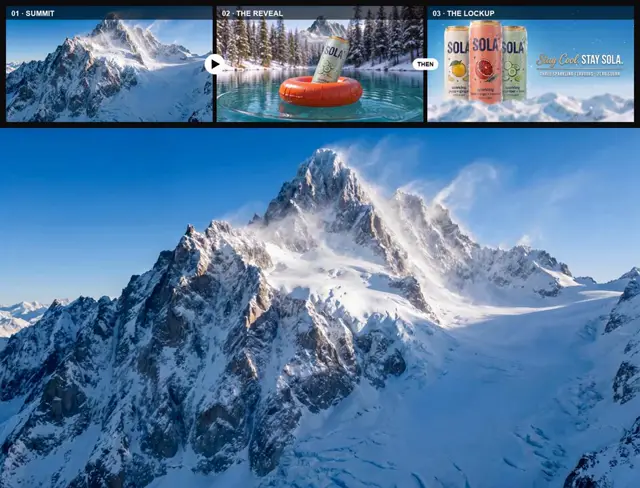
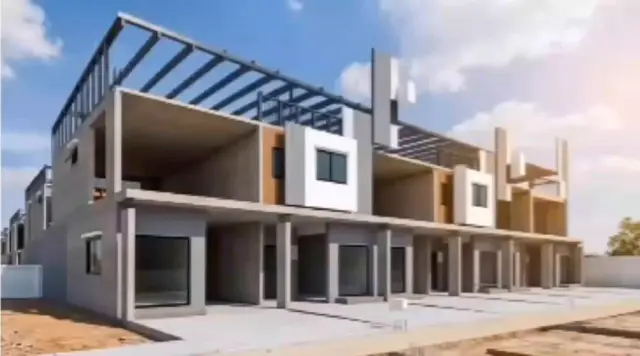
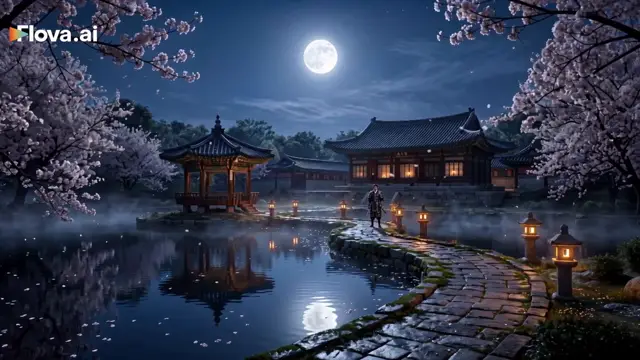
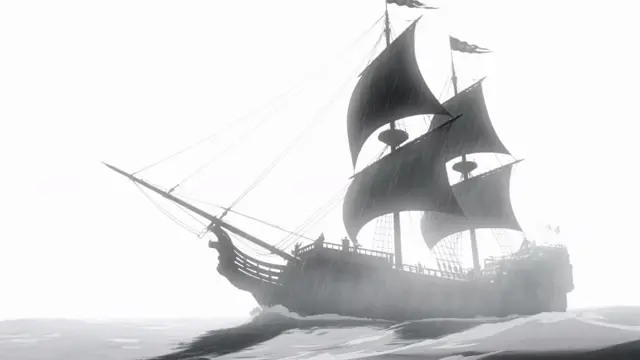
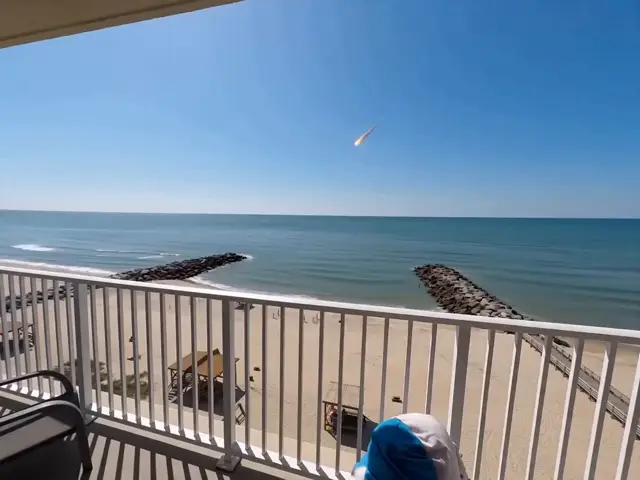
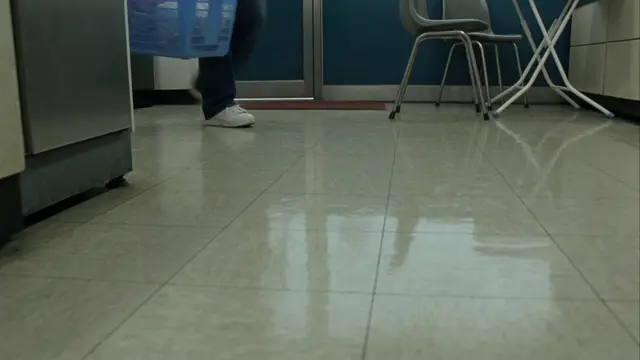
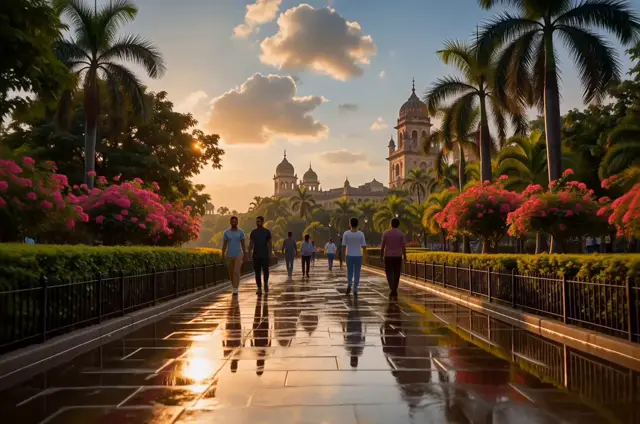
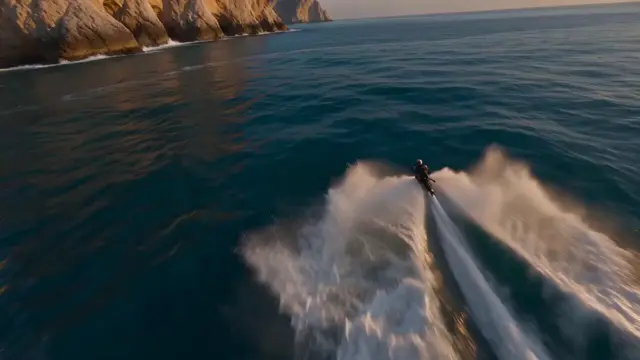
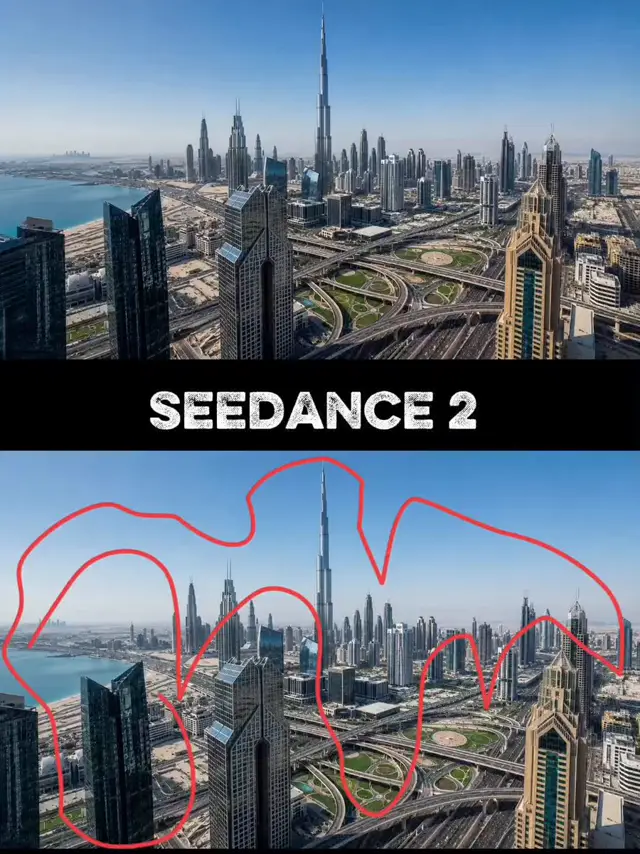
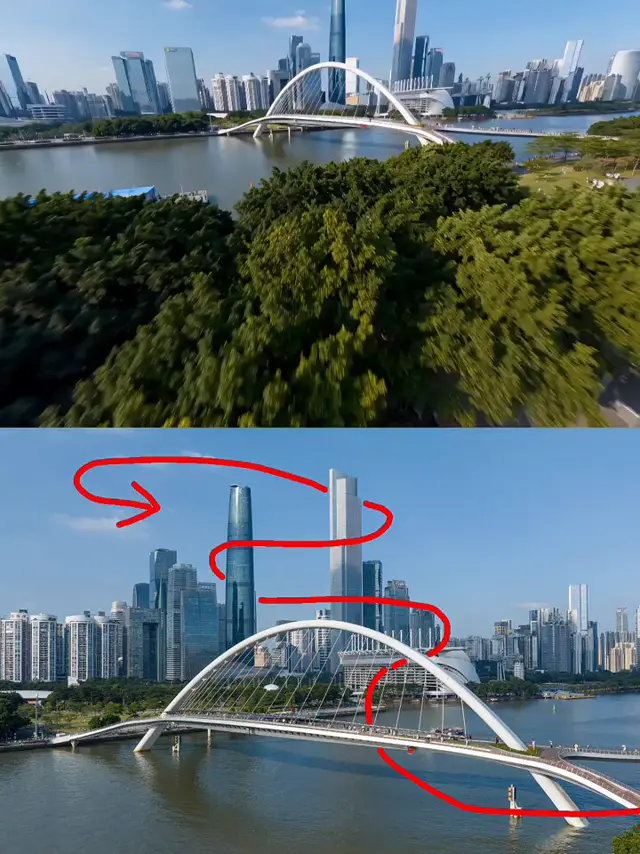
La ripresa si apre sfiorando a pochi centimetri [SUPERFICIE BASSA IN PRIMO PIANO: acqua, sabbia, tetti, strada, erba] nell'immagine di riferimento @/Image 1, sfrecciando verso [STRUTTURA PRINCIPALE], poi cabra bruscamente e attraversa a tutta velocità [APERTURA STRETTA: arco, ingresso, varco, colonnato, imbocco del canyon]. Una volta fuori, la camera irrompe nella [CONDIZIONE DI ILLUMINAZIONE] dell'immagine di riferimento @/Image 2, inclinandosi bruscamente a destra con un arco basso sopra [SPAZIO APERTO: piazza, campo, cortile, acqua] e serpeggiando tra [ELEMENTI VERTICALI A COPPIE : torri, guglie, ciminiere, ammassi rocciosi, alberi], mentre [PUNTO DI RIFERIMENTO SECONDARIO] le sfreccia accanto sulla destra. La camera sale quindi ripidamente lungo il [TERRENO ELEVATO] dell'immagine di riferimento @/Image 3, compie un'unica spirale attorno alla [CARATTERISTICA DELLA CIMA / VETTA] nella [CONDIZIONE DI ILLUMINAZIONE], poi supera il bordo più lontano e si inclina in avanti, rivelando [AMPIO PANORAMA SOTTOSTANTE].

Ogni segmento mantiene l'illuminazione esatta della propria immagine di riferimento; le transizioni sono nascoste durante il passaggio attraverso l'apertura, lo slalom tra gli elementi verticali, il superamento della cresta e la picchiata. Solo audio diegetico: vento impetuoso, [LIVELLO AMBIENTALE 1], [LIVELLO AMBIENTALE 2], [DETTAGLIO LONTANO E DEBOLE] alla fine. Fotorealistico, fisica del mondo reale, nessun drone visibile, nessuna trasformazione o architettura deformata, nessun testo, nessuna filigrana.
A single continuous high-speed FPV drone shot, one unbroken take with no cuts, 15 seconds, 16:9. All three reference images show real locations, preserve their architecture, geometry, materials, colors and lighting exactly as shown, do not redesign or alter any structure. The camera is an aggressive wide-angle FPV racing drone with subtle natural motion shake, holding constant high forward velocity the entire time, no speed ramps, no slow motion.

The shot opens skimming centimeters above [LOW FOREGROUND SURFACE: water, sand, rooftops, road, grass] in reference @/Image 1, racing toward [PRIMARY STRUCTURE], pulling up sharply and threading through [NARROW APERTURE: arch, gateway, gap, colonnade, canyon mouth] at full speed. Exiting, the camera bursts into the [LIGHTING CONDITION] of reference @/Image 2, banking hard right in a low arc across [OPEN GROUND: plaza, field, courtyard, water] and weaving between [PAIRED VERTICAL ELEMENTS : towers, spires, chimneys, rock stacks, trees], with [SECONDARY LANDMARK] sweeping past on the right. The camera then climbs steeply up [ELEVATED TERRAIN] of reference @/Image 3, spiraling once around [HILLTOP / SUMMIT FEATURE] in [LIGHTING CONDITION], before nosing over the far edge to reveal [WIDE PANORAMA BELOW].

Each segment keeps the exact lighting of its own reference image, with transitions hidden inside the aperture pass, the vertical weave, the crest and the dive. Audio is diegetic only: rushing wind, [AMBIENT LAYER 1], [AMBIENT LAYER 2], [FAINT DISTANT DETAIL] at the end. Photorealistic, real-world physics, no visible drone, no morphing or warped architecture, no text, no watermarks.
I diritti su questo prompt appartengono all'autore @madpencil_. Dell'uso commerciale — promozione di strumenti IA, aggregatori, bot Telegram — rispondi tu: mozgi.io non si assume alcuna responsabilità. Dettagli →