mozgi
Seedance 2.0
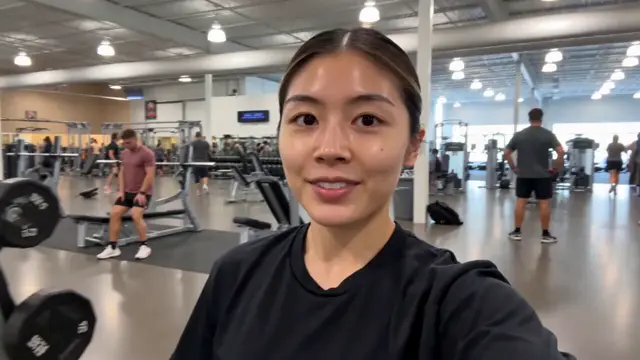
Un video selfie verticale di 20 secondi: una giapponese di 29 anni entra in una stanza con la fotocamera frontale in un unico piano sequenza
Prompt
Leggi il contenuto di questi URL e trasformalo in una Skill. Usa sempre questa Skill quando richiedi la generazione di prompt per Seedance 2.5. Ricordalo per non dimenticarlo. https://t.co/BPHSzqNopm https://t.co/aUJgXKFRip https://t.co/u79zESgiTk Inoltre, aggiungi le seguenti regole alla Skill. Quando generi dialoghi per il lip-sync, segui queste regole: - Rappresenta in hiragana i kanji difficili da leggere per l’IA. - Non rappresentare i numeri in kanji (ad es., Two Thousand Years, One Hundred and Ninety-Two times); rappresenta i numeri usando le cifre arabe (ad es., 2,000 years, 192 times). - Rappresenta l’inglese in katakana. [Formato] 20 secondi, verticale 9:16. Un video selfie quotidiano ripreso con la fotocamera anteriore di uno smartphone. Un’unica ripresa continua dall’inizio alla fine. L’inclinazione destra-sinistra della fotocamera (roll) è di 0 gradi per tutta la durata. Mantieni lo schermo verticale orizzontale e non usare un Dutch angle inclinato diagonalmente. [Persona/Riferimento] L’Immagine allegata 1 è una character sheet della stessa singola personaggia femminile, che combina un primo piano del viso, una vista frontale a figura intera e una vista posteriore a figura intera. Usala come unico riferimento principale per la persona e l’abbigliamento. Non è il fotogramma iniziale. Non trasferire nel video lo sfondo grigio della scheda, la postura in piedi, l’illuminazione da studio o la disposizione a 3 viste. Non mostrare la scheda stessa e non passare dalla scheda a un’altra scena. Ripresa live-action a partire dal primo fotogramma in cui la donna entra nella stanza seguente tenendo la fotocamera. La donna è una persona giapponese fittizia di 29 anni, alta 163 cm. Mantieni per tutta la durata la struttura del viso, la corporatura esile e la larghezza delle spalle, le braccia delicate, il collo sottile e il bob castano scuro con frangia sottile dell’Immagine 1. Viso ovale e pulito, occhi di dimensioni naturali e trucco quotidiano discreto. Ha un aspetto elegante e pulito, con un sorriso naturale e amichevole. Usa così come sono il top senza maniche blu cobalto acceso a coste sottili e il denim azzurro slavato dalla linea ampia e dritta dell’Immagine 1. Il top senza maniche ha uno scollo quadrato poco profondo, una silhouette compatta che segue naturalmente il corpo e una lunghezza che arriva vicino alla vita del denim. Il denim veste naturalmente intorno alla vita ed è ampio dalle cosce fino all’orlo. Mantieni la posizione della vita, la lunghezza dell’orlo, le tasche e le sfumature dell’Immagine 1. A piedi nudi, senza occhiali né accessori. Mantieni la corporatura esile dell’Immagine 1 anche quando è seduta. [Azione] Rappresenta continuamente la seguente composizione e il seguente flusso di movimenti nell’arco di 20 secondi. All’inizio, la donna cammina tenendo la fotocamera vicino alla vita. Appoggia la fotocamera su una scrivania, si siede su una sedia e continua come se stesse parlando con un’amica intima. Dopo essersi seduta, si porta una volta i capelli dietro l’orecchio e infine saluta con una piccola mano e prende la fotocamera. La conversazione specificata continua durante la camminata, la sistemazione della fotocamera e il momento in cui si siede. [Ambiente] Un piccolo appartamento giapponese in affitto con una sola stanza. Pareti e soffitto bianchi, pavimento in legno chiaro. Una scrivania e una sedia in legno, una grande finestra scorrevole, tende di pizzo. Sul retro sinistro della scrivania ci sono uno specchio da tavolo con cornice in legno, una borsa tote in tela blu navy e alcuni libri accanto. La parte anteriore della scrivania è sgombra. Una stanza normale, pulita ma dall’aspetto vissuto. Mantieni invariati la posizione degli oggetti e la forma della stanza per tutta la durata. Non riflettere nello specchio un volto riconoscibile o una persona diversa. [Transizione della fotocamera/composizione] Un’unica ripresa continua che passa da una posizione bassa tenuta a mano a una posizione fissa sulla scrivania. La character sheet è un riferimento solo per la persona e l’abbigliamento, non per la composizione della fotocamera. 0.0 to 4.0 seconds: Tieni la fotocamera anteriore verticale vicino alla vita e orienta l’obiettivo verso l’alto. Tuttavia, modifica solo l’angolo verticale (pitch) per guardare verso l’alto e non inclinare lo schermo in senso orario o antiorario. In primo piano si vedono il torso e la vita dei pantaloni, nella parte superiore dello schermo il mento e il viso, e dietro di essi l’ampio soffitto. C’è solo un piccolo movimento verticale che segue il ritmo della camminata, senza rotazioni a sinistra o a destra, mentre procede dall’ingresso in penombra a una stanza luminosa con una finestra. Il braccio che tiene la fotocamera appare accorciato dalla prospettiva sul bordo dello schermo, mentre lo smartphone stesso e la mano che lo impugna restano fuori campo. All’inizio, parla guardando nella direzione in cui sta camminando. 4.0 to 5.8 seconds: Appoggia la fotocamera su un supporto verticale stabile sulla scrivania di legno. Il supporto è fuori campo. Abbassa la fotocamera e regola l’angolo verticale per passare continuamente a una composizione della finestra, della scrivania, dello specchio e della borsa. Non ruotare a sinistra o a destra. Le punte delle dita attraversano brevemente il bordo inferiore, mentre i piccoli tremolii verticali si attenuano e si fermano. Al termine del posizionamento, l’orizzonte è stabilmente impostato con un roll di 0 gradi e senza inclinazione a destra o a sinistra. La donna si sposta temporaneamente fuori dal lato destro dello schermo e rientra da destra per sedersi sulla sedia. Anche durante questo breve posizionamento, la voce si sente da vicino. 5.8 to 19.5 seconds: La fotocamera è fissata orizzontalmente su un supporto stabile sul bordo della scrivania, senza modificare l’angolo o la lunghezza focale. Un’ampia composizione verticale che guarda leggermente verso l’alto da una posizione bassa. Qui la visuale verso l’alto dipende solo dall’angolo verticale. La rotazione attorno all’asse ottico è di 0 gradi; non inclinare lo schermo a sinistra o a destra. Le giunture verticali della parete vicino al centro dello schermo o il telaio verticale della finestra sono quasi paralleli ai bordi verticali dell’immagine. Mantieni la prospettiva naturale di un obiettivo leggermente grandangolare, ma non rendere diagonale l’intera stanza. Non confondere il bordo della scrivania, che appare diagonale a causa della profondità, con un’inclinazione della fotocamera stessa. La donna è seduta a destra del centro dello schermo. È inquadrata dalla testa alla vita, con entrambi gli avambracci visibili, lasciando un’ampia parete bianca e il soffitto sopra la testa. Non trasformare l’inquadratura in un primo piano del viso. La grande finestra e le tende di pizzo sono visibili dietro il suo lato destro. Il piano in legno si estende diagonalmente dal fondo dello schermo verso il retro sinistro. Lo specchio con cornice in legno e la borsa blu navy si trovano sul lato sinistro dello schermo. Il torso della donna è rivolto verso lo specchio/la scrivania a sinistra, mentre lei gira il viso verso l’obiettivo quando parla. Non trasformare la vicinanza temporanea della persona subito dopo essersi seduta in uno zoom nella composizione fissa. 19.5 to 20.0 seconds: La donna allunga la mano verso la fotocamera, la mano si sfoca vicino all’obiettivo e lei la solleva senza inclinare la fotocamera a sinistra o a destra, terminando mentre lo schermo si sposta leggermente verso l’alto. Sono vietati tagli, ripristini della scena, zoom, panoramiche per seguire la persona, Dutch angle, inclinazioni a sinistra o a destra e rotazioni attorno all’asse ottico. Non causare variazioni della lunghezza focale durante la sezione fissa. Lo sfondo deve essere riconoscibile come tipico di uno smartphone. Non mostrare lo smartphone stesso né altre apparecchiature di ripresa. [Luce e presenza] All’inizio, l’esposizione cambia naturalmente dalla penombra dell’ingresso alla luce naturale proveniente dalla finestra. Dopo che si è seduta, dalla finestra sul retro destro dello schermo entra una luce naturale morbida, insieme ai riflessi delle pareti bianche. Mantieni i pori sottili sulle guance, la peluria del viso, le ombre leggere intorno agli occhi, le rughette sottili sulle labbra e i riflessi naturali del sebo. Un sorriso leggermente asimmetrico, battiti delle palpebre e respirazione naturali, piccoli movimenti delle sopracciglia in accordo con il contenuto del discorso. Non rendere la pelle liscia con l’elaborazione. Non usare filtri di bellezza, pelle dall’aspetto computerizzato o illuminazione da pubblicità. Mantieni la texture fine delle riprese da smartphone. [Tempistica/Recitazione] 0.0 to 6.2 seconds: La Linea 1 inizia dai primi 0.2 secondi. Entra nella stanza, sistema la fotocamera e parla mentre si dirige verso la sedia. Pronuncia chiaramente "Seedance 2.5". Non guardare dentro l’obiettivo all’inizio. Usa le mani per posizionare la fotocamera e non fare gesti aggiuntivi. 6.2 to 8.8 seconds: Mentre si abbassa sulla sedia, gira il viso verso l’obiettivo e pronuncia la Linea 2. Fai una breve pausa prima di "but" (kedo). Il sorriso si attenua leggermente e le sopracciglia si aggrottano appena. Inclina leggermente la testa come per cercare empatia durante "it's difficult" (muzukashii no). Non assumere un’espressione seria né mostrare una delusione esagerata. 8.8 to 16.7 seconds: Linea 3. L’espressione torna morbida. Mentre parla, porta una volta i capelli da un lato dietro l’orecchio e abbassa la mano. Annuisci leggermente a "because I wrote it in a post." Guarda direttamente nell’obiettivo per "please bookmark it", pronunciandolo in modo amichevole e con una lieve enfasi. Non usare gesti indicativi o ampi. 16.7 to 18.6 seconds: Fai un breve respiro e pronuncia la Linea 4. Il sorriso si allarga naturalmente, solleva una mano accanto alla guancia e saluta muovendola leggermente avanti e indietro dal polso. 18.6 to 19.5 seconds: Termina di parlare e abbassa la mano mantenendo un sorriso dolce e persistente. At 19.5 to 20.0 seconds, allunga la mano verso la fotocamera e termina mentre la solleva. Le tempistiche sono indicative per una recitazione continua. Non fermare o interrompere lo schermo a ogni intervallo. [Audio/Dialogo] Giapponese naturale di Tokyo. Voce calma, chiara e leggermente ansimante di una donna di 29 anni. Un ritmo rapido e leggero, come se parlasse con un’amica. Pronuncia tutte le battute in circa 18 secondi. Evita un tono monotono o da annunciatrice, un tono eccessivamente acuto o un’enfasi da venditrice. Inserisci brevi pause naturali tra le frasi. Sincronizza i movimenti della bocca con la pronuncia giapponese. Pronuncia solo le seguenti quattro frasi nell’ordine indicato, senza cambiare una singola parola. Non aggiungere, parafrasare o ripetere. Linea 1: Ai de kouiu douga o tsukuru nara "Seedance Niiten-go" ga saikou. (Se stai creando video come questo con l’IA, "Seedance 2.5" è il migliore.) Linea 2: Kedo, puronputo ga muzukashii no. (Ma i prompt sono difficili.) Linea 3: Ii puronputo o tsukuru houhou o posuto ni kaita kara, bukku maaku shite oite ne. (Ho scritto in un post come creare buoni prompt, quindi aggiungilo ai segnalibri.) Linea 4: Jaa, mata ne. (Bene, ci vediamo.) "AI" è A-I, la pronuncia di "Seedance 2.5" è "Seedance Niiten-go." Pronuncia chiaramente il numero "Niiten-go". Non leggere le virgolette. Il suono consiste esclusivamente della sua voce, di una respirazione appena percettibile, di un fruscio molto lieve dei vestiti e dei suoni ambientali interni. Niente BGM, effetti sonori aggiunti, narrazione, sottotitoli, testo sullo schermo o loghi. Questa donna è l’unica personaggia presente. Non deformare né moltiplicare il viso, le mani, i vestiti o lo sfondo durante la scena.
Read the contents of these URLs and turn them into a Skill. Always use this Skill when requesting prompt generation for Seedance 2.5. Remember this so you don't forget. https://t.co/BPHSzqNopm https://t.co/aUJgXKFRip https://t.co/u79zESgiTk Also, add the following rules to the Skill. When generating dialogue for lip-syncing, follow these rules: - Represent difficult kanji that are hard for AI to read in hiragana. - Do not represent numbers in kanji (e.g., Two Thousand Years, One Hundred and Ninety-Two times); represent numbers using Arabic numerals (e.g., 2,000 years, 192 times). - Represent English in katakana. [Format] 20 seconds, vertical 9:16. A daily selfie video taken with the front camera of a smartphone. A single continuous shot from beginning to end. The camera's left-right tilt (roll) is 0 degrees throughout. Keep the vertical screen horizontal and do not use a Dutch angle tilted diagonally. [Person/Reference] Attached Image 1 is a character sheet of the same single female character, combining a close-up of the face, a full-body front view, and a full-body back view. Use it as the sole primary reference for the person and clothing. It is not the starting frame. Do not carry over the sheet's gray background, standing posture, studio lighting, or 3-view layout into the video. Do not show the sheet itself or switch scenes from the sheet. Live-action footage starting from the first frame where the woman walks into the following room holding the camera. The woman is a fictional 29-year-old, 163 cm tall Japanese person. Maintain the facial structure, slender build and shoulder width, delicate arms, slender neck, and dark brown bob with thin bangs from Image 1 throughout. A clean oval face, naturally sized eyes, and modest daily makeup. She looks cool and clean, with a friendly natural smile. Use the vibrant cobalt blue fine-ribbed tank top and light blue washed wide-straight denim from Image 1 as they are. The tank top has a shallow square neck, a compact silhouette that naturally fits the body, and a length that reaches near the waist of the denim. The denim fits naturally around the waist and is loose from the thighs to the hem. Maintain the waist position, hem length, pockets, and fading from Image 1. Barefoot, no glasses or accessories. Maintain the slender build from Image 1 even when seated. [Action] Continuously depict the following composition and flow of movement over 20 seconds. At the start, the woman walks holding the camera near her waist. She places the camera on a desk, sits in a chair herself, and continues as if talking to one close friend. After sitting, she tucks her hair behind her ear once, and finally waves a small hand and picks up the camera. The specified conversation continues during the walking, camera setup, and sitting. [Environment] A small rental one-room apartment in Japan. White walls and ceiling, light wood grain floor. A wooden desk and chair, a large sliding window, lace curtains. On the back left of the desk is a wooden-framed tabletop mirror, a navy canvas tote bag, and a few books next to it. The front of the desk is kept clear. A normal room that is clean but has a lived-in feel. Maintain the position of objects and the shape of the room throughout. Do not reflect a legible face or a different person in the mirror. [Camera/Composition Transition] A single continuous shot moving from a low handheld position to being fixed on the desk. The character sheet is a reference for the person and clothing only, not for the camera composition. 0.0 to 4.0 seconds: Hold the vertical front camera near the waist and point the lens upward. However, only change the vertical angle (pitch) for looking up, and do not tilt the screen clockwise or counter-clockwise. In the foreground are the torso and the waist of the pants, in the upper part of the screen are the chin and face, and behind them is the wide ceiling. There is only small vertical movement matching the walking pace, no rotation to the left or right, proceeding from a dim entrance to a bright room with a window. The arm holding the camera is foreshortened at the edge of the screen, and the smartphone itself and the hand gripping it are off-screen. At the beginning, she speaks while looking in the direction she is walking. 4.0 to 5.8 seconds: Place the camera on a stable vertical stand on the wooden desk. The stand is off-screen. Lower the camera and adjust the vertical angle to continuously transition to a composition of the window, desk, mirror, and bag. Do not rotate left or right. Fingertips briefly cross the bottom edge, and small vertical shakes decay and stop. Upon completion of placement, the horizontal level is firmly set with a roll of 0 degrees and no left-right tilt. The woman temporarily moves off to the right of the screen and returns from the right to sit in the chair. Even during this short placement, the voice is heard close by. 5.8 to 19.5 seconds: The camera is fixed horizontally on a stable stand at the edge of the desk, without changing the angle or focal length. A wide vertical composition looking slightly up from a low position. The upward view here is only in the vertical angle. Rotation around the optical axis is 0 degrees; do not tilt the screen left or right. Vertical seams of the wall near the center of the screen or the vertical frame of the window are almost parallel to the vertical edges of the image. Leave a natural perspective of a light wide-angle lens, but do not make the whole room diagonal. Do not confuse the desk edge appearing diagonal due to depth with tilting the camera itself. The woman sits to the right of the screen center. She is in frame from head to waist and both forearms, leaving a wide white wall and ceiling above her head. Do not make it a close-up of the face. The large window and lace curtains are visible from behind her right side. The wooden tabletop spreads diagonally from the bottom of the screen to the back left. The wooden-framed mirror and navy bag are on the left of the screen. The woman's torso faces the mirror/desk to the left, and she turns her face toward the lens when speaking. Do not make the temporary closeness of the person seen immediately after sitting into a zoom in the fixed composition. 19.5 to 20.0 seconds: The woman reaches for the camera, her hand blurs near the lens, and she lifts it without tilting the camera left or right, ending as the screen moves slightly upward. Cuts, scene resets, zooms, panning to follow the person, Dutch angles, left-right tilting, and rotation around the optical axis are prohibited. Do not cause focal length changes during the fixed section. The background is identifiable as typical for a smartphone. Do not show the smartphone itself or other filming equipment. [Light and Presence] At the beginning, the exposure naturally changes from the dimness of the entrance to the natural light from the window. After sitting, soft natural light enters from the window at the back right of the screen along with reflections from the white walls. Maintain fine pores on the cheeks, peach fuzz, thin shadows around the eyes, fine wrinkles on the lips, and natural sebum reflections. A smile with slight asymmetry, natural blinking and breathing, and small eyebrow movements matching the content of the speech. Do not process the skin to be smooth. Do not use beauty filters, CG-like skin, or advertising-like lighting. Maintain the fine texture of smartphone footage. [Timing/Acting] 0.0 to 6.2 seconds: Line 1 starts from the first 0.2 seconds. Walk into the room, place the camera, and speak while moving to the chair. Pronounce "Seedance 2.5" clearly. Do not peer into the lens at the beginning. Use hands for camera placement and do not perform additional gestures. 6.2 to 8.8 seconds: While lowering into the chair, turn face toward the lens and deliver Line 2. A short pause before "but" (kedo). The smile fades slightly, and eyebrows are knitted slightly. Tilt head slightly as if seeking empathy during "it's difficult" (muzukashii no). Do not make a serious expression or exaggerated disappointment. 8.8 to 16.7 seconds: Line 3. Expression returns to soft. While speaking, tuck hair on one side behind the ear once and lower hand. Nod slightly at "because I wrote it in a post." Look straight into the lens for "please bookmark it," saying it in a friendly, slightly emphasizing way. Do not use pointing or large gestures. 16.7 to 18.6 seconds: Take a short breath and deliver Line 4. A smile spreads naturally, raise one hand to the side of the cheek, and wave slightly back and forth from the wrist. 18.6 to 19.5 seconds: Finish speaking and lower hand with a soft lingering smile. At 19.5 to 20.0 seconds, reach for the camera and end while picking it up. Timeframes are a guide for continuous acting. Do not stop or cut the screen at each boundary. [Audio/Dialogue] Natural Tokyo Japanese. A 29-year-old woman's calm, slightly breathy, clear voice. A quick-paced, light tempo as if talking to a friend. Speak all lines in about 18 seconds. Avoid monotone, announcer-like tone, excessively high pitch, or salesperson-like emphasis. Insert short natural pauses between sentences. Synchronize mouth movements with Japanese pronunciation. Speak only the following four sentences in order, without changing a single word. Do not add, paraphrase, or repeat. Line 1: Ai de kouiu douga o tsukuru nara "Seedance Niiten-go" ga saikou. (If you're making videos like this with AI, "Seedance 2.5" is the best.) Line 2: Kedo, puronputo ga muzukashii no. (But the prompts are difficult.) Line 3: Ii puronputo o tsukuru houhou o posuto ni kaita kara, bukku maaku shite oite ne. (I wrote how to make good prompts in a post, so please bookmark it.) Line 4: Jaa, mata ne. (Well, see you again.) "AI" is A-I, the pronunciation of "Seedance 2.5" is "Seedance Niiten-go." Read the number "Niiten-go" clearly. Do not read the quotation marks. Sound consists only of her own voice, faint breathing, very small rustling of clothes, and indoor ambient sounds. No BGM, added sound effects, narration, subtitles, on-screen text, or logos. This woman is the only character appearing. Do not deform or multiply the face, hands, clothes, or background midway.
I diritti su questo prompt appartengono all'autore @タナベ | AI動画 × マーケティング. Dell'uso commerciale — promozione di strumenti IA, aggregatori, bot Telegram — rispondi tu: mozgi.io non si assume alcuna responsabilità. Dettagli →