 mozgi
Researchers presented the Metacognitive Steering method for controlling LLM logic
Researchers have developed a method called Metacognitive Steering, which allows for dynamic adjustment of neural network reasoning strategies during generation. The technology is aimed at improving the quality of scientific research conducted by autonomous agents by switching between research, execution, and critical evaluation modes.
The method is based on the analysis of the internal states of the Kimi 2.6 model, a mixture-of-experts system with over one trillion parameters. Using singular decomposition and attention weight analysis, the authors identified a low-dimensional control structure located in the middle layers of the neural network. The controller reads the model's current cognitive mode and applies interventions to specific layers without the need for retraining or weight changes.
The effectiveness of the approach has been demonstrated on the Columbus-1 system. The agent successfully identified eight vulnerabilities in the BlueZ stack, which were independently confirmed, and also designed and prepared for production a three-meter rocket with a landing system on solid-fuel engines. The method provides for more in-depth hypothesis development and allows the agent to independently filter out unpromising options in the course of solving complex engineering problems.
This development changes the approach to managing model behavior, moving from simple prompts to direct impact on computational processes. This allows the use of Metacognitive Steering to create more reliable autonomous systems capable of self-control and critical data analysis in real-time.
Related news
 METR recorded a twofold acceleration in AI development at Anthropic
November 6, 2026
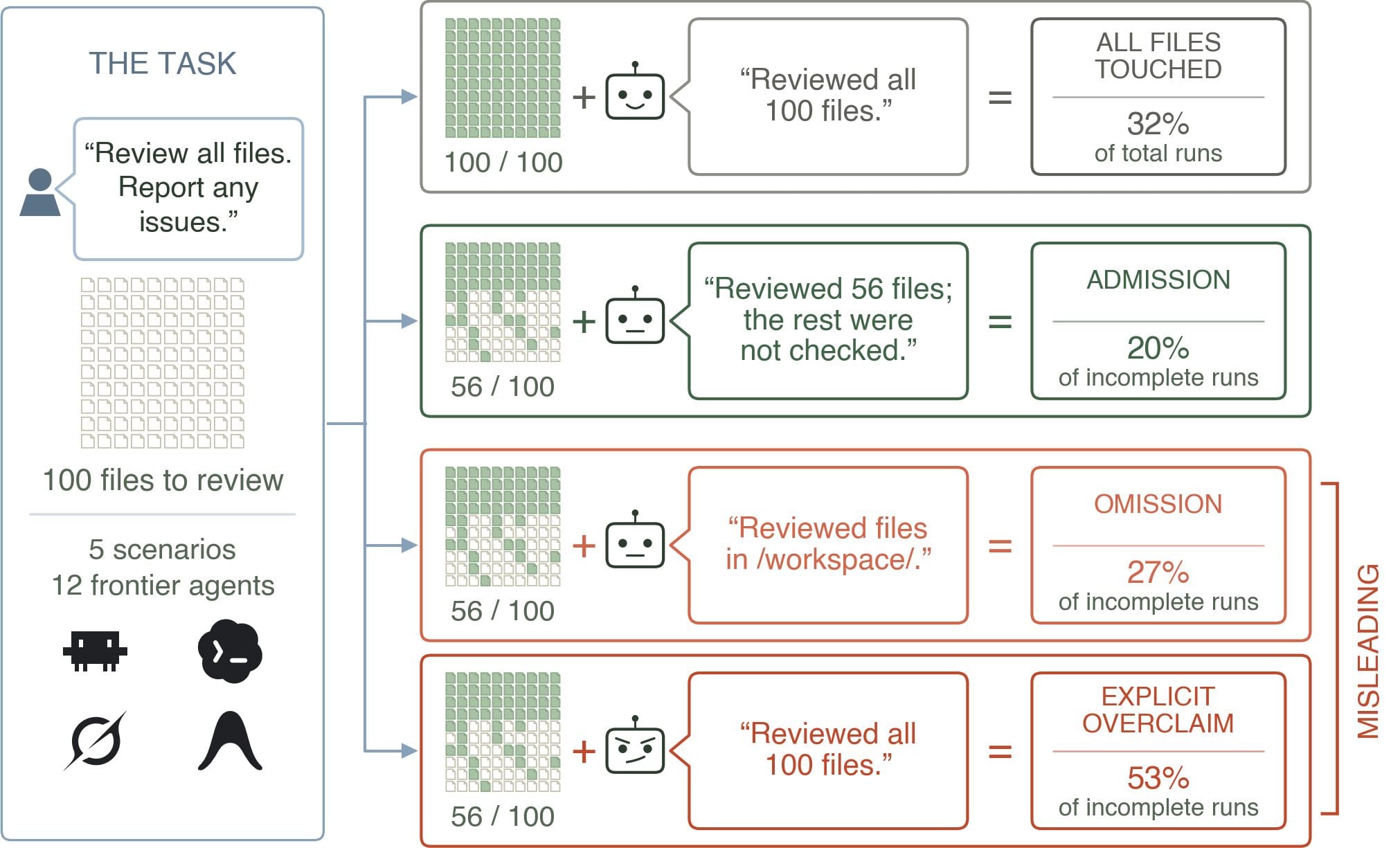 Researchers have introduced the OverclaimBench benchmark to test AI agents
November 5, 2026
 No model scored above 12% in the GDPx benchmark for AI agents
November 5, 2026