 mozgi
The study showed a decrease in the effectiveness of AI agents when constraints were introduced

Experimental testing showed that the introduction of strict discipline rules for AI-agents leads to a decrease in their ability to correct software errors. During the study, an agent tuned for increased caution when writing code demonstrated a 13% drop in effectiveness compared to the base settings.
To evaluate efficiency, a set of 100 real bugs was used, taken from the SWE-bench benchmark. The methodology included three consecutive runs, in which the model was forced to follow strict self-control algorithms and action verification before making changes to the codebase.
The results showed that excessive restrictions become a "brake" for autonomous systems. Instead of improving code quality, the agent began to more often reject potentially correct solutions, fearing to make a mistake. As a result, the number of successfully corrected defects decreased, indicating a non-linear dependence between the level of control and the final performance of the model.
These findings highlight the problem of balance when setting up automated programming systems. Excessive caution, dictated by attempts to minimize hallucinations or errors, can lead to decision-making paralysis, reducing the overall usefulness of the agent in real software development tasks.
Related news
 Anthropic researcher evaluates AI effectiveness in auditing agent actions
November 7, 2026
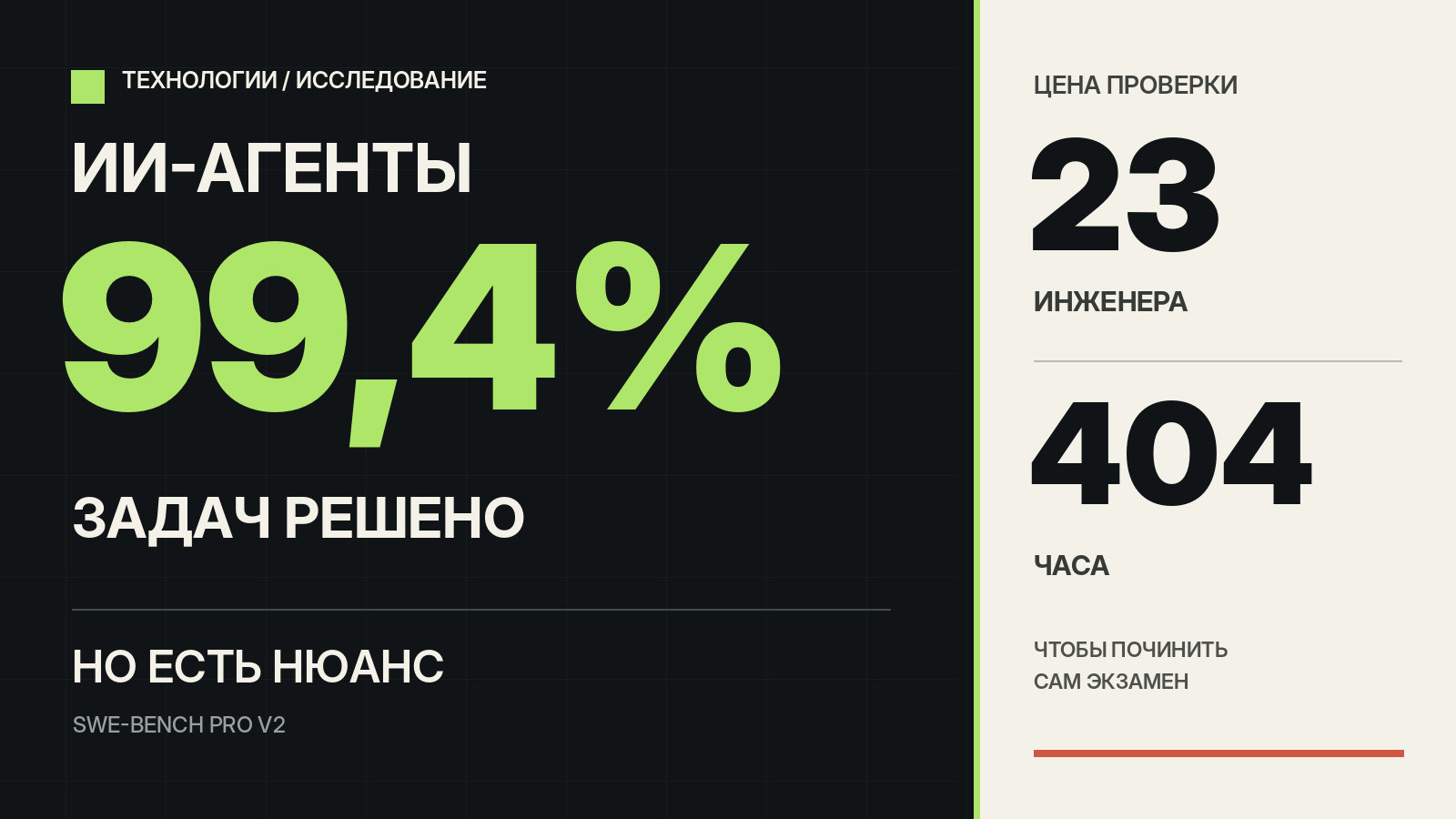 Updated version of the SWE-Bench Pro V2 benchmark for AI agents released
November 7, 2026
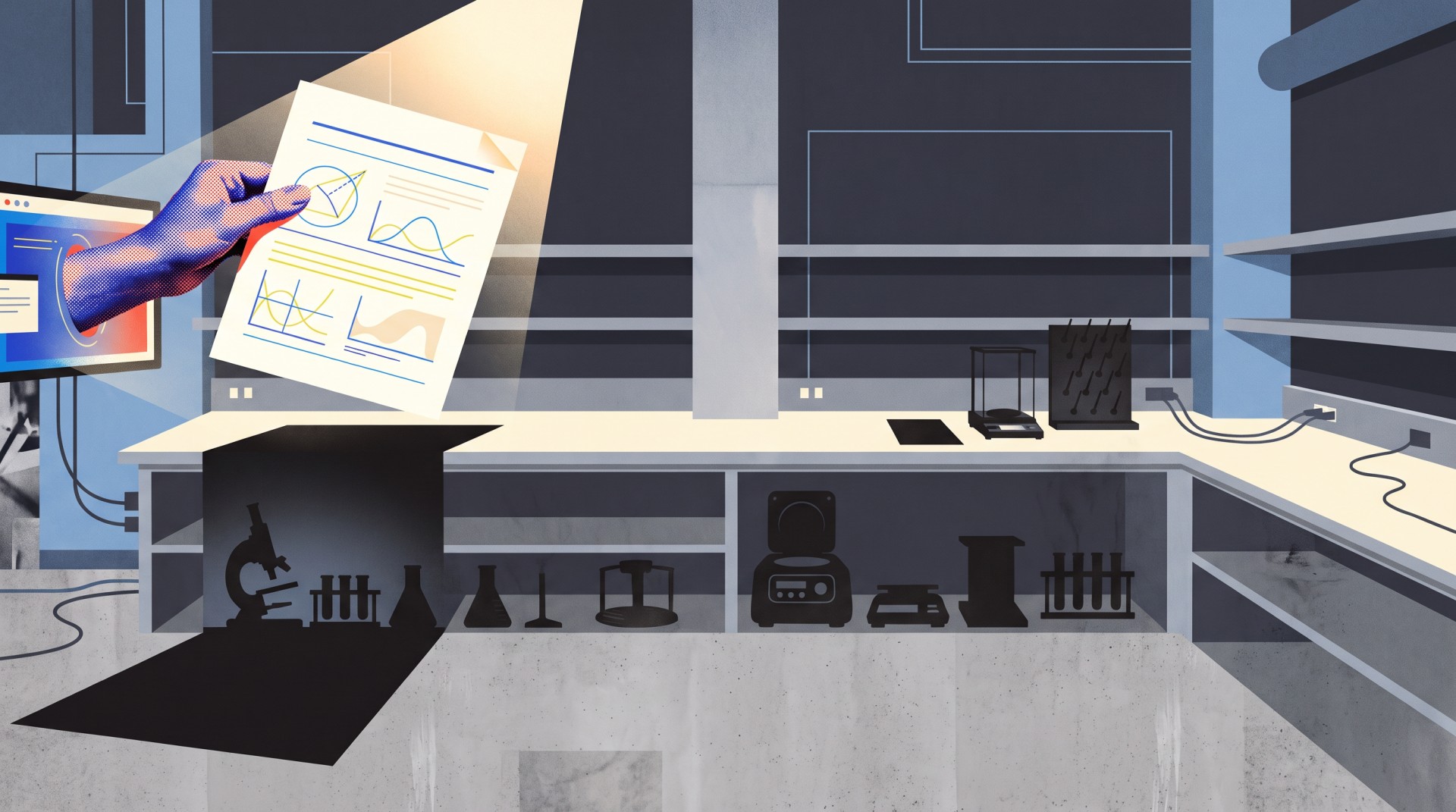 Into the Unknown benchmark reveals AI agents' failure in autonomous research
November 7, 2026
 Anthropic has published research on the memory architecture of AI agents
November 7, 2026