 mozgi
Researchers cracked the debug protection of the RP2350 microcontroller
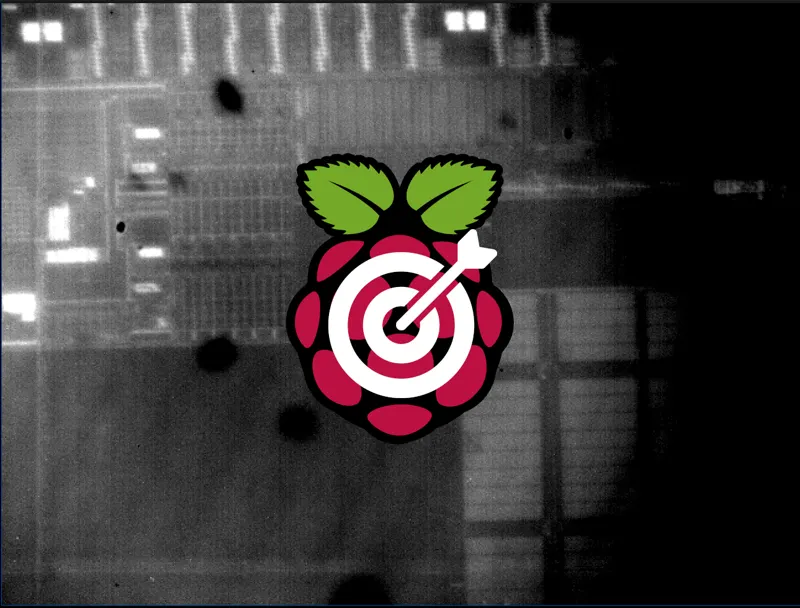
Specialists from the Ledger Donjon laboratory have demonstrated a successful bypass of the hardware protection of the RP2350 microcontroller. During the experiment, researchers were able to deactivate the permanent debug disable function, which allowed access to protected data.
To conduct the attack, the method of laser fault injection (Laser Fault Injection) was used, supplemented by photoemission microscopy. The combination of these techniques made it possible to precisely localize vulnerable areas of the crystal and introduce distortions into the command execution process. As a result, it was possible to extract the secret key stored in OTP memory (One-Time Programmable), which according to the manufacturer's specifications should be inaccessible for reading after protection activation.
The hacking process required physical access to the chip and removal of part of the housing for direct laser impact on the semiconductor structure. The use of photoemission allowed researchers to visualize the activity of logical gates in real-time, which significantly increased the accuracy of impact compared to classical fault injection methods through voltage surges.
This incident highlights critical risks for systems relying solely on hardware debug lock flags. The RP2350 vulnerability shows that even with built-in protection mechanisms, physical impact on the processor architecture remains a vector of attack that needs to be considered when designing trusted execution environments and key storage systems.
Related news
 MaxxBench reveals performance drop in language models
November 7, 2026
 Anthropic researcher evaluates AI effectiveness in auditing agent actions
November 7, 2026
 Updated version of the SWE-Bench Pro V2 benchmark for AI agents released
November 7, 2026
 Into the Unknown benchmark reveals AI agents' failure in autonomous research
November 7, 2026