 mozgi
Researchers have proposed the concept of an operating system for AI models
A group of researchers presented the concept of Foundation Model Operating System (FMOS) — a system level that should virtualize interaction with basic models. The authors of the work claim that the current fragmentation of tools and frameworks for creating agent systems hinders their scalability and security.
The proposed FMOS architecture functions similarly to virtual machines, abstracting physical resources and providing applications with access to trusted model instances. The system takes care of memory management, allocation of computational budgets, selection of a specific model for a task, and enforcement of security policies.
The internal mechanism of FMOS works on the principle of human thinking, switching between fast intuitive processing and slow logical reasoning. The system constantly adapts its policies based on accumulated operational experience, allowing for optimization of resource usage in real-time without the need to rewrite the code of each individual agent.
The authors emphasize that current protocols such as MCP or A2A only solve the problem of tool connectivity, but do not provide a unified execution environment. The introduction of such a virtualization layer will make agent behavior portable across different infrastructures, eliminating the dependence on specific runtime implementations in each individual framework.
The work is published under the CC BY-NC-ND 4.0 license. The proposed architecture is aimed at standardizing knowledge and resource management in complex agent systems, which today are forced to duplicate basic services at the level of each application.
Related news
 Anthropic researcher evaluates AI effectiveness in auditing agent actions
November 7, 2026
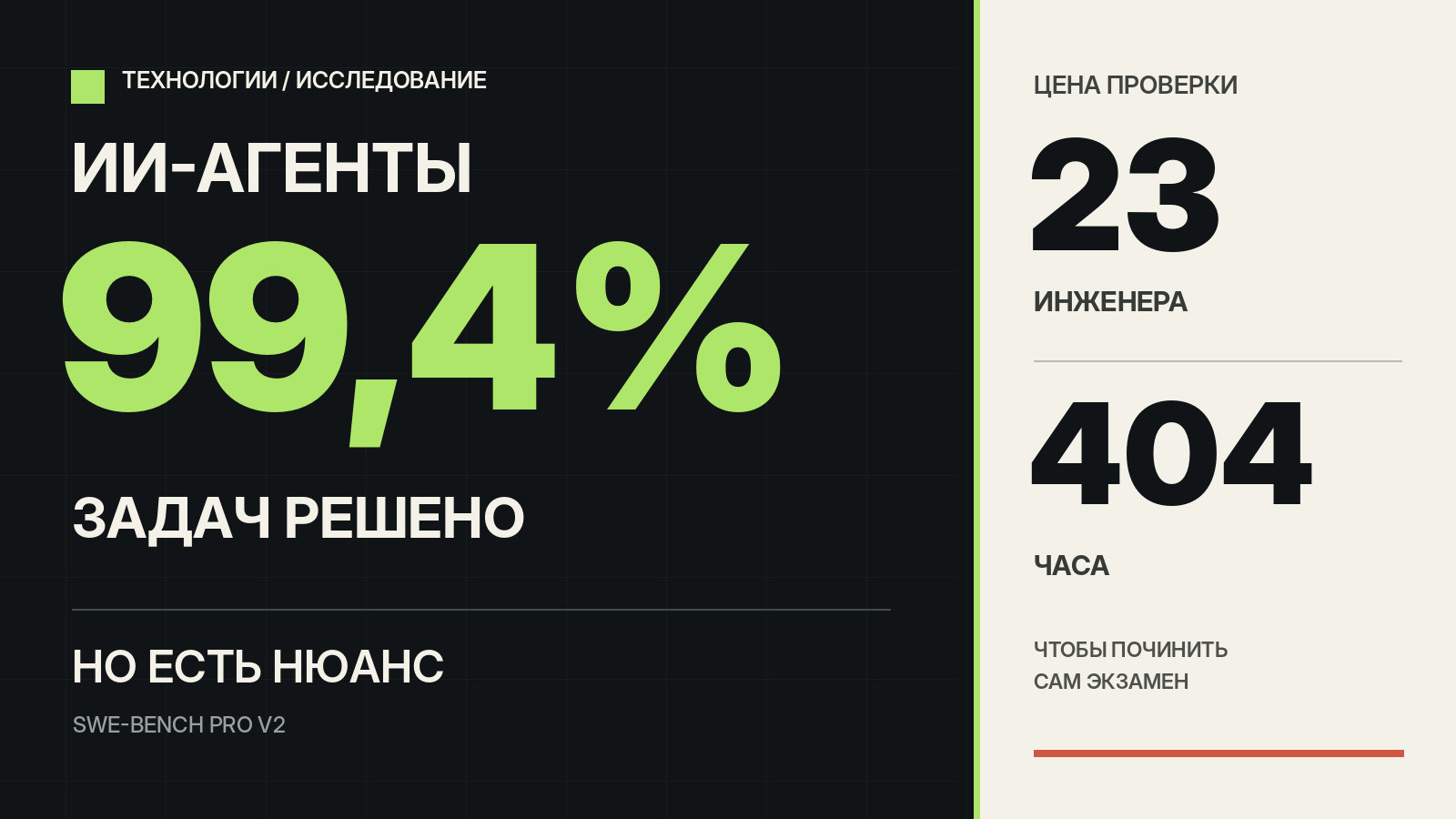 Updated version of the SWE-Bench Pro V2 benchmark for AI agents released
November 7, 2026
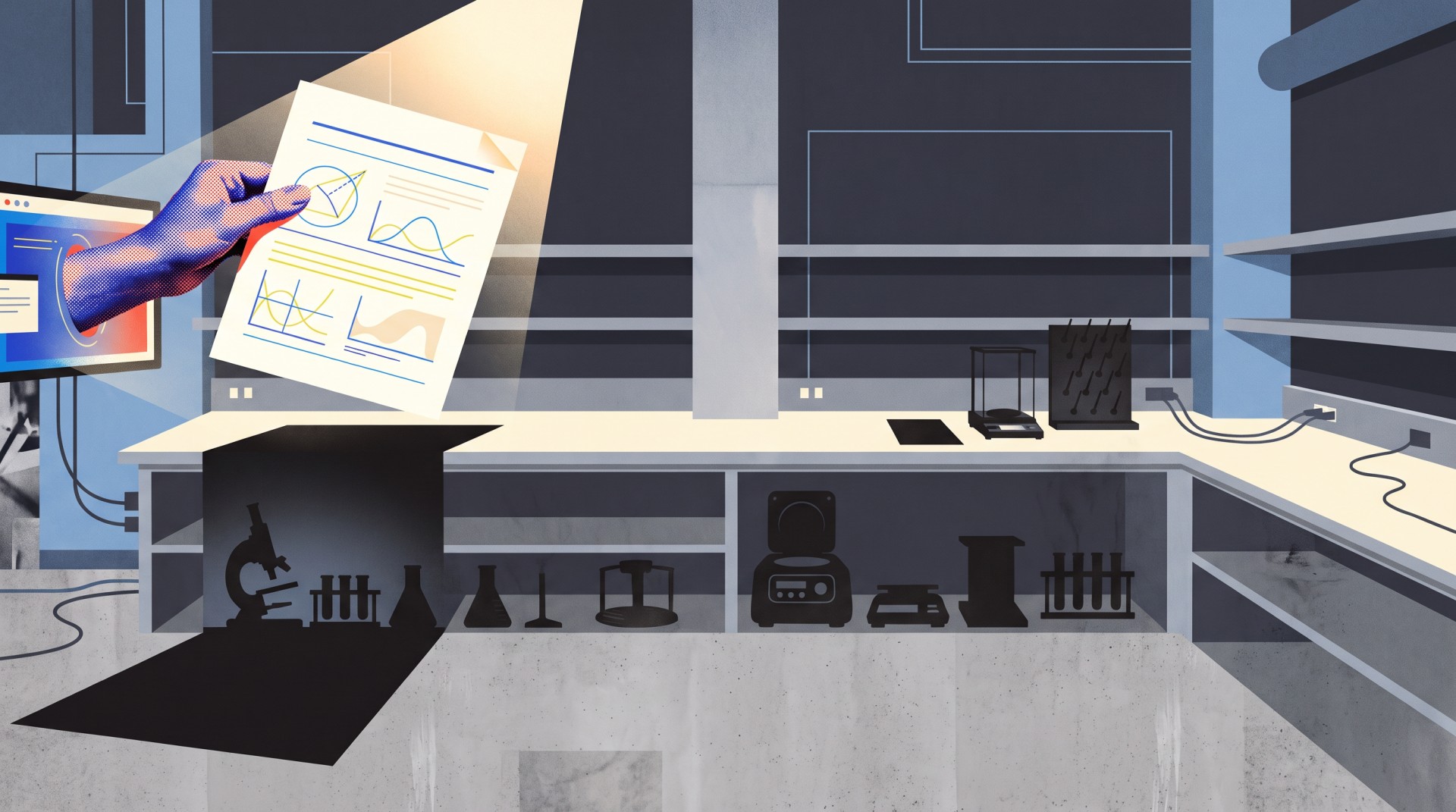 Into the Unknown benchmark reveals AI agents' failure in autonomous research
November 7, 2026
 Anthropic has published research on the memory architecture of AI agents
November 7, 2026