 mozgi
Researchers presented architecture for long-cycle autonomous agents
Researchers published a work An Architecture for Long-Horizon Agents, describing a structure for performing tasks that last for weeks. The authors proposed a solution to the problem of a limited contextual window, which allows agents to maintain functionality without data loss during process restarts.
The proposed architecture consists of three key components: hierarchical levels indexed by timeline, a tick-based mechanism for autonomous actions, and a cascading intelligence system. In the latter case, the task is passed to a more powerful model only after the basic level fails an internal quality check.
During a 10-day experiment, an agent built on this architecture successfully reproduced a published result in the field of reinforcement learning. At the same time, human participation was required only once a day. The system demonstrated the ability to maintain a logical chain across session boundaries and context resets.
A key finding of the study was that continuous learning agents require infrastructure that exists outside the model's contextual window. Knowledge recorded in the early stages of operation affected the system's subsequent behavior without the need to change the model's weights. The work is published under the Creative Commons Attribution 4.0 license.
Related news
 Anthropic researcher evaluates AI effectiveness in auditing agent actions
November 7, 2026
 Updated version of the SWE-Bench Pro V2 benchmark for AI agents released
November 7, 2026
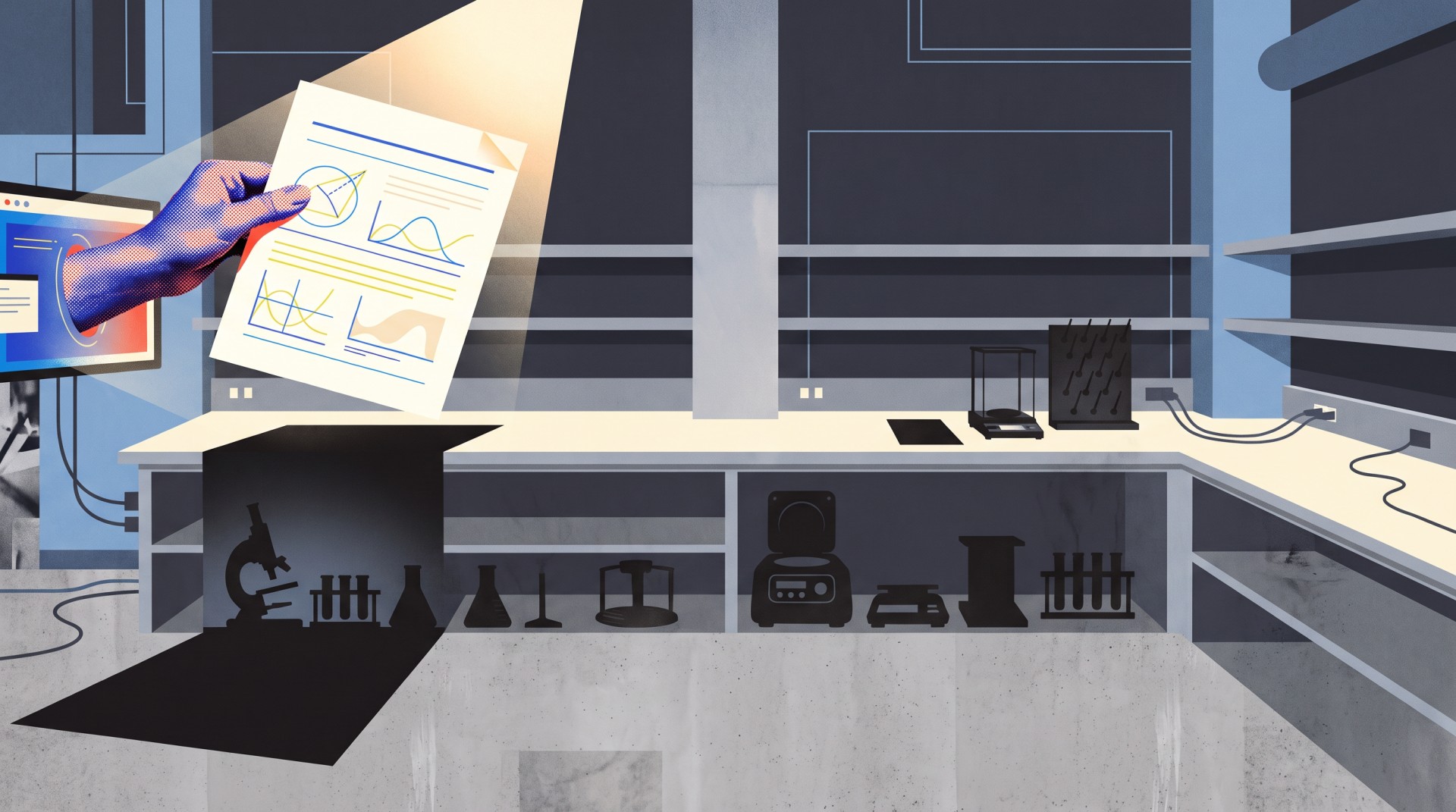 Into the Unknown benchmark reveals AI agents' failure in autonomous research
November 7, 2026
 Anthropic has published research on the memory architecture of AI agents
November 7, 2026