 mozgi
Stanford introduced the HomeBody robot with long-term spatial memory
September 26, 2026
Stanford University researchers have introduced the HomeBody robot, capable of autonomously exploring unfamiliar spaces, remembering the layout, and performing complex tasks without prior training.
The new system combines advanced visual-language models (VLM) with a persistent spatial memory mechanism and a set of composite skills, allowing the humanoid to perform multi-step scenarios like cleaning the kitchen or finding medication in real-time.
The architecture enables the robot to navigate completely new environments without creating prior maps or fine-tuning for a specific space, addressing the issue of autonomy for household robots in dynamic human environments.
Related news
 Google DeepMind has mathematically verified the Signal encryption protocol
November 11, 2026
 Google DeepMind has introduced the AlphaGenome 2 model for DNA analysis
November 11, 2026
Researchers applied linear programming to correct LLM weights
November 11, 2026
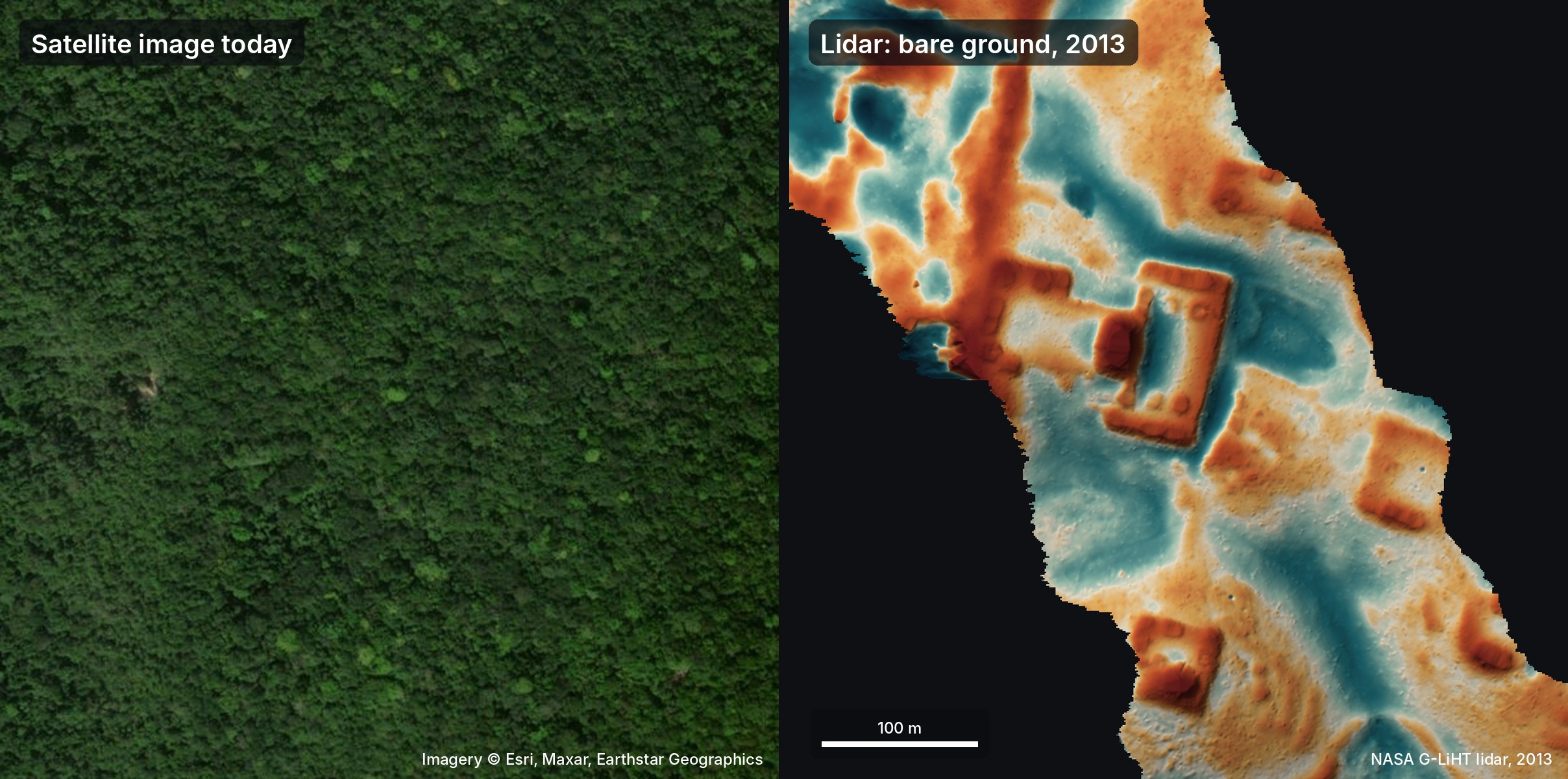 Google SWE used 48 AI agents to find an ancient Mayan pyramid
November 11, 2026