mozgi
Claude Opus 5.5
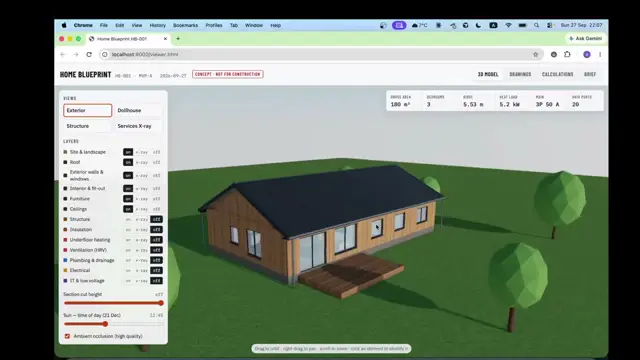
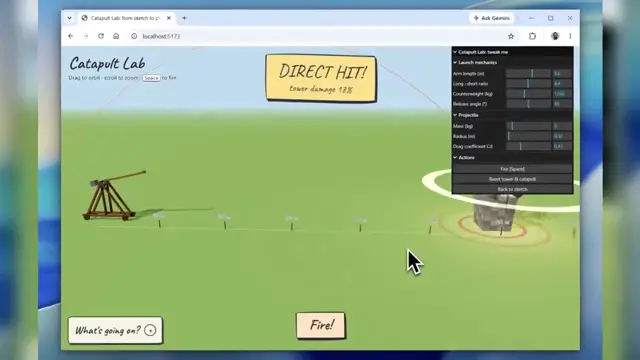
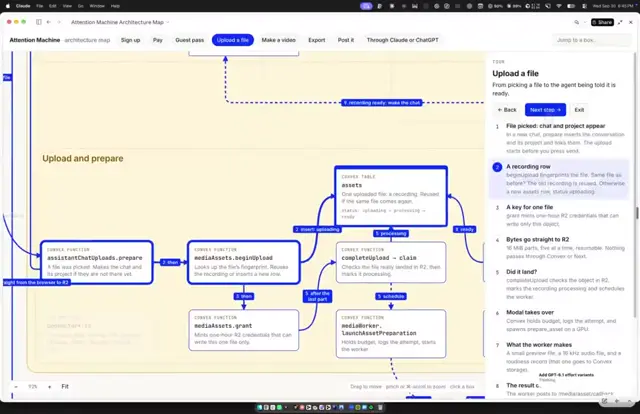
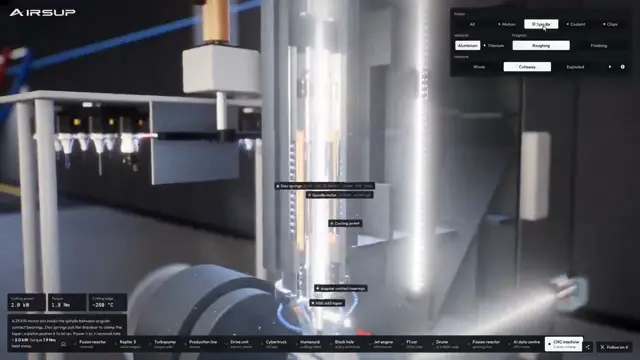
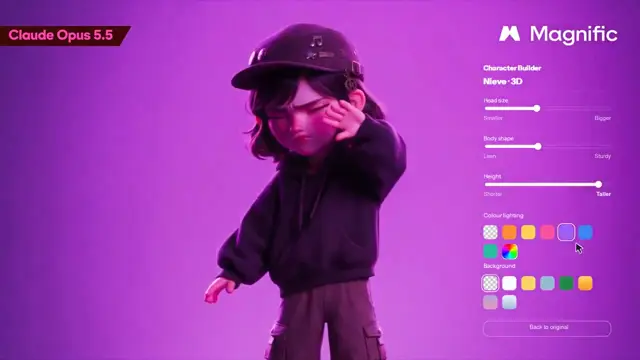
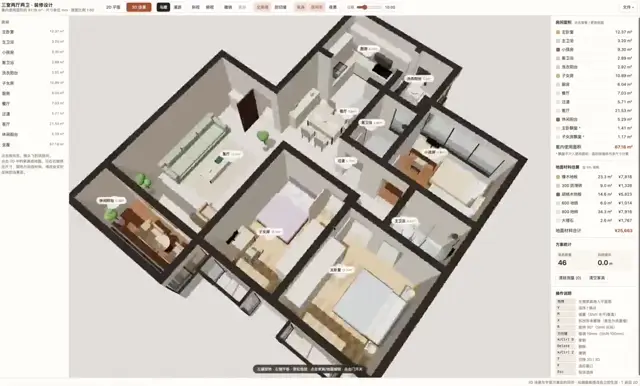
Claude Opus 5.5 kullanılarak metin açıklamasından oluşturulan etkileşimli 3D model, animasyona ve düzenlemeye hazır
Prompt
Opus 5.5 tek bir cümleyi Blender’da açılan, rig’lenmiş, dokulanmış ve animasyona hazır bir 3D sisteme dönüştürdü.

Nesneyi render’lamıyor. Bir modelleyicinin elinde bir hafta olsaydı yapacağı gibi, nesneyi parça parça inşa ediyor.

> PARSE — cümle, hiçbir şey ima edilmeden, gerçek ölçülere sahip bir parça listesine dönüşüyor
> MASS — her parça temiz geometri olarak oluşturuluyor; yalnızca quad’lar, heykel gibi şekilsiz bir yığın yok
> RIG — eklemler ve pivotlar, nesnenin fiziksel olarak büküldüğü yerlere yerleştiriliyor
> SKIN — malzemeler her yüzeye ayrı ayrı atanıyor; ölçek ve pürüzlülük ayrı ayrı ayarlanıyor
> PACK — dışa aktarma, adlandırılmış bir hiyerarşiyle yapılıyor; böylece bir insan tek bir parçayı düzenleyebiliyor

Görüntü modelleri render aşamasında durur. Elde ettiğiniz şey, bir nesne olarak var olmayan bir şeyin fotoğrafıdır.

Birinin bir kolu hareket ettirmek, bir malzemeyi değiştirmek veya modeli yazıcıya göndermek istediği anda bu boşluk ortaya çıkar.

Rig’leme, kimsenin otomatikleştirmediği şeydir. Pivotlar olmadan elinizde bir heykel vardır ve bir heykel sistem olamaz.

Topoloji her seferinde ayrıntıyı yener. Yoğun bir ağ, ekran görüntüsünde göz kamaştırır ve deforme olduğu anda buruşup çöker.

İsimler tüm dışa aktarma boyunca korunur. Her parça, eklem ve malzeme, bir insanın adlandıracağı şekilde okunur.

Stüdyolar, işin yaratıcı kısmına geçilmeden önce modelleme ve temizlik için günler harcar.

İstem formatı ve her aşamanın döndürdüğü sonuç aşağıda açıklanmıştır.
Opus 5.5 turned one sentence into a 3D system that opens in Blender, rigged, textured and ready to animate.

It does not render the object. It constructs it, part by part, the way a modeller would if they had a week.

> PARSE - the sentence becomes a parts list with real dimensions, nothing implied
> MASS - each part built as clean geometry, quads only, no sculpted mush
> RIG - joints and pivots placed where the object physically bends
> SKIN - materials assigned per surface, scale and roughness set separately
> PACK - exported with a named hierarchy, so a human can edit one part

Image models stop at the render. What you get is a photograph of a thing that does not exist as a thing.

That gap appears the second someone wants to move an arm, swap a material, or send it to a printer.

Rigging is what nobody automates. Without pivots you have a statue, and a statue cannot be a system.

Topology beats detail every time. A dense mesh looks stunning in a screenshot and folds the moment it deforms.

Names carry through the whole export. Every part, joint and material reads the way a person would label it.

Studios burn days on modelling and cleanup before anyone gets to the creative part of the job.

The prompt format and what each stage returns are laid out underneath.
Bu promptun hakları yazarı @0xWast3'a aittir. Ticari kullanımdan — yapay zekâ araçlarının, toplayıcıların, Telegram botlarının tanıtımı — siz sorumlusunuz: mozgi.io sorumluluk kabul etmez. Ayrıntılar →