mozgi
Seedance 2.5
日本繪卷由右向左展開,畫中的浮世繪城市活了起來,影片最終停在帶有標題的富士山上
提示詞
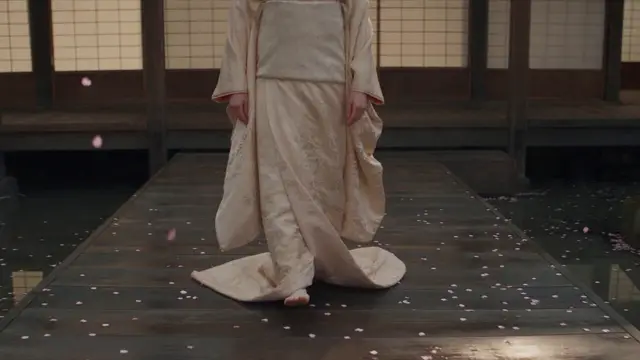
[摘要] 15 秒,16:9,24fps。一幅日本繪卷從右向左展開,畫在上面的浮世繪木版城市活了起來,影片最後停在富士山上,空白紙面上出現標題。動畫木版畫風格。整部影片只有一次緩慢向左的漂移。 [整體設定] 外觀與質感:2D 動畫日本浮世繪木版畫。平坦的手工印刷色彩,可見的木紋,每個表面都透出和紙纖維,纖細的墨線輪廓,金箔雲帶,琳派風格的裝飾性平面感。讓墨線保持些微不均勻,如同手工刻版印刷的效果。色盤:和紙象牙色、靛藍 ai-iro、朱紅 shu-iro、金色 kin-iro、金黃色 yamabuki-iro、松綠 matsu-midori、墨黑。不得使用其他顏色。作為物件的畫卷:畫卷的象牙色和紙與深色木軸,在 0 到 2.5s 以及 11.5 到 15.0s 期間,持續出現在畫面的頂部與底部。2.5 到 11.5s 之間,攝影機位於畫內,紙張邊緣在畫面外。攝影機語言:每個時間段恰好只有一個攝影機運動,始終以小幅度、慢速度進行。整部影片的整體移動方向都是向左。單一時間段內絕不結合兩種攝影機運動。不要手持晃動。轉場:在 2.5s 使用推近轉場,在 5.0s 使用水墨暈染轉場,在 7.5s 使用形狀匹配轉場,在 12.5s 使用拉遠轉場。任何地方都不得硬切。不得有任何物件從空白空間中出現。讓攝影機的呼吸感與每個時間段的長度保持和諧,並留出足夠時間讓每個轉場完成。全程禁止:字幕、背景音樂、寫實風格、3D 算圖、CG 光照、電子遊戲感、現代建築、火車、汽車、電線、霓虹燈、畫面任何位置出現日本漢字或假名、浮水印、標誌、12.5s 之前出現任何畫面文字、馬賽克、平鋪、拼圖片組裝、快速剪接。[時間軸] 0-2.5s — 畫卷展開 場景:一幅帶有深色木軸的閉合繪卷,位於象牙色畫框的右側邊緣。動作:畫卷向左展開,露出畫中的日本橋。橋上的人群開始移動並走過橋面。一艘畫中的船從橋下滑出,平坦的墨線輪廓泛起波動,化為流動的水面。攝影機:緩慢向左漂移,小幅度,跟隨展開的紙張。聲音:紙張沙沙聲、木軸轉動聲,接著低沉的市集人群聲逐漸淡入。本時間段不得出現:文字、音樂、攝影機晃動。2.5-5.0s — 進入畫中:飲食街 轉場:推近轉場。攝影機推入畫面表面,直到紙張邊緣離開畫面,整幅畫填滿整個螢幕。場景:飄動的朱紅色幟旗下,戶外的江戶飲食街。動作:廚師用雙手按壓一塊握壽司,將它放在裸露的木板上。蕎麥麵鍋升起蒸氣,廚師將麵條從水中拉出。一名客人把暖簾拉到一旁,走進其下方。攝影機:緩慢推近,小幅度,停在壽司木板上。聲音:刀敲木頭的聲音、油滋滋作響、鍋子沸騰、布料摩擦聲。本時間段不得出現:文字、音樂、現代廚房設備。5.0-7.5s — 河流 轉場:水墨暈染轉場。墨汁像滴入水中的墨水一樣在畫面上暈開,河流場景從暈染中浮現。場景:隅田川、一座拱形木橋,遠岸排列著低矮的木造町屋,位於金色雲帶之下。動作:船夫撐動篙,船經過橋邊向前滑行。櫻花花瓣從右方吹過水面。站在橋上的一名穿著圖案和服的女子轉過頭,望向攝影機。攝影機:緩慢向左追蹤,小幅度,與船保持同樣速度。聲音:船槳浸入水中、木頭吱嘎聲、水面拍岸聲、穿過櫻花枝葉的風聲。本時間段不得出現:文字、音樂、機動船。7.5-9.5s — 夜晚、燈籠、歌舞伎 轉場:形狀匹配轉場。上一時間段中漂浮的一片圓形粉紅櫻花花瓣,匹配成這一段中的圓形紅紙燈籠。場景:深靛藍天空下,一條有著兩層木造町屋的夜街。動作:街道兩側的紅紙燈籠一盞接一盞亮起。遠端的歌舞伎劇場簾幕向兩側敞開,一名塗著鮮紅隈取臉譜的演員擺出靜止的見得姿勢。攝影機:緩慢向上傾斜,小幅度,從燈籠移向屋頂上方的天空。聲音:歌舞伎木拍子敲擊兩次、木板街上的木屐聲、低沉的人群聲。本時間段不得出現:文字、音樂、電燈。9.5-12.5s — 煙火與整座城市 承接上一時間段,向上的傾斜動作不間斷地延續到這一段。場景:金色煙火在河面上方的靛藍天空中綻放。動作:兩朵煙火以金色與朱紅色綻放並落下。視野擴大成一幅橫跨整個畫面寬度、描繪江戶全城的宏大鳥瞰折屏畫:密集的木造屋頂、蜿蜒的運河、拱橋、往來船隻、一座朱紅色鳥居、寺院建築群,以及江戶城層疊的白色天守;金箔雲帶在各個街區之間飄移。11.5s 時,畫卷象牙色和紙的邊緣從上方與下方重新滑入,顯示整座城市其實是同一幅畫卷上的連續畫面。攝影機:緩慢拉遠,大幅度,單一且連續的運動。聲音:遠方煙火的轟鳴與爆裂聲,人群聲向外擴展,逐漸在開闊空氣中變得稀薄。本時間段不得出現:文字、音樂、影像碎裂或重新組合。12.5-15.0s — 富士山與標題 轉場:拉遠轉場在畫卷的最遠端完成。場景:積雪的富士山獨自矗立在右側的金色天空前。寬闊的空白象牙色和紙填滿畫面左半部。動作:櫻花花瓣飄落在空白紙面上。唯一的大型單字 "EDO" 以乾淨、淡墨黑色的幾何無襯線大寫字母,淡入空白紙面。隔一拍後,較小的文字行 "NOW CALLED TOKYO" 直接淡入其下方。兩行皆為英文拉丁大寫字母,拼寫必須與此處完全一致,置中於空白紙面上,清晰且完全易讀,不得有日文字符、額外文字或拼寫錯誤。兩行出現後保持靜止,不得重新繪製。攝影機:漂移停止,最後 1.5 秒完全保持靜止。聲音:遠方寺院鐘聲響一次,接著是安靜的風聲。本時間段不得出現:音樂、額外文字、標題出現後的攝影機運動。[結尾限制] 整部影片中:從第一幀到最後一幀,保持平面浮世繪木版畫風格、和紙纖維、七色調色盤與不均勻的手工刻版墨線完全一致。讓每個攝影機運動都保持小幅度與慢速度,並維持整體向左的移動方向。讓所有轉場保持柔和,不得硬切,也不得有任何物件從空白空間中出現。整部影片中:不得有字幕、背景音樂、寫實風格、3D 算圖、任何種類的現代物件、日本漢字或假名、浮水印與標誌。畫面文字只能在 12.5s 之後出現,且只能是上述指定的兩行英文。
[SUMMARY] 15 seconds, 16:9, 24fps. A Japanese emakimono picture scroll unrolls from right to left, the ukiyo-e woodblock city painted on it comes alive, and the film lands on Mount Fuji with a title on the blank paper. Animated woodblock-print style. One single slow leftward drift carries the entire film. [GLOBAL SETUP] Look and texture: 2D animated Japanese ukiyo-e woodblock print. Flat hand-printed color, visible woodgrain, washi paper fibre showing through every surface, thin sumi-ink outlines, gold-leaf cloud bands, Rinpa-school decorative flatness. Keep the ink lines slightly uneven, the way a hand-cut block prints. Palette: washi ivory, indigo ai-iro, vermilion shu-iro, gold kin-iro, golden-yellow yamabuki-iro, pine-green matsu-midori, sumi black. No other colors. The scroll as an object: the ivory washi paper of the scroll, with its dark wooden roller, stays visible at the top and bottom of the frame from 0 to 2.5s and again from 11.5 to 15.0s. Between 2.5 and 11.5s the camera is inside the painting and the paper edges are out of frame. Camera language: exactly one camera move per time slice, always small amplitude at slow speed. The overall direction of travel is leftward for the whole film. Never combine two camera moves in one slice. No handheld shake. Transitions: use zoom-in transition at 2.5s, ink-wash transition at 5.0s, matching-shape transition at 7.5s, and zoom-out transition at 12.5s. No hard cuts anywhere. Nothing appears out of empty space. Keep the camera's breathing in harmony with the length of each slice and leave enough time for each transition to complete. Forbidden throughout: no subtitles, no background music, no photorealism, no 3D rendering, no CG lighting, no video-game look, no modern buildings, no trains, no cars, no power lines, no neon, no Japanese kanji or kana characters anywhere in the frame, no watermark, no logo, no on-screen text at all before 12.5s, no mosaic, no tiling, no puzzle-piece assembly, no rapid cutting. [TIMELINE] 0-2.5s — The scroll opens Scene: A closed emakimono scroll with a dark wooden roller sits at the right edge of an ivory frame. Action: The scroll unrolls leftward and reveals a painted Nihonbashi Bridge. The painted crowd on the bridge starts to move and walks across it. A painted boat slides out from under the bridge and its flat ink outlines ripple into moving water. Camera: slow leftward drift, small amplitude, following the unrolling paper. Sound: paper rustling, a wooden roller turning, then a low market crowd fading in. Not in this slice: no text, no music, no camera shake. 2.5-5.0s — Into the painting: the food street Transition: zoom-in transition. The camera pushes into the painted surface until the paper edges leave the frame and the painting fills the whole screen. Scene: An open-air Edo food street under fluttering vermilion nobori banners. Action: A chef presses a piece of nigiri sushi between his hands and sets it down on a bare wooden board. Steam lifts from a soba pot as a cook draws noodles out of the water. A customer pulls a noren curtain aside and steps in under it. Camera: slow push in, small amplitude, stopping on the sushi board. Sound: a knife tapping wood, oil sizzling, a pot bubbling, cloth brushing. Not in this slice: no text, no music, no modern kitchen equipment. 5.0-7.5s — The river Transition: ink-wash transition. Sumi ink bleeds across the frame like ink dropped in water, and the river scene emerges out of the bleed. Scene: The Sumida River, an arched wooden bridge, rows of low wooden townhouses on the far bank under gold cloud bands. Action: A boatman pushes his pole and the boat glides forward past the bridge. Cherry blossom petals blow across the water from the right. A woman in a patterned kimono standing on the bridge turns her head and looks toward the camera. Camera: slow leftward tracking shot, small amplitude, keeping pace with the boat. Sound: an oar dipping, wood creaking, water lapping, wind through cherry branches. Not in this slice: no text, no music, no motorboats. 7.5-9.5s — Night, lanterns, kabuki Transition: matching-shape transition. A round pink cherry petal drifting in the previous slice matches into a round red paper lantern in this one. Scene: A night street of two-story wooden machiya townhouses under a deep indigo sky. Action: Red paper lanterns light up one after another down both sides of the street. A kabuki theater curtain sways open at the far end and an actor in bold red kumadori face paint strikes a still mie pose. Camera: slow tilt up, small amplitude, from the lanterns to the sky above the rooftops. Sound: wooden kabuki clappers striking twice, geta sandals on plank streets, a low crowd. Not in this slice: no text, no music, no electric light. 9.5-12.5s — Fireworks and the whole city Continuous from the previous slice, the tilt up carries straight into this one. Scene: Golden fireworks open in the indigo sky above the river. Action: Two fireworks bloom and fall in gold and vermilion. The view widens into one grand bird's-eye folding-screen painting of the whole city of Edo across the full width of the frame: dense wooden rooftops, winding canals, arched bridges, boat traffic, a vermilion torii gate, a temple complex, and the tiered white keep of Edo Castle, with gold-leaf cloud bands drifting between the districts. At 11.5s the ivory washi paper edges of the scroll slide back in at the top and bottom, revealing the whole city to be one continuous painting on one scroll. Camera: slow pull out, large amplitude, one single continuous move. Sound: fireworks booming and crackling far away, the crowd noise widening and thinning into open air. Not in this slice: no text, no music, no shattering or reassembling of the image. 12.5-15.0s — Mount Fuji and the title Transition: zoom-out transition completing into the far end of the scroll. Scene: Snow-capped Mount Fuji stands alone on the right against a gold sky. Wide empty ivory washi paper fills the left half of the frame. Action: Cherry blossom petals drift down across the empty paper. The single large word "EDO" fades in on that empty paper in clean pale sumi-black geometric sans-serif capitals. One beat later the smaller line "NOW CALLED TOKYO" fades in directly beneath it. Both lines are English Latin capitals, spelled exactly as written here, centered on the empty paper, sharp and perfectly legible, with no Japanese characters, no extra words and no misspellings. The two lines are static once they appear and are not re-rendered. Camera: the drift comes to rest and holds perfectly still for the last 1.5 seconds. Sound: a single distant temple bell ringing once, then quiet wind. Not in this slice: no music, no additional text, no camera movement after the title appears. [CLOSING CONSTRAINTS] Throughout the whole film: keep the flat ukiyo-e woodblock look, the washi paper fibre, the seven-color palette and the uneven hand-cut ink lines identical from the first frame to the last. Keep every camera move small in amplitude and slow in speed, and keep the overall direction of travel leftward. Keep all transitions soft, with no hard cuts and nothing appearing out of empty space. Throughout the whole film: no subtitles, no background music, no photorealism, no 3D rendering, no modern objects of any kind, no Japanese kanji or kana characters, no watermark and no logo. On-screen text appears only after 12.5s, only the two English lines specified above.
此提示詞的權利屬於作者 @tanabe_fragm。任何商業使用(推廣 AI 工具、聚合平台、Telegram 機器人)由你自行負責,mozgi.io 不承擔任何責任。 詳情 →