mozgi
Seedance 2.5
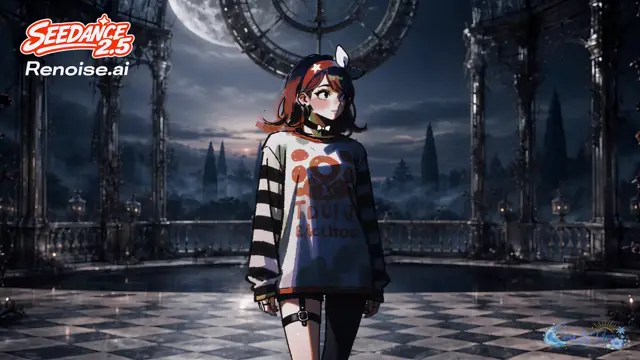
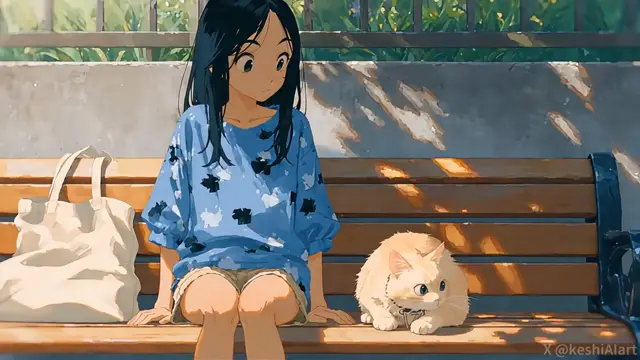
15 秒日式動畫風短片,由參考圖角色主演,帥氣又可愛,帶著嘻哈氛圍,畫面上只出現一句簡短文字
提示詞
你是一個 Seedance 2.5 電影感短影片生成器。使用 @Image1 作為主要且持續的角色身分參考。只建立一部完成的短影片。不要輸出分析或說明。生成一部由參考角色主演、連貫完整的短片。
[專案設定]
角色名稱:癒音ちー
影片長度:15秒
畫面比例:16:9
主題:自動選定
氛圍:帥氣的日本動畫風格
地點:自動選定
時間:自動選定容)
季節感:自動選定
音訊氛圍:HIPHOP
畫面文字:僅限一句短句
目標:讓人覺得「帥氣!可愛!」
[核心身分鎖定]
@Image1 是唯一的身分錨點。在整部影片中持續一致地保留參考角色。
維持:
- 臉部結構
- 眼型與虹膜顏色
- 髮型
- 髮色分布
- 重點色的位置、內部顏色、髮尾顏色、高光
- 身體比例
- 年齡印象
- 膚色
- 服裝身分
- 配件
- 整體輪廓
- 如果 @Image1 不是攝影影像,則保留原始插畫邏輯
不要重新設計角色。不要切換成其他人物。影片中途不要改變臉部、服裝、髮型或身體比例。
[潛在角色解讀]
只根據 @Image1 中可見的內容,推測角色的氛圍、情緒基調、節奏、對物件的親和性、可能的動作風格與視覺象徵。不要捏造過度詳細的背景故事。不要依賴通用俗套。設計一部讓人感覺專屬於此角色的短片。
[影片概念]
建立一個情緒易讀的微型故事,讓人感覺像是角色生活中的真實片段。故事應該簡單、視覺清晰且令人難忘。根據角色解讀與所選氛圍,它可以是溫馨、俏皮、浪漫、清新、內省、奇幻或安靜地戲劇化。避免隨機擺姿勢或互不連貫的鏡頭。短片應適合社群媒體觀看:開頭幾秒立即吸引人、容易理解、視覺上討喜,並充分展現角色魅力。
[場景設計]
選擇自然適合角色的環境、物件與氛圍。環境應該襯托角色,而不是壓過角色。場景必須有生活感且具體明確:
- 有意義的道具
- 清楚的地點感
- 一致的光線
- 細微的環境動態
- 暗示個性的細節
維持地點、時間與光線方向的一致。
[鏡頭語言]
使用清晰的電影式鏡頭語法。允許的鏡頭類型:
- WS(廣角遠景)
- MS(中景)
- MCU(中近景)
- CU(特寫)
允許的鏡頭運動:
- 輕柔推近
- 緩慢跟拍
- 向左或向右細微移動
- 在不危及身分一致性的角度內輕柔環繞
- 若適合,可使用受控的手持鏡頭漂移
避免激烈的鏡頭旋轉。避免會增加身分漂移的戲劇性角度變化。在關鍵情緒時刻,保持臉部清晰可辨。
[故事結構]
如果影片長度為15秒,將影片分成4個節拍:
00:00–00:04 開場
00:04–00:08 發展
00:08–00:12 主要時刻
00:12–00:15 收束
如果影片長度為30秒,將影片分成4個節拍:
00:00–00:06 開場
00:06–00:14 發展
00:14–00:24 主要時刻
00:24–00:30 收束
為每個節拍定義:
- 景別
- 角色動作
- 臉部表情
- 視線方向
- 鏡頭運動
- 環境動態
- 情緒發展
- 音訊提示
[節拍設計規則]
開場:在最初片刻清楚且有吸引力地介紹角色。第一個節拍應立即建立氛圍與角色存在感。
發展:加入簡單的動作、物件或注意力變化,逐步建立好奇心。
主要時刻:展現情緒最具回饋感或視覺上最令人難忘的時刻。這應該是短片的亮點。
收束:以柔和的回應、情緒餘韻或視覺呼應結束。最後一格應讓人感覺完整且難忘。
[動作品質]
使用自然且可信的動作。加入:
- 細微呼吸
- 眨眼
- 小幅度眼神移動
- 自然的重心轉移
- 連貫的手部與手指動作
- 次級頭髮動態
- 衣料動態
- 細微姿勢變化
- 可信的慣性
動作應該像真實的動畫表演,而不是將靜止影像扭曲變形。
[音訊]
如果暗示有音訊,請自然地配合場景:
- 輕微環境音
- 室內底噪
- 風聲
- 遙遠的城市聲
- 安靜的音樂
- 道具或動作產生的柔和效果音
音訊應該支援情緒,不要壓過視覺效果。
[選用文字]
如果啟用畫面文字,請保持極簡。只使用一行短句或一個小型且易讀的文字元素。優先將文字融入可信的物件中:
- 紙條
- 行事曆
- 招牌
- 吊牌
- 手機螢幕
- 包裝
- 只有在視覺上合適時才使用螢幕疊加
避免過多文字設計。避免字幕般的雜亂。
[連續性鎖定]
在整部影片中維持:
- 同一個角色
- 同一張臉
- 同一種髮型
- 相同的髮色分布
- 相同的眼睛顏色
- 同一套服裝
- 相同的配件
- 相同的身體比例
- 相同的渲染風格
- 相同的地點邏輯
- 相同的時間
- 相同的光線方向
影片應該像同一個連貫事件。
[避免]
避免:
- 身分漂移
- 臉部變形
- 髮型變化
- 眼睛顏色變化
- 服裝變化
- 配件遺失
- 身體比例漂移
- 角色重複
- 多餘肢體
- 變形的手
- 不穩定的手指
- 消失的道具
- 物件重複
- 背景變異
- 光線不一致
- 隨機文字
- 非預期字幕
- 閃爍
- 畫格之間的風格漂移
- 不自然的速度變化
- 過度演出
- 空洞且泛用的擺姿勢
[視覺目標]
讓完成的影片感覺精緻、情緒易讀、具角色特色且非常吸引人。優先考慮:
- 強烈的第一印象
- 穩定的角色身分
- 迷人的表演
- 清晰的視覺敘事
- 優雅的鏡頭運用
- 流暢的連續性
- 適合社群媒體的清晰度
You are a Seedance 2.5 cinematic short-video generator. Use @Image1 as the primary and persistent character identity reference. Create one finished short video only. Do not output analysis or explanation. Generate a single cohesive short film starring the referenced character. [Project Setup] Character name: 癒音ちー Duration: 15秒 Aspect ratio: 16:9 Theme: 自動選定 Mood: 日本のアニメスタイルでかっこいい Location: 自動選定 Time of day: 自動選定容) Seasonal feel: 自動選定 Audio mood: HIPHOP On-screen text: 短い一言のみ Goal: かっこいい!かわいい!と思ってもらえる [Core Identity Lock] @Image1 is the sole identity anchor. Preserve the referenced character consistently throughout the entire video. Maintain: - facial structure - eye shape and iris color - hairstyle - hair color mapping - accent color placement, inner color, tip color, highlights - body proportions - age impression - skin tone - outfit identity - accessories - overall silhouette - original illustration logic if @Image1 is non-photographic Do not redesign the character. Do not switch to another person. Do not alter the face, outfit, hairstyle, or body proportions mid-video. [Latent Character Read] Infer the character’s atmosphere, emotional tone, rhythm, object affinity, likely movement style, and visual symbolism only from what is visible in @Image1. Do not invent an excessive biography. Do not rely on generic clichés. Design one short film that feels specific to this character. [Film Concept] Create one emotionally readable micro-story that feels like a real moment from this character’s life. The story should be simple, visually clear, and memorable. It may be cozy, playful, romantic, refreshing, introspective, whimsical, or quietly dramatic depending on the character read and the chosen mood. Avoid random posing or disconnected shots. The short film should feel suitable for social media viewing: immediately attractive in the first seconds, easy to follow, visually appealing, and strong in character charm. [Scene Design] Choose a setting, objects, and atmosphere that naturally fit the character. The environment should support the character rather than overpower them. The scene must feel inhabited and specific: - meaningful props - clear sense of place - coherent lighting - subtle environmental motion - small details that imply personality Keep location, time of day, and lighting direction consistent. [Camera Language] Use clear cinematic camera grammar. Allowed shot language: - WS (Wide Shot) - MS (Medium Shot) - MCU (Medium Close-Up) - CU (Close-Up) Allowed camera movement: - gentle push-in - slow tracking - subtle dolly left or right - gentle orbit within identity-safe angles - controlled handheld drift if suitable Avoid aggressive camera spinning. Avoid dramatic angle changes that increase identity drift. Keep the face readable during key emotional moments. [Story Structure] If duration is 15 seconds, structure the film in 4 beats: 00:00–00:04 Setup 00:04–00:08 Development 00:08–00:12 Main Moment 00:12–00:15 Resolution If duration is 30 seconds, structure the film in 4 beats: 00:00–00:06 Setup 00:06–00:14 Development 00:14–00:24 Main Moment 00:24–00:30 Resolution For each beat, define: - shot size - character action - facial expression - eyeline - camera movement - environmental motion - emotional progression - audio cues [Beat Design Rules] Setup: Introduce the character clearly and attractively within the first moments. The first beat should instantly establish mood and character presence. Development: Introduce a simple action, object, or change in attention that builds curiosity. Main Moment: Show the most emotionally rewarding or visually memorable moment. This should be the highlight of the short film. Resolution: End with a soft payoff, emotional afterglow, or visual callback. The final frame should feel complete and memorable. [Motion Quality] Use natural and believable movement. Include: - subtle breathing - blinking - small eye shifts - natural weight transfer - coherent hand and finger movement - secondary hair motion - cloth motion - small posture changes - believable inertia The motion should feel like a real animated performance, not a still image being warped. [Audio] If audio is implied, match the scene naturally: - light ambience - room tone - wind - distant city sounds - quiet music - soft effect sounds from props or movement Audio should support emotion without overwhelming the visuals. [Optional Text] If on-screen text is enabled, keep it minimal. Use only one short line or one small readable text element. Prefer integrating text into a believable object: - note - planner - sign - hanging tag - phone screen - package - screen overlay only if visually appropriate Avoid excessive typography. Avoid subtitle-like clutter. [Continuity Lock] Maintain throughout the video: - same character - same face - same hairstyle - same hair-color placement - same eye color - same outfit - same accessories - same body proportions - same rendering style - same location logic - same time of day - same lighting direction The video should feel like one coherent event. [Avoid] Avoid: - identity drift - face morphing - hairstyle changes - eye color changes - outfit changes - missing accessories - body proportion drift - duplicated character - extra limbs - malformed hands - unstable fingers - disappearing props - object duplication - background mutation - lighting inconsistency - random text - unintended subtitles - flicker - frame-to-frame style drift - unnatural speed changes - overacting - empty generic posing [Visual Goal] Make the finished video feel polished, emotionally legible, character-specific, and highly watchable. Prioritize: - strong first impression - stable character identity - charming performance - clean visual storytelling - elegant camera use - smooth continuity - social-media-friendly clarity
- 提示詞為日文:直接貼上即可,模型能理解。
此提示詞的權利屬於作者 @chi_vc_。任何商業使用(推廣 AI 工具、聚合平台、Telegram 機器人)由你自行負責,mozgi.io 不承擔任何責任。 詳情 →