mozgi
Seedance 2.5
莉娜在冬日早晨探望住在記憶照護病房、患有早期失智的母親,五個鏡頭的安靜對話短劇
提示詞
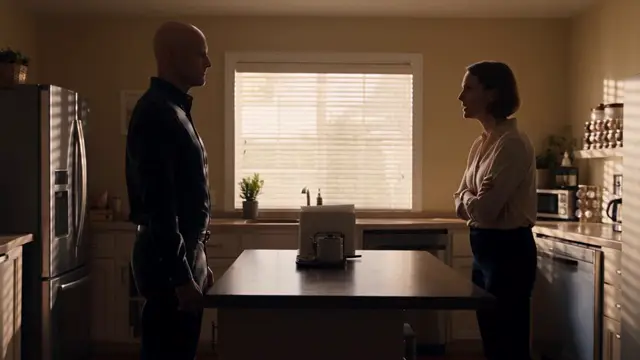
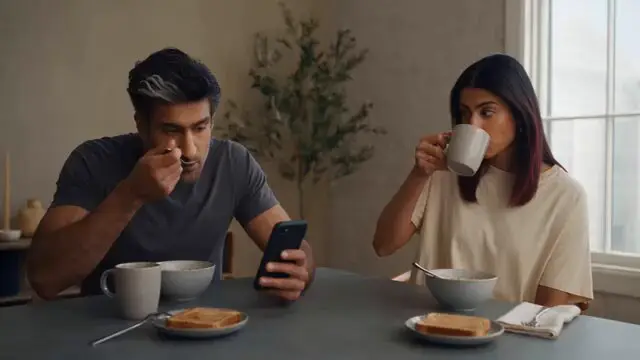
建立一個 30 秒、9:16 的寫實真人實拍戲劇場景,包含五個精心設計的鏡頭與自然同步的對白。原創角色:LENA:38 歲南亞女性,疲憊而富有表情的雙眼,深色波浪長髮隨意盤成低髮髻,穿著炭灰色大衣,內搭奶油色襯衫。MOTHER:72 歲南亞女性,五官秀麗,銀髮隨意編成辮子,穿著淡藍色針織開襟衫。她患有早期失智症,但仍保有情感上的敏銳度。場景:冬日早晨,一間安靜的記憶照護臥室。柔和的灰色日光從畫面左側照入;溫暖的床頭燈提供柔和的補光。窗邊擺著兩張彼此相對的椅子。細微的暖氣片滴答聲與遠處走廊的房間環境聲。無音樂。鏡頭 1 — 0–6 秒:穩定的中景雙人鏡頭,自然的 50mm 視角。Mother 禮貌地端詳 Lena,沒有認出她,並溫暖地說:「妳人真好,護士。」Lena 用一個小小的安撫微笑掩飾痛苦,回答:「我不是護士,媽媽。我是 Lena。」鏡頭 2 — 6–13 秒:切至 Mother 的特寫。她的雙眼因想起一個孩子而明亮起來,而不是因眼前的這個女人。她說:「我的 Lena 十一歲。她討厭豌豆,而且很不會說謊。」Lena 從畫外輕聲回答:「她現在還是一樣。」Mother 的笑容消失。她真切而受傷地問:「那她為什麼不來?」鏡頭 3 — 13–20 秒:切至 Lena 的特寫。保持畫面不動。她習慣性的微笑失效;下唇繃緊,雙眼開始泛淚,但她沒有啜泣。艱難地吸了一口氣後,她說:「我每個星期天都來。只是妳……一直把我弄丟。」鏡頭 4 — 20–25 秒:切回 Mother。她短暫地恢復清醒。她的目光始終停留在 Lena 身上;一滴淚水聚集起來,卻沒有落下。她用安靜而脆弱的聲音說:「我沒有忘記妳。我只是找不到回去的路。」鏡頭 5 — 25–30 秒:更緊湊的雙人鏡頭。Lena 沒有碰她,只是稍微靠近一些。此刻她無聲地流著淚,微笑著說:「那我就會一直來找妳。」Mother 仔細端詳 Lena 的臉。認出她的感覺不是透過誇張的表情,而是透過雙眼慢慢浮現。她輕輕吸了一口氣,低聲說:「Lena?」最後半秒保持她們的眼神接觸,完全沒有聲音。表演:克制而自然。從情感上的防備開始,讓痛苦逐漸累積。淚水必須慢慢形成,絕不能一開始就出現。使用呼吸停頓、細微的眼神移動、逐漸繃緊的臉部肌肉與停頓。不要戲劇化的啜泣、點頭晃頭、重複點頭或制式化的手勢。只有正在說話的角色嘴唇可以動。聆聽者保持嘴巴閉合,透過呼吸、眨眼與目光做出反應。每次剪接都要保持兩人的身分、服裝、位置、視線方向、光線與淚水進程一致。清晰乾淨的對白,具備真實的房間空間感。無旁白、無字幕、無文字、無音樂、無其他人物、無美化濾鏡或皮膚柔焦。
Create one 30-second 9:16 photorealistic live-action dramatic scene with five deliberate shots and native synchronized dialogue. Original characters: LENA: a 38-year-old South Asian woman, tired expressive eyes, dark wavy hair in a loose low bun, charcoal coat over a cream blouse. MOTHER: a 72-year-old South Asian woman with delicate features, silver hair in a loose braid and a pale-blue knitted cardigan. She has early dementia but remains emotionally perceptive. Setting: a quiet memory-care bedroom on a winter morning. Soft gray daylight enters from frame left; a warm bedside lamp provides gentle fill. Two chairs face each other beside the window. Subtle radiator ticks and distant corridor room tone. No music. Shot 1 — 0–6 seconds: Stable medium two-shot, natural 50mm perspective. Mother studies Lena politely without recognition and says warmly, “You’re very kind, nurse.” Lena hides the pain behind a small reassuring smile and answers, “I’m not a nurse, Mum. It’s Lena.” Shot 2 — 6–13 seconds: Cut to Mother’s close-up. Her eyes brighten at the memory of a child, not the woman before her. She says, “My Lena is eleven. She hates peas and lies badly.” Lena answers softly from offscreen, “She still does.” Mother’s smile disappears. She asks, genuinely wounded, “Then why doesn’t she come?” Shot 3 — 13–20 seconds: Cut to Lena’s close-up. Hold the frame. Her practiced smile fails; her lower lip tightens and her eyes begin filling, but she does not sob. After one difficult breath she says, “I come every Sunday. You just… keep losing me.” Shot 4 — 20–25 seconds: Cut back to Mother. She becomes briefly lucid. Her eyes remain fixed on Lena; one tear gathers without falling. In a quiet, fragile voice she says, “I don’t forget you. I just can’t find the way back.” Shot 5 — 25–30 seconds: Tighter two-shot. Lena leans slightly closer without touching her. Crying silently now, she smiles and says, “Then I’ll keep coming to find you.” Mother searches Lena’s face. Recognition slowly arrives through the eyes rather than a large expression. She takes a tiny breath and whispers, “Lena?” Hold their eye contact in complete silence for the final half-second. Performance: restrained natural acting. Begin emotionally guarded and let the pain accumulate. Tears must develop gradually, never appear at the beginning. Use breath catches, small eye movements, tightening facial muscles and pauses. No theatrical sobbing, head bobbing, repeated nodding or generic hand gestures. Only the assigned speaker’s lips move. The listener keeps their mouth closed and reacts through breathing, blinking and gaze. Preserve both identities, wardrobe, positions, eyelines, lighting and tear progression across every cut. Clear dry dialogue with realistic room perspective. No narration, subtitles, text, music, extra people, beauty filtering or skin smoothing.
此提示詞的權利屬於作者 @Dheepanratnam。任何商業使用(推廣 AI 工具、聚合平台、Telegram 機器人)由你自行負責,mozgi.io 不承擔任何責任。 詳情 →