mozgi
Claude Opus 5.5
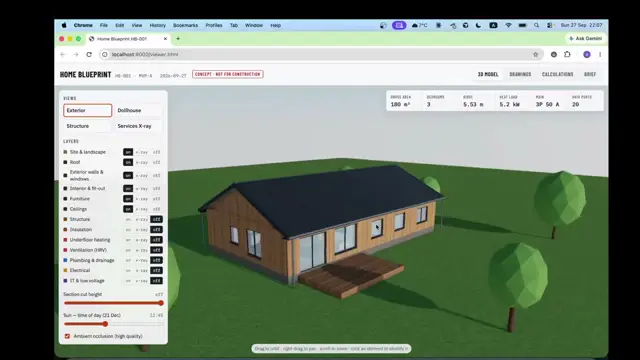
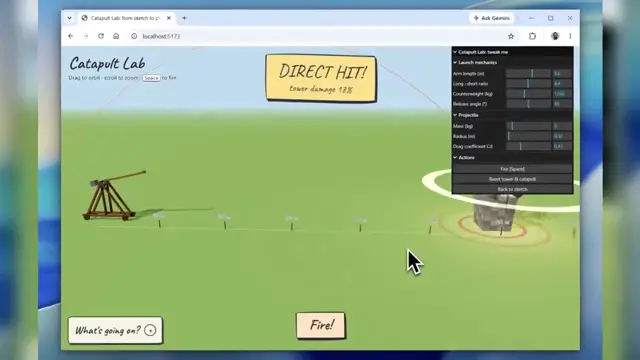
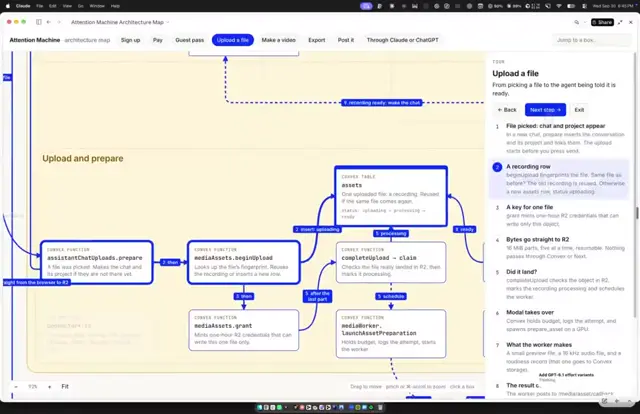
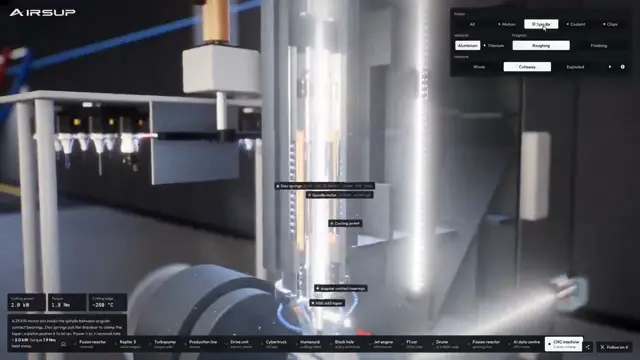
從文字描述生成的互動式 3D 模型,已準備好進行動畫和編輯
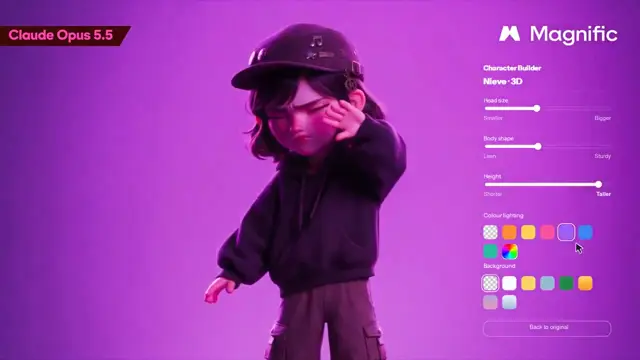
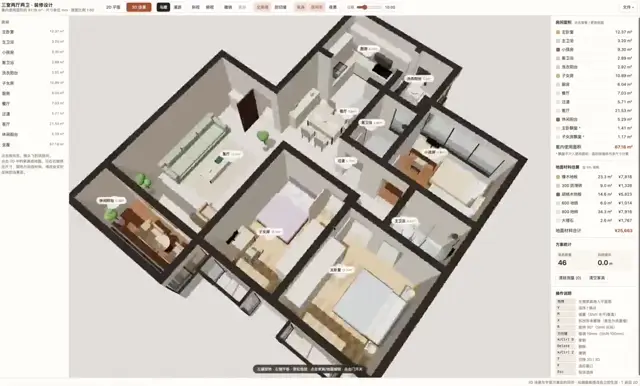
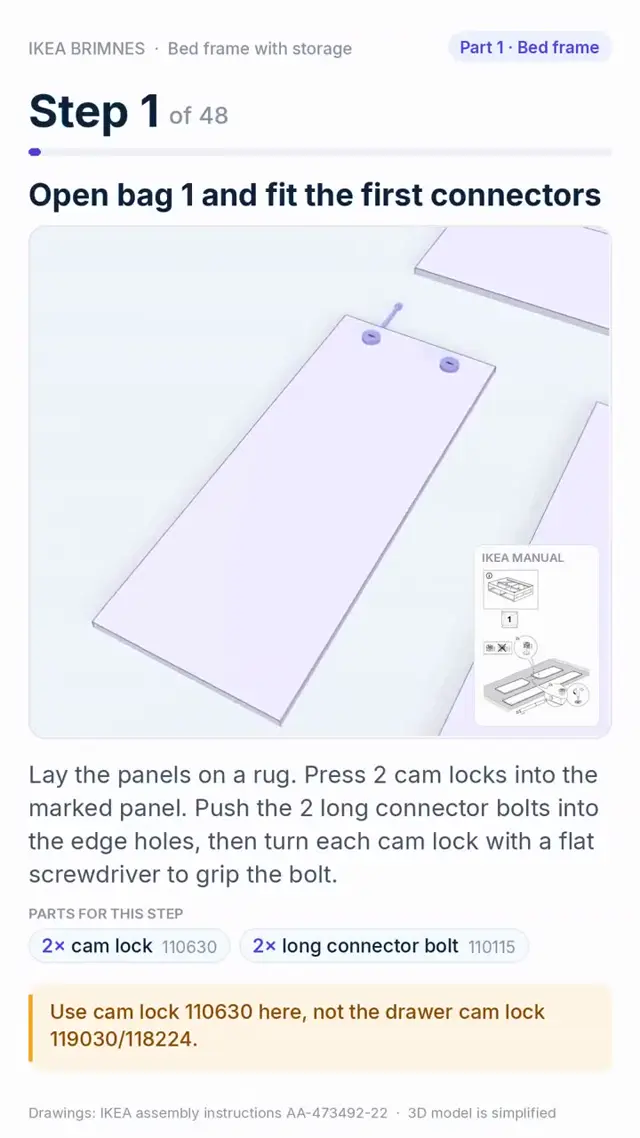
使用 Claude Opus 5.5 從文字描述生成的互動式 3D 模型,已準備好進行動畫和編輯。
提示詞
Opus 5.5 將一句話轉化為一套可在 Blender 中開啟的 3D 系統,已完成綁定、貼圖,並準備好進行動畫製作。

它不會渲染物件,而是像一名建模師有一週時間時會做的那樣,將物件逐一拆解並建構出來。

> PARSE — 將句子轉換成具備實際尺寸的零件清單,不留下任何未明示的內容
> MASS — 每個零件都以乾淨的幾何體建立,只使用四邊形,不產生雕塑般的糊狀幾何
> RIG — 將關節與樞紐放置在物件實際彎曲的位置
> SKIN — 為每個表面指定材質,分別設定比例與粗糙度
> PACK — 以具名階層匯出,讓人可以編輯其中一個零件

影像模型會在渲染階段停下來。你得到的是一張並未真正以物件形式存在的東西之照片。

只要有人想移動一條手臂、替換材質,或將它送去列印,這個落差就會立刻出現。

綁定是沒有人自動化的部分。沒有樞紐,你得到的只是一座雕像,而雕像不可能成為一套系統。

拓撲每次都勝過細節。高密度網格在螢幕截圖中看起來驚人,卻會在開始變形的瞬間折疊。

名稱會貫穿整個匯出流程。每個零件、關節與材質,都會以人們通常標註它們的方式呈現。

在任何人進入工作的創意部分之前,工作室往往已經花上數天進行建模與清理。

提示詞格式以及每個階段回傳的內容,都列在下方。
Opus 5.5 turned one sentence into a 3D system that opens in Blender, rigged, textured and ready to animate.

It does not render the object. It constructs it, part by part, the way a modeller would if they had a week.

> PARSE - the sentence becomes a parts list with real dimensions, nothing implied
> MASS - each part built as clean geometry, quads only, no sculpted mush
> RIG - joints and pivots placed where the object physically bends
> SKIN - materials assigned per surface, scale and roughness set separately
> PACK - exported with a named hierarchy, so a human can edit one part

Image models stop at the render. What you get is a photograph of a thing that does not exist as a thing.

That gap appears the second someone wants to move an arm, swap a material, or send it to a printer.

Rigging is what nobody automates. Without pivots you have a statue, and a statue cannot be a system.

Topology beats detail every time. A dense mesh looks stunning in a screenshot and folds the moment it deforms.

Names carry through the whole export. Every part, joint and material reads the way a person would label it.

Studios burn days on modelling and cleanup before anyone gets to the creative part of the job.

The prompt format and what each stage returns are laid out underneath.
此提示詞的權利屬於作者 @0xWast3。任何商業使用(推廣 AI 工具、聚合平台、Telegram 機器人)由你自行負責,mozgi.io 不承擔任何責任。 詳情 →