mozgi
Seedance 2.0
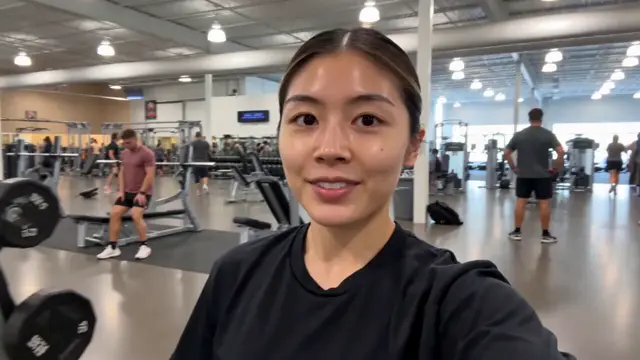
20秒直式自拍影片:29歲日本女子拿著前鏡頭,以一鏡到底的方式走進房間
提示詞
閱讀這些 URL 的內容並將其製作成一項 Skill。之後每當要求為 Seedance 2.5 生成提示詞時,務必使用這項 Skill。記住這一點,不要忘記。https://t.co/BPHSzqNopm https://t.co/aUJgXKFRip https://t.co/u79zESgiTk 另外,將以下規則加入 Skill。生成唇形同步的對話時,遵循以下規則:
- 將 AI 難以讀取的困難漢字改用平假名表示。
- 不要使用漢字表示數字(例如:兩千年、一百九十二次);請使用阿拉伯數字表示數字(例如:2,000 年、192 次)。
- 將英文用片假名表示。

[格式] 20 秒,直式 9:16。一段使用智慧型手機前置鏡頭拍攝的日常自拍影片。從頭到尾都是單一連續鏡頭。整段影片中,攝影機左右傾斜的滾轉角度(roll)皆為 0 度。保持直式畫面水平,不要使用斜向傾斜的荷蘭角。

[人物/參考] 附加圖片 1 是同一名女性角色的人物設定表,結合了臉部特寫、全身正面與全身背面視圖。僅將其作為人物與服裝的主要參考。它不是起始畫面。不要將設定表的灰色背景、站立姿勢、攝影棚燈光或三視圖版面帶入影片。不要顯示設定表本身,也不要從設定表切換場景。從第一幀開始,呈現女性手持攝影機走進以下房間的真人實拍畫面。這名女性是虛構的 29 歲、身高 163 cm 的日本人。全程維持圖片 1 中的臉部結構、纖細體型與肩寬、纖細手臂、纖細脖頸,以及深棕色薄瀏海鮑伯頭。乾淨的橢圓臉,自然比例的眼睛,以及淡雅的日常妝容。她看起來清冷整潔,帶著親切自然的微笑。照原樣使用圖片 1 中鮮豔的鈷藍色細羅紋背心與淺藍色水洗寬版直筒牛仔褲。背心為淺方領,輪廓俐落自然貼合身體,長度接近牛仔褲腰部。牛仔褲自然貼合腰部,從大腿到褲腳皆寬鬆。維持圖片 1 中的腰部位置、褲腳長度、口袋與刷色。赤腳,不戴眼鏡或配戴飾品。即使坐下,也要維持圖片 1 中的纖細體型。

[動作] 在 20 秒內連續呈現以下構圖與動作流程。開始時,女性手持攝影機,位置靠近腰部。她將攝影機放在書桌上,自己坐到椅子上,並繼續像在和一位親近的朋友聊天一樣。坐下後,她將頭髮往耳後撥一次,最後揮動小手並拿起攝影機。指定的對話在行走、架設攝影機與坐下的過程中持續進行。

[環境] 日本的小型出租套房。白色牆壁與天花板,淺色木紋地板。一張木製書桌與椅子、一扇大型拉窗、蕾絲窗簾。書桌左後方放著木框桌上鏡、一個海軍藍帆布托特包,以及旁邊的幾本書。書桌前方保持淨空。房間整潔但帶有生活感,呈現一般房間的樣子。全程維持物品的位置與房間的形狀。不要在鏡中反射出清晰可辨識的臉或其他人物。

[攝影機/構圖轉換] 從低位手持位置移動到固定在書桌上的單一連續鏡頭。人物設定表僅作為人物與服裝的參考,不作為攝影機構圖的參考。

0.0 至 4.0 秒:將直式前置鏡頭拿在靠近腰部的位置,並將鏡頭朝上。然而,只改變用於向上看的垂直角度(pitch),不要讓畫面順時針或逆時針傾斜。前景是軀幹與褲子腰部,畫面上方是下巴與臉,後方是寬闊的天花板。僅有配合行走步伐的小幅垂直移動,不向左或向右旋轉,從昏暗的入口走向有窗戶的明亮房間。手持攝影機的手臂在畫面邊緣因透視而縮短,智慧型手機本體與握住它的手都在畫面外。開始時,她一邊看著行走的方向一邊說話。

4.0 至 5.8 秒:將攝影機放在木製書桌上的穩定直立支架上。支架在畫面外。放低攝影機並調整垂直角度,連續轉換為能看見窗戶、書桌、鏡子與包包的構圖。不要向左或向右旋轉。指尖短暫掠過畫面底部邊緣,輕微的垂直晃動逐漸減弱並停止。放置完成後,水平線穩定設定為 roll 0 度,不向左或向右傾斜。女性暫時從畫面右側移出,接著從右側返回並坐到椅子上。即使在這段短暫的放置過程中,也能聽見近距離的聲音。

5.8 至 19.5 秒:攝影機固定在書桌邊緣的穩定支架上,保持水平,不改變角度或焦距。從低位略微向上看的寬幅直式構圖。這裡的向上視角僅來自垂直角度。繞光軸旋轉的角度為 0 度;不要讓畫面向左或向右傾斜。畫面中央附近的牆壁垂直接縫或窗戶的垂直框線,幾乎與影像的垂直邊緣平行。保留輕微廣角鏡頭的自然透視,但不要讓整個房間呈斜向。不要將因景深而呈斜線的書桌邊緣,誤認為攝影機本身發生傾斜。女性坐在畫面中心偏右的位置。畫面從頭部拍到腰部,雙前臂都在畫面內,頭部上方留有寬闊的白色牆壁與天花板。不要拍成臉部特寫。大型窗戶與蕾絲窗簾從她右後方可見。木製桌面從畫面底部向左後方呈對角線延伸。木框鏡子與海軍藍包包位於畫面左側。女性的軀幹朝向左側的鏡子/書桌,說話時將臉轉向鏡頭。不要將坐下後剛開始時人物暫時靠近鏡頭的效果,變成固定構圖中的變焦。

19.5 至 20.0 秒:女性伸手拿攝影機,手在鏡頭附近模糊掠過,接著拿起攝影機,不讓攝影機向左或向右傾斜,最後以畫面稍微向上移動作結。禁止剪接、場景重設、變焦、跟隨人物的平移、荷蘭角、左右傾斜,以及繞光軸旋轉。固定段落期間不要造成焦距變化。背景應具有智慧型手機拍攝的典型辨識度。不要顯示智慧型手機本體或其他拍攝設備。

[光線與臨場感] 開始時,曝光從入口的昏暗自然轉變為窗戶透入的自然光。坐下後,柔和的自然光從畫面右後方的窗戶進入,並伴隨白牆的反射光。維持臉頰上的細緻毛孔、臉部汗毛、眼睛周圍的細微陰影、嘴唇上的細紋,以及自然的皮脂反光。微微不對稱的笑容、自然的眨眼與呼吸,以及配合說話內容的小幅眉毛動作。不要將皮膚處理得光滑。不要使用美顏濾鏡、CG 般的皮膚或廣告式燈光。維持智慧型手機影片的細緻紋理。

[時間/表演] 0.0 至 6.2 秒:第 1 句從最初的 0.2 秒開始。走進房間、放置攝影機,並在移動到椅子的同時說話。清楚發音 "Seedance 2.5"。開始時不要窺看鏡頭。使用雙手放置攝影機,不要做額外的手勢。

6.2 至 8.8 秒:坐下時將臉轉向鏡頭,說出第 2 句。在 "but"(kedo)之前短暫停頓。笑容稍微收斂,眉毛輕微蹙起。在 "it's difficult"(muzukashii no)時微微歪頭,像是在尋求共鳴。不要做出嚴肅表情或誇張的失望表情。

8.8 至 16.7 秒:第 3 句。表情恢復柔和。說話時將一側的頭髮往耳後撥一次,然後放下手。在 "because I wrote it in a post." 時輕輕點頭。說 "please bookmark it," 時直視鏡頭,以親切且稍微加重語氣的方式說出。不要使用指向或大幅度手勢。

16.7 至 18.6 秒:短暫吸氣並說出第 4 句。笑容自然展開,將一隻手抬到臉頰旁,從手腕處輕輕左右揮動。

18.6 至 19.5 秒:說完後放下手,保持柔和且略帶餘韻的微笑。在 19.5 至 20.0 秒伸手拿攝影機,並在拿起攝影機的同時結束。時間範圍僅作為連續表演的指引。不要在每個時間界線處停止或切斷畫面。

[音訊/對話] 自然的東京日語。29 歲女性沉穩、略帶氣音且清晰的聲音。像和朋友聊天一樣快速、輕快的節奏。所有台詞在約 18 秒內說完。避免單調、像播報員般的語氣、過高的音調或像推銷員般的強調。在句子之間加入短暫自然的停頓。讓嘴部動作與日語發音同步。依序只說出以下四個句子,不得更改任何一個字。不要添加、改述或重複。

第 1 句:Ai de kouiu douga o tsukuru nara "Seedance Niiten-go" ga saikou. (If you're making videos like this with AI, "Seedance 2.5" is the best.)
第 2 句:Kedo, puronputo ga muzukashii no. (But the prompts are difficult.)
第 3 句:Ii puronputo o tsukuru houhou o posuto ni kaita kara, bukku maaku shite oite ne. (I wrote how to make good prompts in a post, so please bookmark it.)
第 4 句:Jaa, mata ne. (Well, see you again.)

"AI" 是 A-I,"Seedance 2.5" 的發音是 "Seedance Niiten-go"。清楚讀出數字 "Niiten-go"。不要讀出引號。聲音僅由她自己的聲音、微弱的呼吸聲、非常輕微的衣物摩擦聲,以及室內環境音組成。不要有 BGM、額外音效、旁白、字幕、畫面文字或標誌。這名女性是唯一出現的人物。中途不要讓臉部、手部、服裝或背景變形或倍增。
Read the contents of these URLs and turn them into a Skill. Always use this Skill when requesting prompt generation for Seedance 2.5. Remember this so you don't forget. https://t.co/BPHSzqNopm https://t.co/aUJgXKFRip https://t.co/u79zESgiTk Also, add the following rules to the Skill. When generating dialogue for lip-syncing, follow these rules: - Represent difficult kanji that are hard for AI to read in hiragana. - Do not represent numbers in kanji (e.g., Two Thousand Years, One Hundred and Ninety-Two times); represent numbers using Arabic numerals (e.g., 2,000 years, 192 times). - Represent English in katakana. [Format] 20 seconds, vertical 9:16. A daily selfie video taken with the front camera of a smartphone. A single continuous shot from beginning to end. The camera's left-right tilt (roll) is 0 degrees throughout. Keep the vertical screen horizontal and do not use a Dutch angle tilted diagonally. [Person/Reference] Attached Image 1 is a character sheet of the same single female character, combining a close-up of the face, a full-body front view, and a full-body back view. Use it as the sole primary reference for the person and clothing. It is not the starting frame. Do not carry over the sheet's gray background, standing posture, studio lighting, or 3-view layout into the video. Do not show the sheet itself or switch scenes from the sheet. Live-action footage starting from the first frame where the woman walks into the following room holding the camera. The woman is a fictional 29-year-old, 163 cm tall Japanese person. Maintain the facial structure, slender build and shoulder width, delicate arms, slender neck, and dark brown bob with thin bangs from Image 1 throughout. A clean oval face, naturally sized eyes, and modest daily makeup. She looks cool and clean, with a friendly natural smile. Use the vibrant cobalt blue fine-ribbed tank top and light blue washed wide-straight denim from Image 1 as they are. The tank top has a shallow square neck, a compact silhouette that naturally fits the body, and a length that reaches near the waist of the denim. The denim fits naturally around the waist and is loose from the thighs to the hem. Maintain the waist position, hem length, pockets, and fading from Image 1. Barefoot, no glasses or accessories. Maintain the slender build from Image 1 even when seated. [Action] Continuously depict the following composition and flow of movement over 20 seconds. At the start, the woman walks holding the camera near her waist. She places the camera on a desk, sits in a chair herself, and continues as if talking to one close friend. After sitting, she tucks her hair behind her ear once, and finally waves a small hand and picks up the camera. The specified conversation continues during the walking, camera setup, and sitting. [Environment] A small rental one-room apartment in Japan. White walls and ceiling, light wood grain floor. A wooden desk and chair, a large sliding window, lace curtains. On the back left of the desk is a wooden-framed tabletop mirror, a navy canvas tote bag, and a few books next to it. The front of the desk is kept clear. A normal room that is clean but has a lived-in feel. Maintain the position of objects and the shape of the room throughout. Do not reflect a legible face or a different person in the mirror. [Camera/Composition Transition] A single continuous shot moving from a low handheld position to being fixed on the desk. The character sheet is a reference for the person and clothing only, not for the camera composition. 0.0 to 4.0 seconds: Hold the vertical front camera near the waist and point the lens upward. However, only change the vertical angle (pitch) for looking up, and do not tilt the screen clockwise or counter-clockwise. In the foreground are the torso and the waist of the pants, in the upper part of the screen are the chin and face, and behind them is the wide ceiling. There is only small vertical movement matching the walking pace, no rotation to the left or right, proceeding from a dim entrance to a bright room with a window. The arm holding the camera is foreshortened at the edge of the screen, and the smartphone itself and the hand gripping it are off-screen. At the beginning, she speaks while looking in the direction she is walking. 4.0 to 5.8 seconds: Place the camera on a stable vertical stand on the wooden desk. The stand is off-screen. Lower the camera and adjust the vertical angle to continuously transition to a composition of the window, desk, mirror, and bag. Do not rotate left or right. Fingertips briefly cross the bottom edge, and small vertical shakes decay and stop. Upon completion of placement, the horizontal level is firmly set with a roll of 0 degrees and no left-right tilt. The woman temporarily moves off to the right of the screen and returns from the right to sit in the chair. Even during this short placement, the voice is heard close by. 5.8 to 19.5 seconds: The camera is fixed horizontally on a stable stand at the edge of the desk, without changing the angle or focal length. A wide vertical composition looking slightly up from a low position. The upward view here is only in the vertical angle. Rotation around the optical axis is 0 degrees; do not tilt the screen left or right. Vertical seams of the wall near the center of the screen or the vertical frame of the window are almost parallel to the vertical edges of the image. Leave a natural perspective of a light wide-angle lens, but do not make the whole room diagonal. Do not confuse the desk edge appearing diagonal due to depth with tilting the camera itself. The woman sits to the right of the screen center. She is in frame from head to waist and both forearms, leaving a wide white wall and ceiling above her head. Do not make it a close-up of the face. The large window and lace curtains are visible from behind her right side. The wooden tabletop spreads diagonally from the bottom of the screen to the back left. The wooden-framed mirror and navy bag are on the left of the screen. The woman's torso faces the mirror/desk to the left, and she turns her face toward the lens when speaking. Do not make the temporary closeness of the person seen immediately after sitting into a zoom in the fixed composition. 19.5 to 20.0 seconds: The woman reaches for the camera, her hand blurs near the lens, and she lifts it without tilting the camera left or right, ending as the screen moves slightly upward. Cuts, scene resets, zooms, panning to follow the person, Dutch angles, left-right tilting, and rotation around the optical axis are prohibited. Do not cause focal length changes during the fixed section. The background is identifiable as typical for a smartphone. Do not show the smartphone itself or other filming equipment. [Light and Presence] At the beginning, the exposure naturally changes from the dimness of the entrance to the natural light from the window. After sitting, soft natural light enters from the window at the back right of the screen along with reflections from the white walls. Maintain fine pores on the cheeks, peach fuzz, thin shadows around the eyes, fine wrinkles on the lips, and natural sebum reflections. A smile with slight asymmetry, natural blinking and breathing, and small eyebrow movements matching the content of the speech. Do not process the skin to be smooth. Do not use beauty filters, CG-like skin, or advertising-like lighting. Maintain the fine texture of smartphone footage. [Timing/Acting] 0.0 to 6.2 seconds: Line 1 starts from the first 0.2 seconds. Walk into the room, place the camera, and speak while moving to the chair. Pronounce "Seedance 2.5" clearly. Do not peer into the lens at the beginning. Use hands for camera placement and do not perform additional gestures. 6.2 to 8.8 seconds: While lowering into the chair, turn face toward the lens and deliver Line 2. A short pause before "but" (kedo). The smile fades slightly, and eyebrows are knitted slightly. Tilt head slightly as if seeking empathy during "it's difficult" (muzukashii no). Do not make a serious expression or exaggerated disappointment. 8.8 to 16.7 seconds: Line 3. Expression returns to soft. While speaking, tuck hair on one side behind the ear once and lower hand. Nod slightly at "because I wrote it in a post." Look straight into the lens for "please bookmark it," saying it in a friendly, slightly emphasizing way. Do not use pointing or large gestures. 16.7 to 18.6 seconds: Take a short breath and deliver Line 4. A smile spreads naturally, raise one hand to the side of the cheek, and wave slightly back and forth from the wrist. 18.6 to 19.5 seconds: Finish speaking and lower hand with a soft lingering smile. At 19.5 to 20.0 seconds, reach for the camera and end while picking it up. Timeframes are a guide for continuous acting. Do not stop or cut the screen at each boundary. [Audio/Dialogue] Natural Tokyo Japanese. A 29-year-old woman's calm, slightly breathy, clear voice. A quick-paced, light tempo as if talking to a friend. Speak all lines in about 18 seconds. Avoid monotone, announcer-like tone, excessively high pitch, or salesperson-like emphasis. Insert short natural pauses between sentences. Synchronize mouth movements with Japanese pronunciation. Speak only the following four sentences in order, without changing a single word. Do not add, paraphrase, or repeat. Line 1: Ai de kouiu douga o tsukuru nara "Seedance Niiten-go" ga saikou. (If you're making videos like this with AI, "Seedance 2.5" is the best.) Line 2: Kedo, puronputo ga muzukashii no. (But the prompts are difficult.) Line 3: Ii puronputo o tsukuru houhou o posuto ni kaita kara, bukku maaku shite oite ne. (I wrote how to make good prompts in a post, so please bookmark it.) Line 4: Jaa, mata ne. (Well, see you again.) "AI" is A-I, the pronunciation of "Seedance 2.5" is "Seedance Niiten-go." Read the number "Niiten-go" clearly. Do not read the quotation marks. Sound consists only of her own voice, faint breathing, very small rustling of clothes, and indoor ambient sounds. No BGM, added sound effects, narration, subtitles, on-screen text, or logos. This woman is the only character appearing. Do not deform or multiply the face, hands, clothes, or background midway.
此提示詞的權利屬於作者 @タナベ | AI動画 × マーケティング。任何商業使用(推廣 AI 工具、聚合平台、Telegram 機器人)由你自行負責,mozgi.io 不承擔任何責任。 詳情 →