mozgi
Nano Banana Pro
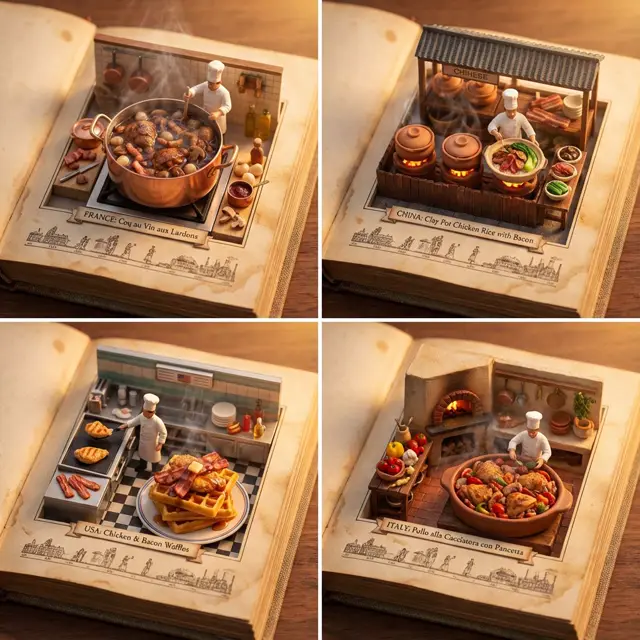
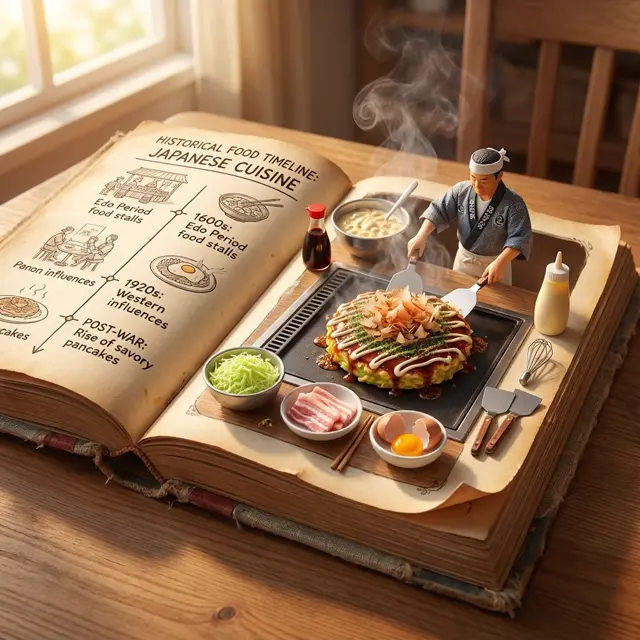
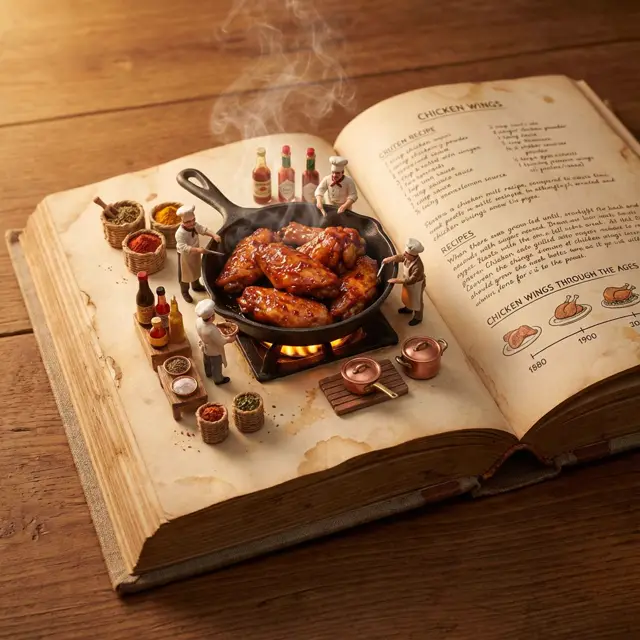
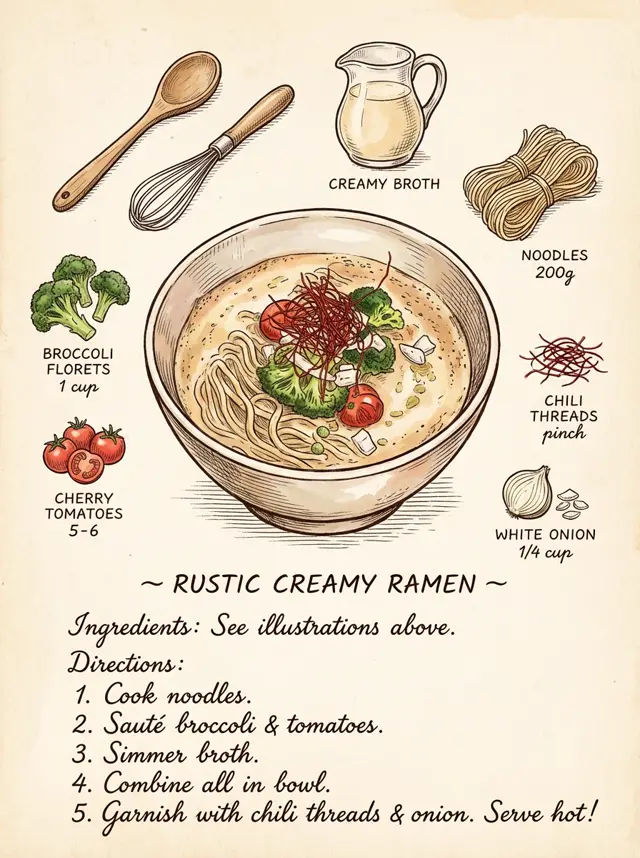
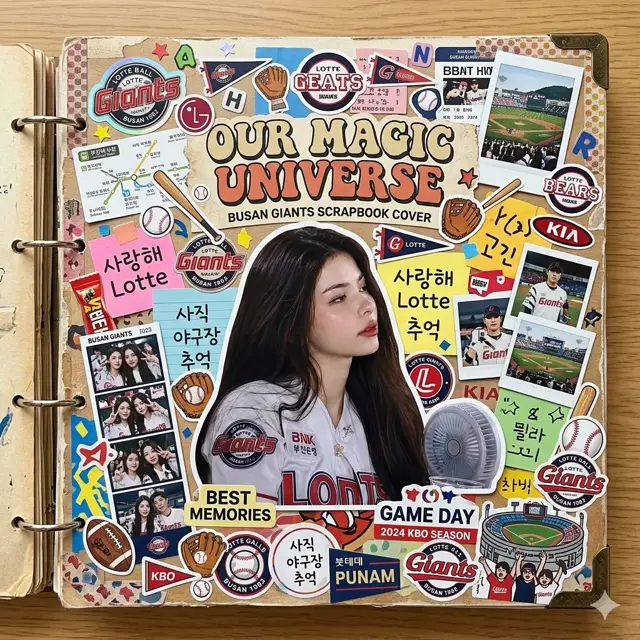
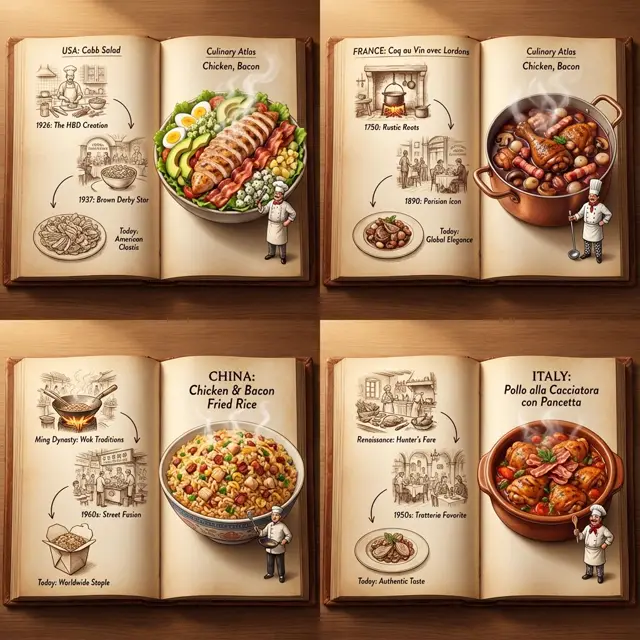
美食圖鑑以四本攤開的書呈現雞肉與培根料理,搭配復古草圖和立體立體書場景
提示詞
<instruction>
輸入:食材 = [雞肉, 培根]

步驟 1:整體分析
分析食材。
選出 4 個以這些食材烹調出知名料理的不同國家。

目標:呈現這些食材 4 種不同文化變化的「美食圖鑑」網格。

版面配置規則:
輸出格式:2x2 網格。
每個面板的內容:4 個面板各自呈現一本特定國家的打開書籍跨頁。

每個面板內(書籍跨頁規則):
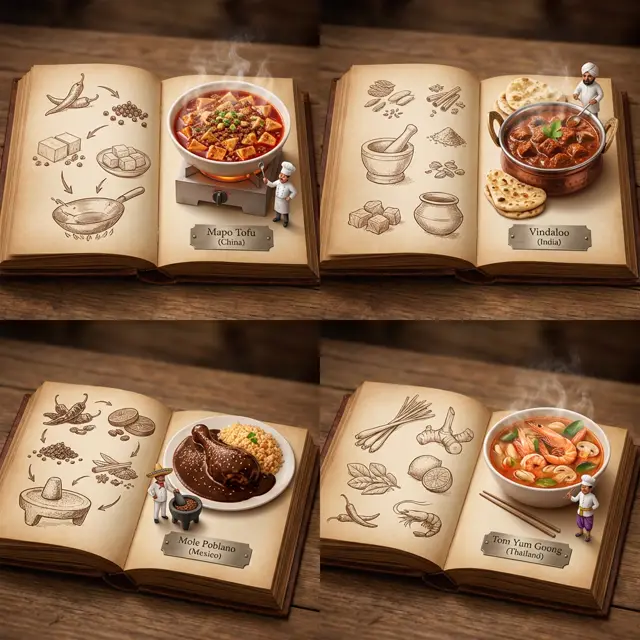
左頁(歷史):2D 復古棕褐色素描。以視覺時間軸或插畫食譜呈現料理(例如「1850 -> 1920 -> Today」)。平面、墨線繪製風格。
右頁(現實):3D 立體書場景。完成的熱騰騰料理從書頁中實際凸出。一位來自該國的迷你廚師模型站在書頁上,位於巨大料理旁邊。
一致性:4 本書看起來都應屬於同一系列,但文化內容各不相同。

光線:電影感的頂部打光,凸顯平面的左頁與立體的右頁之間的深度差異。
輸出:2x2 網格,高解析度,微距細節。
</instruction>
<instruction>
Inputs: Ingredients = [Chicken, Bacon]

Step 1: Global Analysis
Analyze the ingredients.
Select 4 Distinct Countries with a famous dish using these ingredients

Goal: A "Culinary Atlas" Grid showing 4 different cultural variations of the ingredients.

Layout Rule:
Output Format: A 2x2 Grid.
Content per Panel: Each of the 4 panels must show a Single Open Book Spread for that specific country.

Inside Each Panel (The Book Spread Rule):
Left Page (The History): 2D Vintage Sepia Sketches. A visual timeline or illustrated recipe of the dish (e.g., "1850 -> 1920 -> Today"). Flat, ink-drawn style.
Right Page (The Reality): 3D Pop-up Diorama. The finished, steaming meal emerges physically from the page. A tiny miniature chef from that country is standing on the page next to the massive food.
Consistency: All 4 books should look like part of the same series, but with different cultural contents.

Lighting: Cinematic top-down lighting, highlighting the depth difference between the flat left page and the 3D right page.
Output: 2x2 Grid, High Definition, Macro Detail.
</instruction>
此提示詞的權利屬於作者 @Gdgtify。任何商業使用(推廣 AI 工具、聚合平台、Telegram 機器人)由你自行負責,mozgi.io 不承擔任何責任。 詳情 →