mozgi
GPT Image 2.0
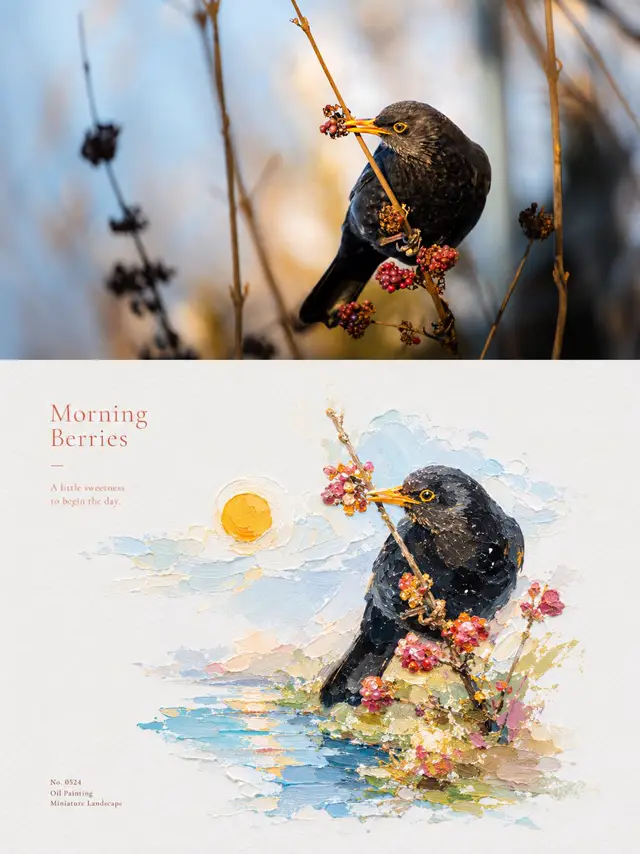
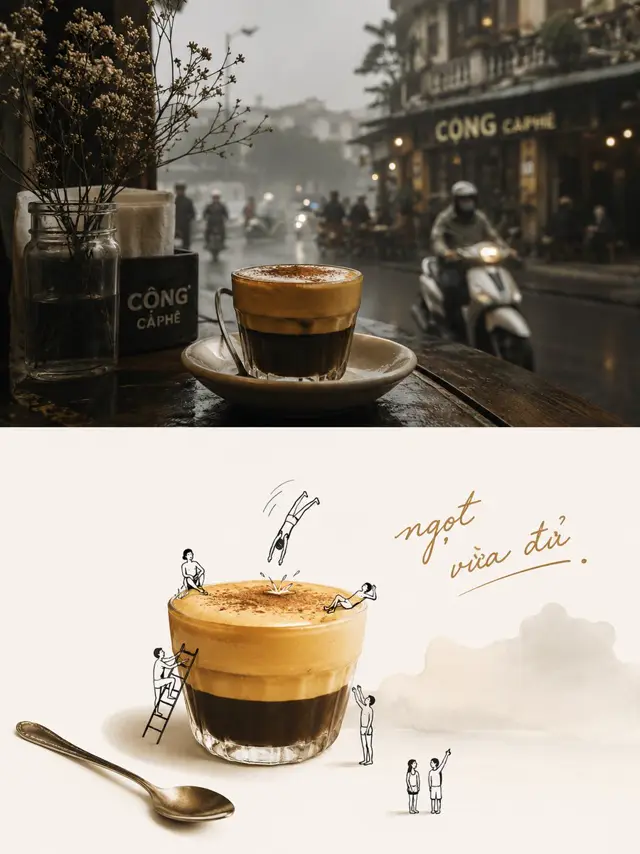
Un poster verticale con caffè vietnamita in una scena urbana e figure doodle in bianco e nero che la reinterpretano nella parte inferiore
Prompt
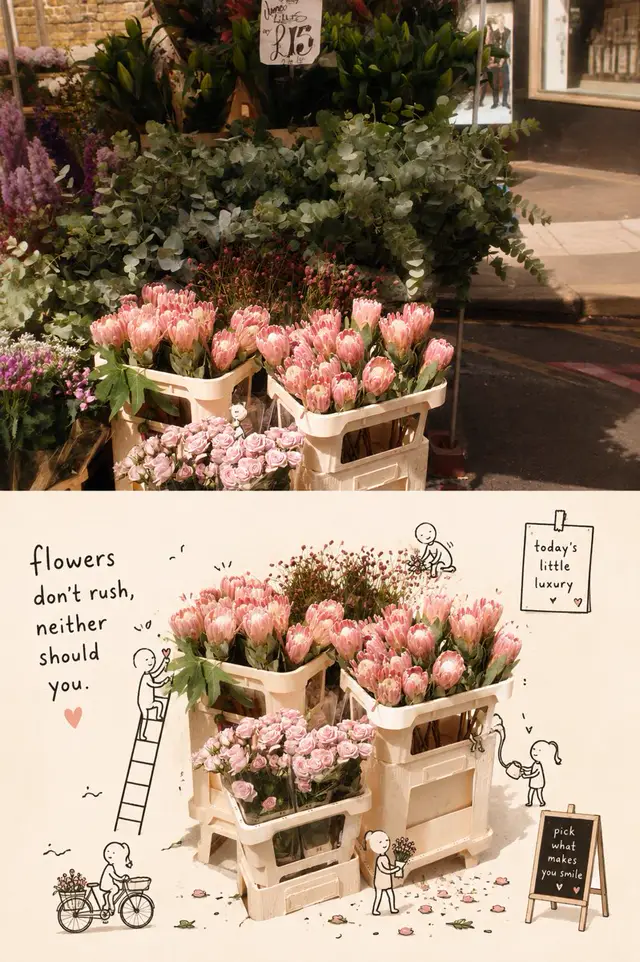
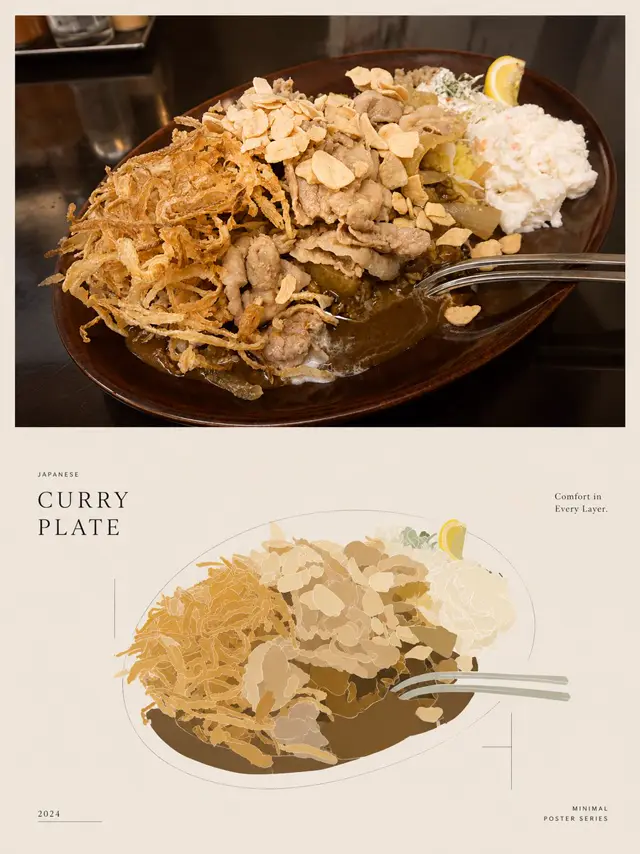
Trasforma ogni foto caricata in un poster indipendente dal design raffinato. Non creare collage composti da più foto; ogni foto deve essere restituita separatamente. Utilizza una composizione verticale complessiva 3:4, divisa in due sezioni orizzontali uguali con un rapporto di altezza rigoroso di 1:1, ciascuna delle quali occupa il 50% della tela.

La metà superiore deve preservare la foto originale, mantenendo la struttura del soggetto, la texture realistica, l’illuminazione naturale e le ombre, nonché l’atmosfera cromatica originale. Applica soltanto una delicata color grading fotografica di alta qualità, così da conferire l’atmosfera di una rivista lifestyle, di una pubblicazione indipendente o della fotografia d’arte. Per adattarsi al rapporto d’aspetto, l’ambiente circostante può essere esteso in modo naturale, ma il soggetto non deve essere allungato, deformato o alterato.

Per la metà inferiore, prima comprendi il vero nucleo visivo e il significato sottostante dell’immagine originale. La cosa più importante non è semplicemente “what is in the picture,” bensì “what is most worth remembering” — potrebbe trattarsi di un soggetto, un’azione, una relazione, un contrasto, un momento emotivo o un’implicazione simbolica. Estrai quindi il soggetto, la silhouette, la postura, la relazione spaziale e gli indizi narrativi più riconoscibili, e ricostruiscili in un giocoso poster editoriale nella forma di “real subject + black-line doodle figures.” Non ritagliare meccanicamente l’oggetto più grande dell’immagine originale. Conserva invece l’ancora visiva che rappresenta meglio lo spirito e la narrazione della foto, così che la metà inferiore possa essere immediatamente collegata all’immagine originale, pur dando allo stesso tempo l’impressione di una sua seconda interpretazione intelligente.

Il soggetto reale deve conservare le proprie qualità materiche e i tratti distintivi della propria identità; tuttavia, angolazione, proporzioni, illuminazione e colore possono essere ottimizzati moderatamente per rendere più vivide le sue caratteristiche fondamentali. Le informazioni dell’immagine originale non correlate al significato sottostante possono essere omesse, ma le relazioni chiave che sostengono il tema devono essere preservate. Aggiungi intorno al soggetto un piccolo numero di figure doodle minimaliste disegnate con linee nere. Le loro azioni, la disposizione e le interazioni devono essere generate naturalmente in base alla forma, al contesto e al significato implicito dell’immagine originale, così da dare l’impressione che stiano rispondendo alla storia originale della foto, amplificandola o invertendola giocosamente, invece di compiere azioni casuali.

La tavolozza cromatica deve essere ricavata dai colori più riconoscibili e vivaci della foto superiore, che possono essere moderatamente purificati, schiariti e riorganizzati. Lo sfondo deve utilizzare principalmente il bianco sporco, tonalità chiare o la tonalità pallida più armoniosa dell’immagine originale, mantenendo al contempo ampio spazio negativo. Il soggetto reale deve sostenere la presenza cromatica principale, mentre le figure doodle e il testo devono apparire in linee sottili nere o grigio scuro per creare contrasto, dando vita nel complesso a f
Please turn each uploaded photo into its own independent high-end designed poster. Do not make multi-photo collages; each photo must be output separately. Use an overall 3:4 vertical composition, divided into two equal horizontal sections with a strict 1:1 height ratio, each occupying 50% of the canvas.

The upper half should preserve the original photo, maintaining the subject’s structure, realistic texture, natural lighting and shadows, and the original color atmosphere. Only apply subtle, high-end photographic color grading so that it carries the feel of a lifestyle magazine, independent publication, or fine-art photography. To fit the aspect ratio, the surrounding environment may be naturally extended, but the subject must not be stretched, distorted, or altered.

For the lower half, first understand the true visual core and underlying meaning of the original image. The most important thing is not simply “what is in the picture,” but rather “what is most worth remembering” — this could be a subject, an action, a relationship, a contrast, an emotional moment, or some symbolic implication. Then extract the most recognizable subject, silhouette, posture, spatial relationship, and narrative clues, and reconstruct them into a playful editorial poster in the form of “real subject + black-line doodle figures.” Do not mechanically crop the largest object in the original image. Instead, preserve the visual anchor that best represents the spirit and storytelling of the photo, so that the lower half can be instantly connected to the original image while also feeling like an intelligent second interpretation of it.

The real subject should retain its material qualities and identity features, while its angle, proportion, lighting, and color may be moderately optimized to make its core characteristics more vivid. Information in the original image that is unrelated to the underlying meaning may be omitted, but the key relationships that support the theme must be preserved. Add a small number of minimalist black-line doodle figures around the subject. Their actions, placement, and interactions should be generated naturally based on the original image’s form, context, and implied meaning, so that they feel like they are responding to, amplifying, or playfully reversing the original story of the photo, rather than performing random actions.

The color palette should be drawn from the most recognizable and spirited colors in the upper photo, and may be moderately purified, brightened, and reorganized. The background should mainly use off-white, light tones, or the most comfortable pale tone from the original image, while maintaining plenty of negative space. The real subject should carry the main color presence, while the doodle figures and text should appear in black or dark gray fine lines for contrast, creating an overall f
I diritti su questo prompt appartengono all'autore @xiaoxiaodong01. Dell'uso commerciale — promozione di strumenti IA, aggregatori, bot Telegram — rispondi tu: mozgi.io non si assume alcuna responsabilità. Dettagli →