 mozgi
Researchers presented the GPEvac system for adaptive evacuation in emergency situations
The research group presented GPEvac — a framework based on graph neural networks (GNN) and the PPO reinforcement learning algorithm, designed to build evacuation routes in real-time during mass incidents. The system minimizes the time people spend in hazardous areas, taking into account crowd dynamics and the uncertainty of attacker behavior.
The model architecture uses a sequential message passing scheme with a trainable virtual global node, allowing it to consider both local and remote dependencies in the building structure. Thanks to the permutation-invariant scoring mechanism, one trained policy can effectively work in rooms with different topologies and scales without requiring retraining for a specific floor plan.
A key advantage of the system is its high computation speed: generating global evacuation routes takes only 14.73 ms on a standard processor. This allows the solution to be integrated into existing video surveillance systems for prompt response. In simulations, GPEvac showed a significant reduction in the overall threat level for evacuees compared to basic navigation algorithms.
The methodology described in the scientific paper is applicable not only for emergency situations but also for managing critical infrastructure, intelligent transportation systems, and adaptive sensor networks. The study is published under the CC BY 4.0 license, allowing the findings to be used for further development of security systems.
Related news
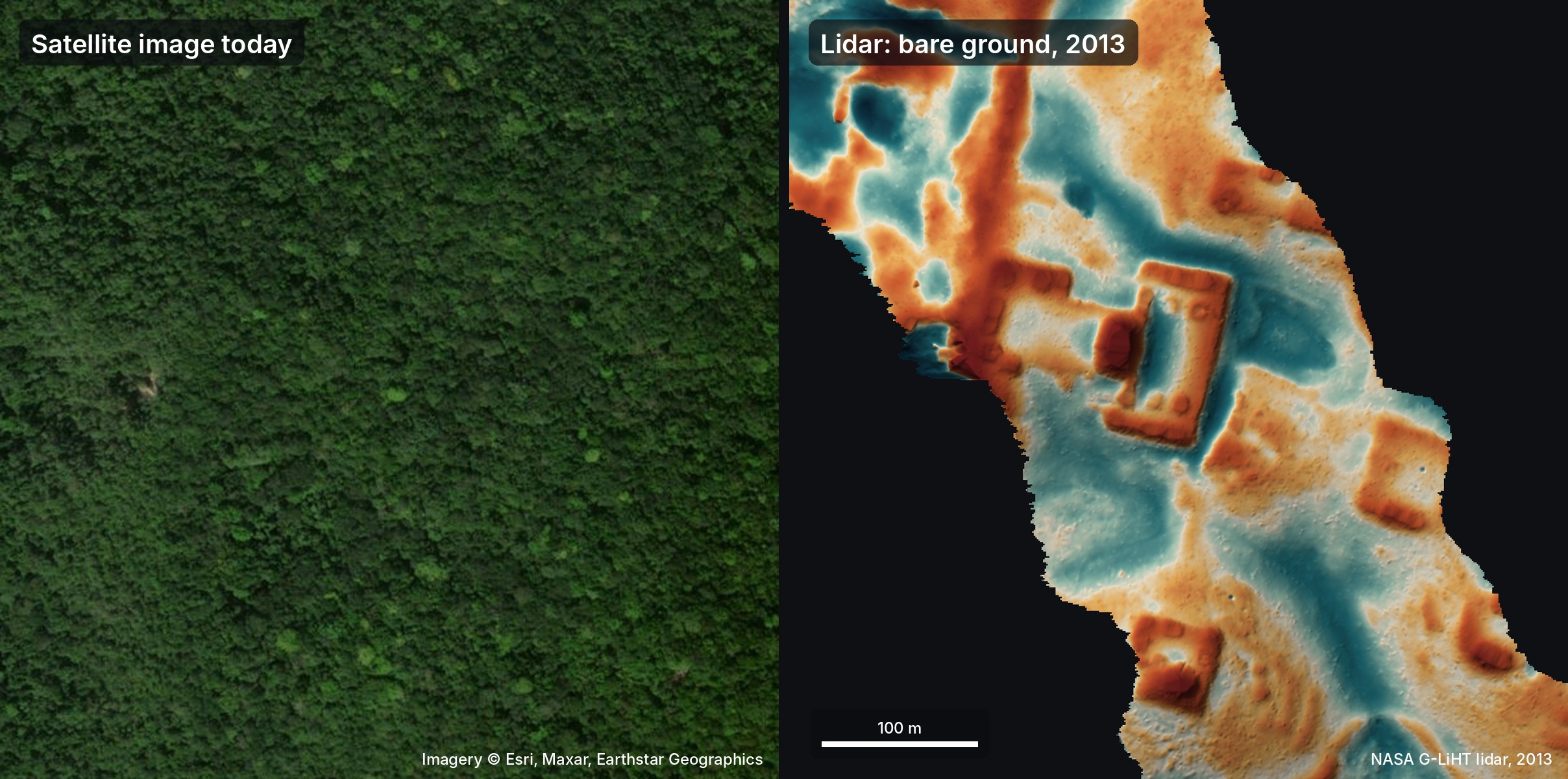 Google SWE used 48 AI agents to find an ancient Mayan pyramid
November 11, 2026
 Anthropic summarizes seven months of Project Glasswing
November 10, 2026
 Researchers have introduced a method for recursive self-improvement of The Trinity agents
November 10, 2026
 Google DeepMind has introduced AlphaProof Code for software verification
November 10, 2026