 mozgi
China and xAI are scaling energy infrastructure for data centers
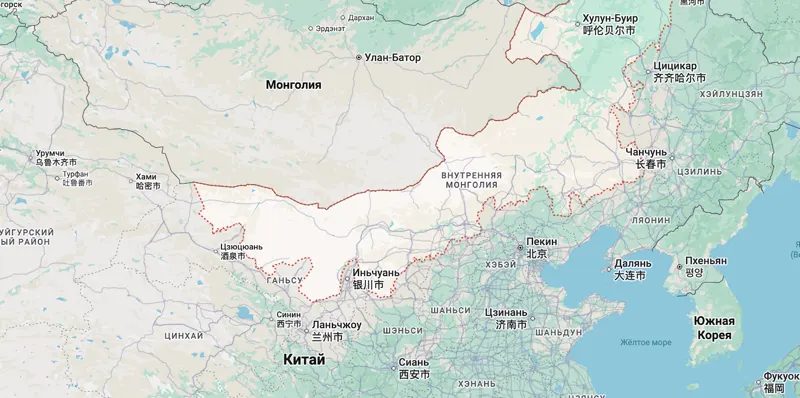
Chinese authorities and the company xAI faced the need for large-scale expansion of energy capacities to ensure the operation of GPU clusters. Inner Mongolia plans to create computing centers that require energy consumption at the level of gigawatts, which forces the construction of specialized wind and solar power plants directly next to the facilities.
A similar approach is demonstrated by Colossus, Elon Musk's project in Memphis. To accelerate the launch of the supercomputer, the company used a ready-made industrial building and deployed its own gas generation. This solution allowed bypassing the limitations of traditional power grids, which are not capable of providing instant commissioning of such scale capacities.
A key engineering problem for both sides remains the imbalance between the speed of supply of server equipment and the preparation of physical infrastructure. The purchase and installation of GPUs occurs significantly faster than the construction of substations, power transmission lines, and energy storage systems necessary for uninterrupted power supply to computing nodes.
This situation reflects a global trend in the industry, where access to electricity is becoming the main limiting factor for the development of AI. Companies are forced to switch from a model of consuming energy from the general grid to creating autonomous energy hubs integrated with renewable sources or their own generators to support the operation of data centers.
Related news
 John Langford has left Microsoft and closed AI Frontiers
November 7, 2026
 Nvidia accused of supplying chips to shell companies in China
November 7, 2026
 Google has acquired a data center site from Crusoe in Wyoming
November 6, 2026
 Chinese intelligence attempted to recruit a top executive for Nvidia
November 6, 2026