 mozgi
Apple has changed the rules for training AI on user data
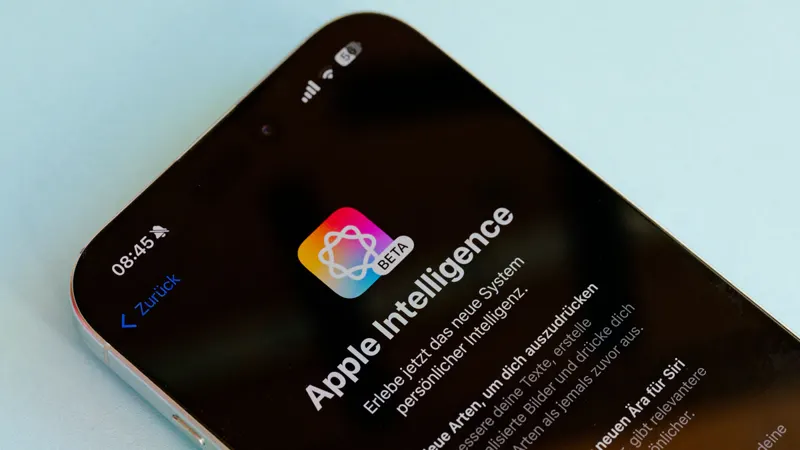
Apple has officially revised its approach to collecting data for training its generative models. Starting with version iOS 27, the company is introducing a mechanism for using Siri audio recordings and text transcripts to fine-tune algorithms, which was previously limited by strict privacy rules.
The new policy requires users to give explicit consent through an opt-in system. Previously, the company relied exclusively on Private Cloud Compute architecture, which implied processing requests without storing data on servers for training purposes. Now, some user interactions will be directed to training datasets to improve the quality of the system's responses.
The changes affect all devices running the current version of the operating system. Despite the introduction of the consent feature, experts note a departure from the previous "local processing" strategy, which was a key marketing advantage for the company. The technical aspects and implications of this decision are being actively discussed in the Hacker News community.
This step marks a paradigm shift in working with data in the Apple ecosystem. The transition to using real user data to train models indicates the company's desire to close the gap in response quality compared to competitors, who have long been using arrays of data from user sessions to iteratively improve their neural networks.
Related news
 Nvidia accused of supplying chips to shell companies in China
November 7, 2026
 Google has acquired a data center site from Crusoe in Wyoming
November 6, 2026
 Chinese intelligence attempted to recruit a top executive for Nvidia
November 6, 2026
 OpenAI has raised an additional $11 billion
November 6, 2026