 mozgi
Researchers evaluated the effectiveness of architectural solutions for AI agents
A group of researchers published a work An Empirical Study of Harness Design for Coding Agents, in which they analyzed the impact of various infrastructure components on the performance of automatic programming systems. The authors studied how context management methods and planning strategies affect the final quality of the code.
During the experiment, it was found that when working with a limited context window, the most effective approach is to use elision rules (removal of irrelevant data) before applying summarization based on LLM. This method allows preserving critically important code fragments, minimizing information loss when compressing data for the model.
The study also showed that the role of planning changes depending on the power of the neural network used. For less powerful models, planning acts as a tool for increasing accuracy, while for strong models it becomes a means of optimizing costs, allowing reducing the number of redundant API calls without losing the quality of the result.
The analysis confirmed that the architecture of the agent's "harness" determines its ability to solve complex development tasks. Using strict data filtering rules before feeding them into the model allows reducing the level of "hallucinations" and increasing the percentage of successful test passes in code generation tasks.
The results of the work are available in the arXiv repository. The obtained data allows AI agent developers to more accurately tune data processing pipelines, moving from universal approaches to specialized context management strategies depending on computational resources and task complexity.
Related news
 Anthropic summarizes seven months of Project Glasswing
November 10, 2026
 Researchers have introduced a method for recursive self-improvement of The Trinity agents
November 10, 2026
 Google DeepMind has introduced AlphaProof Code for software verification
November 10, 2026
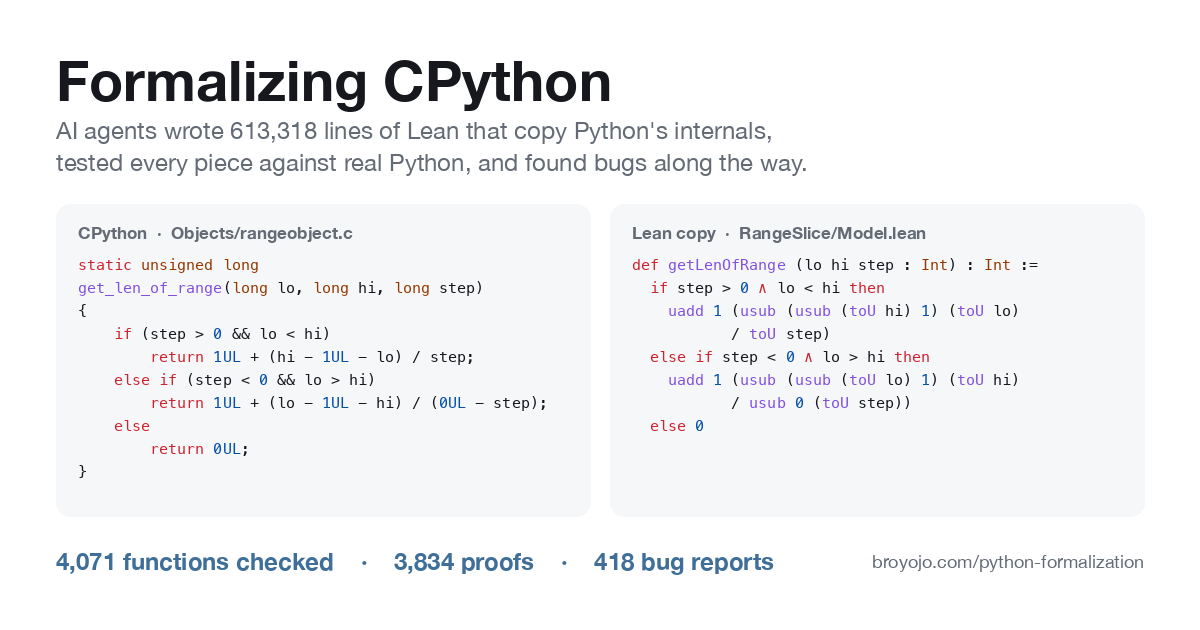 AI agents rewrote CPython code in Lean to find bugs
November 10, 2026