 mozgi
Researchers presented a unified framework for assessing the reliability of AI
A group of researchers published a unified framework for evaluating the reliability of modern artificial intelligence systems, including LLM, agent-based and multimodal models. The methodology allows for standardizing the testing of systems that previously required disparate approaches to testing.
The system evaluates models based on eight key dimensions: performance, robustness, security, fairness, transparency, governance, oversight, and efficiency. The framework converts specific metrics of each model into common performance ranges, supplementing them with uncertainty estimates and traceable evidence. This allows avoiding situations where aggregated scores hide critical failures in algorithm operation.
The structure includes a meta-evaluation layer that checks the validity, reliability, and reproducibility of the test results themselves. To ensure compliance with international standards and European Union requirements, the framework directly links technical indicators to regulatory norms. This approach allows developers to create profiles that clearly demonstrate the strengths and weaknesses of a specific architecture.
The tool provides a structured basis for verifying the validity of the data on which trust in AI systems is built. The authors emphasize that the use of uniform standards is necessary for transitioning from simple benchmarks to comprehensive safety assessments in real operating conditions. The work is distributed under the Creative Commons Attribution 4.0 license.
Related news
 Alibaba introduces Co-Design Bench for AI agents
November 8, 2026
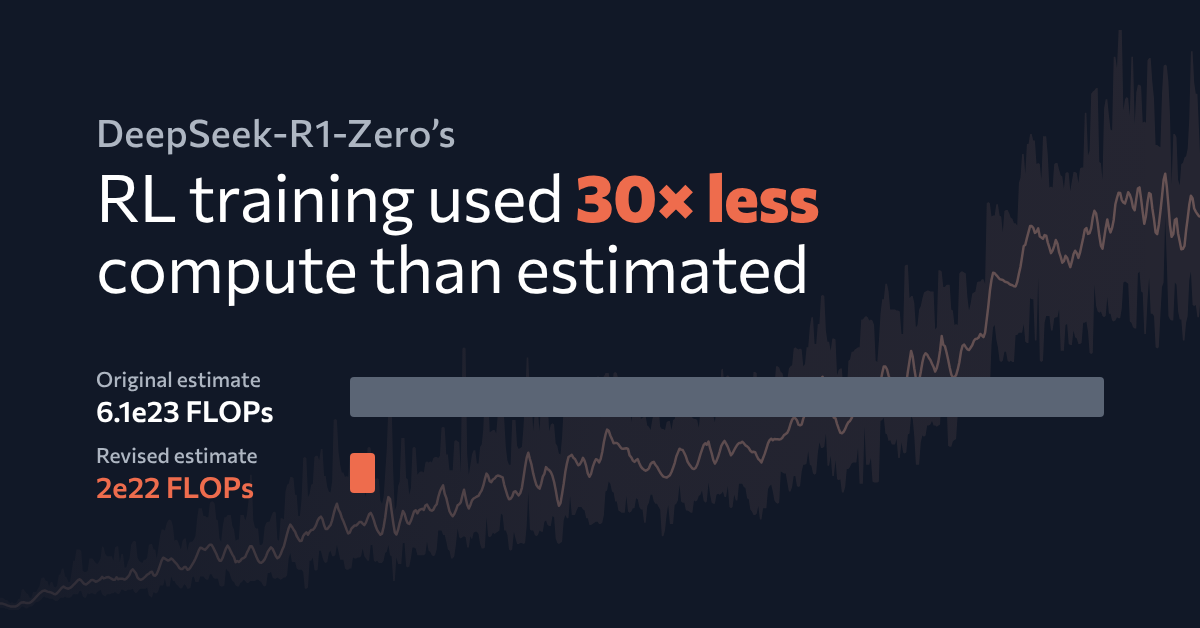 DeepSeek-R1-Zero required 30 times less computing power
November 7, 2026
 MaxxBench reveals performance drop in language models
November 7, 2026
 Anthropic researcher evaluates AI effectiveness in auditing agent actions
November 7, 2026