 mozgi
Samsung will double the production of HBM4 and HBM4E memory
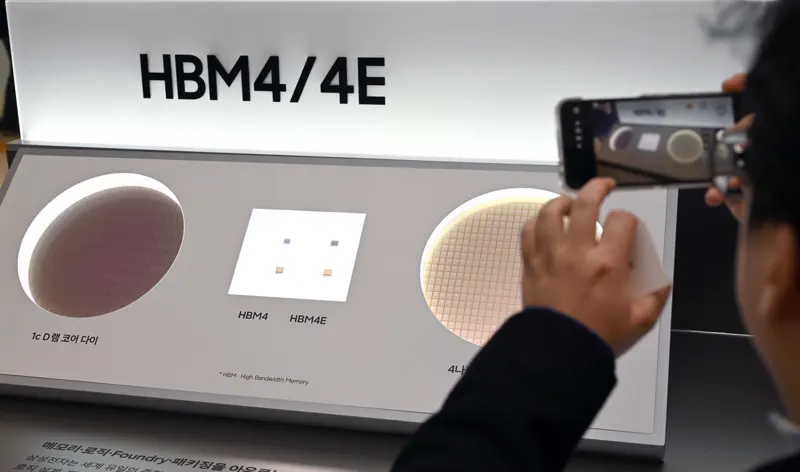
Samsung plans to more than double the production of next-generation memory HBM4 and HBM4E over the next year. The decision is driven by a sharp increase in demand for high-performance computing and neural network training components.
The key factor in expanding capacity was the 2.5-fold growth in demand for glass carriers, which are necessary for the multi-layered arrangement of memory chips. The use of such carriers allows for increased crystal density and improved thermal characteristics of the modules, which is critical for working with modern graphics accelerators.
The company's production strategy is aimed at meeting the needs of AI chip manufacturers, which are transitioning to architectures that support HBM4. The transition to new memory standards provides higher bandwidth and energy efficiency compared to the current HBM3E generation, which is a bottleneck when scaling clusters for training large language models.
Currently, the HBM market remains one of the most deficit segments of the semiconductor industry. Increasing production will allow the company to strengthen its position in the supply chain for leading AI hardware developers, ensuring stable memory supplies for future generations of computing systems.
Related news
 John Langford has left Microsoft and closed AI Frontiers
November 7, 2026
 Nvidia accused of supplying chips to shell companies in China
November 7, 2026
 Google has acquired a data center site from Crusoe in Wyoming
November 6, 2026
 Chinese intelligence attempted to recruit a top executive for Nvidia
November 6, 2026