 mozgi
US voters are voting en masse against the construction of data centers
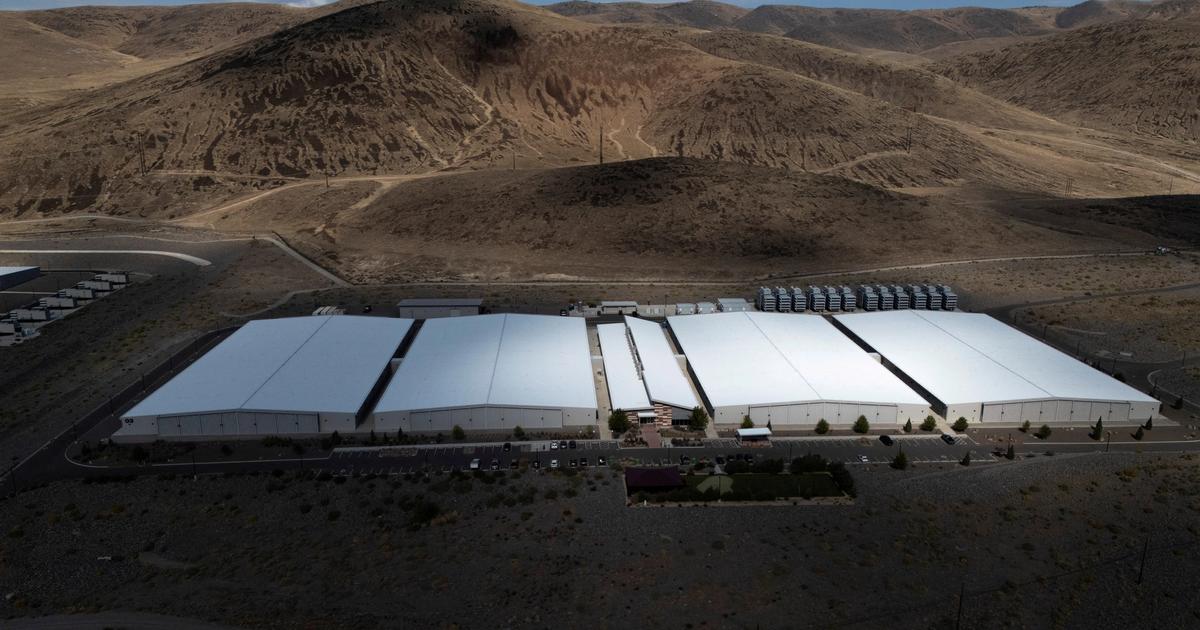
In the recent US elections, voters rejected initiatives related to expanding infrastructure for data centers. The results of voting on a number of regional measures showed a reluctance among local communities to support the construction of new facilities needed to power energy-intensive computing capacity.
The public's refusal to support data center development projects creates new obstacles for tech companies looking to scale their computing resources. The main reasons for citizen dissatisfaction include concerns over excessive electricity consumption, strain on local grids, and the environmental impact of operating large server farms near residential areas.
This trend could significantly complicate the process of scaling AI infrastructure, which requires stable power supplies and space. With demand for model training and inference continuing to grow, such local legislative restrictions are becoming a critical factor for capital expenditure planning by major market players.
For the industry, this means a need to rethink capacity placement strategies and find more sustainable ways to integrate infrastructure into the urban environment. Further developments are being discussed in the Hacker News community, where experts are analyzing the impact of political decisions on the pace of generative technology adoption.
Related news
 IEEE has published an article on the PHP2Shell vulnerability and AI debt
November 4, 2026
 Google faces a slowdown in search advertising revenue growth due to AI
November 4, 2026