 mozgi
Nvidia uses from 10 to 30 RISC-V cores in each graphics processor
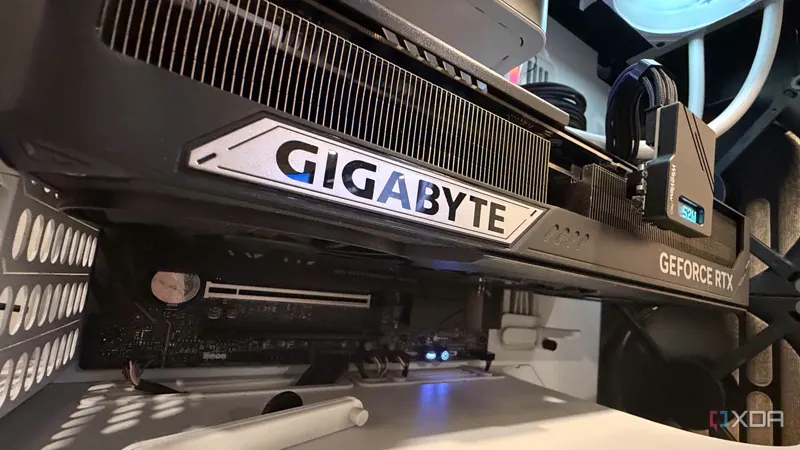
Company Nvidia integrates from 10 to 30 specialized RISC-V architecture cores into each modern graphics processor, these computational blocks perform auxiliary functions, providing hardware resource management and interaction with low-level drivers.
The transition to RISC-V began in 2018, when these cores started gradually replacing proprietary 32-bit Falcon microcontrollers, in particular, one of these cores is now fully responsible for performing graphics driver tasks, which was previously the prerogative of the outdated architecture, using an open standard allows the company to optimize power consumption and flexibility of managing internal chip processes.
The presence of dozens of independent cores within the GPU allows distributing the load of managing memory, power, and security without the involvement of the main graphics pipeline, this solution provides higher reliability when performing background operations critical to the stability of the graphics card under high load.
Integration of RISC-V into consumer and professional Nvidia solutions highlights the global trend of using open architectures in the semiconductor industry, the transition to standardized cores simplifies firmware development and allows the company to quickly implement microcode updates for its graphics accelerators.
Related news
 Google has acquired a data center site from Crusoe in Wyoming
November 6, 2026
 Chinese intelligence attempted to recruit a top executive for Nvidia
November 6, 2026
 OpenAI has raised an additional $11 billion
November 6, 2026
Microsoft is winding down its cloud capacity rental deal with Oracle
November 6, 2026