 mozgi
Nvidia introduced support for the Rust language for GPU programming
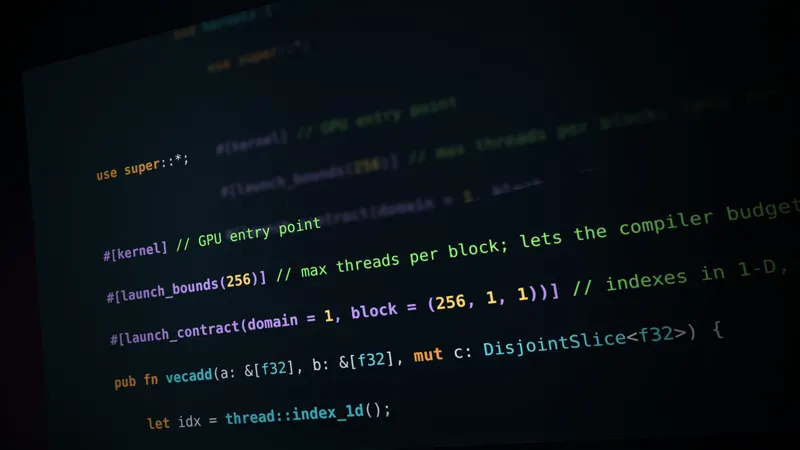
Nvidia has officially announced the introduction of native support for the Rust language for developing graphics processor kernels. The new solution allows using the memory safety benefits of Rust when creating high-performance computations on the CUDA architecture.
Development is being carried out in two main directions. The cuda-oxide project is focused on writing kernels in the SIMT (Single Instruction, Multiple Threads) style, which provides a familiar approach for developers working with classic CUDA kernels. The second direction, cutile-rs, is designed for tile programming, allowing for efficient management of the GPU memory hierarchy.
The toolkit provides full interoperability with existing CUDA C++ and Python code. This allows integrating Rust modules into already completed projects without the need to rewrite the entire codebase. Developers get access to Rust's strict type system, which reduces the likelihood of memory access errors when performing parallel computations.
The introduction of Rust into the Nvidia ecosystem is aimed at increasing the reliability of low-level code. Using the language allows for automating resource management and eliminating common vulnerabilities associated with incorrect pointer handling in a multithreaded environment. Details of the implementation and examples of integration are available in the company's official blog.
This step expands the possibilities for system programmers who prefer Rust for creating critical software components. The transition to safer programming languages is becoming a standard in the high-performance computing industry, where the cost of memory errors when working with GPU memory is extremely high.
Related news
 Google has taught smartwatches to detect high blood pressure without a cuff
November 7, 2026
 Researcher gains full access to Meta Ray-Ban firmware
November 6, 2026
 OpenAI has opened outbound SIP calling to all organizations
November 6, 2026
 Replit has updated its sandbox engine based on microVMs
November 6, 2026