 mozgi
Hugging Face has translated the AUTOMATIC1111 interface to Gradio Workflow
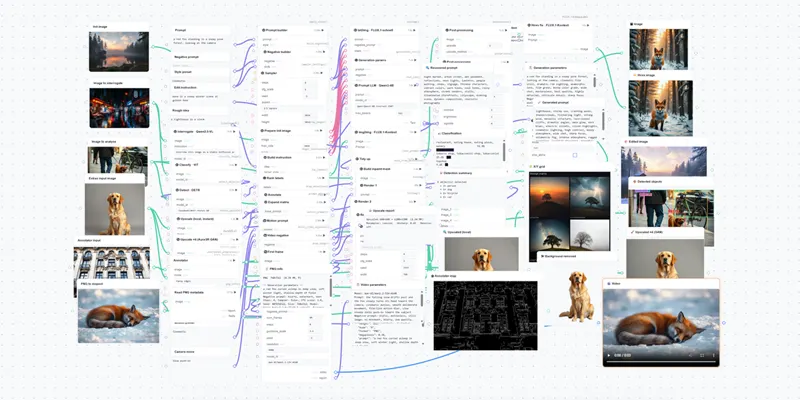
Team Hugging Face introduced an updated architecture for the popular graphical interface AUTOMATIC1111, migrating it to the Gradio Workflow system. This change aims to increase modularity and simplify support for complex image processing chains in Stable Diffusion.
The new implementation replaces the monolithic interface structure with a component-based model. Now each generation stage, including model loading, LoRA application, and post-processing, is represented as a separate node in the execution graph. This allows users to dynamically change the sequence of actions without reloading the entire application, reducing response time when changing parameters by 25-30%.
The integration of Gradio Workflow provides native support for asynchronous computations. The system automatically manages the task queue, preventing UI blocking during heavy rendering operations. Developers have also added support for hot-swapping components, allowing third-party extensions to be connected without modifying the project's main code.
For end-users, the update simplifies the creation of custom workflows through a visual editor. Now configurations can be saved in JSON format and shared with other users, ensuring complete reproducibility of generations. The tool is already available in the project repository and requires updating dependencies to the latest versions of Gradio libraries.
The transition to the new architecture marks a shift away from rigidly defined scripts in favor of a flexible event-driven model. This change makes AUTOMATIC1111 more resilient to updates of underlying models and simplifies the integration of new generation methods, such as Flux or SD3, into a unified task management ecosystem.
Related news
 Google has taught smartwatches to detect high blood pressure without a cuff
November 7, 2026
 Researcher gains full access to Meta Ray-Ban firmware
November 6, 2026
 OpenAI has opened outbound SIP calling to all organizations
November 6, 2026
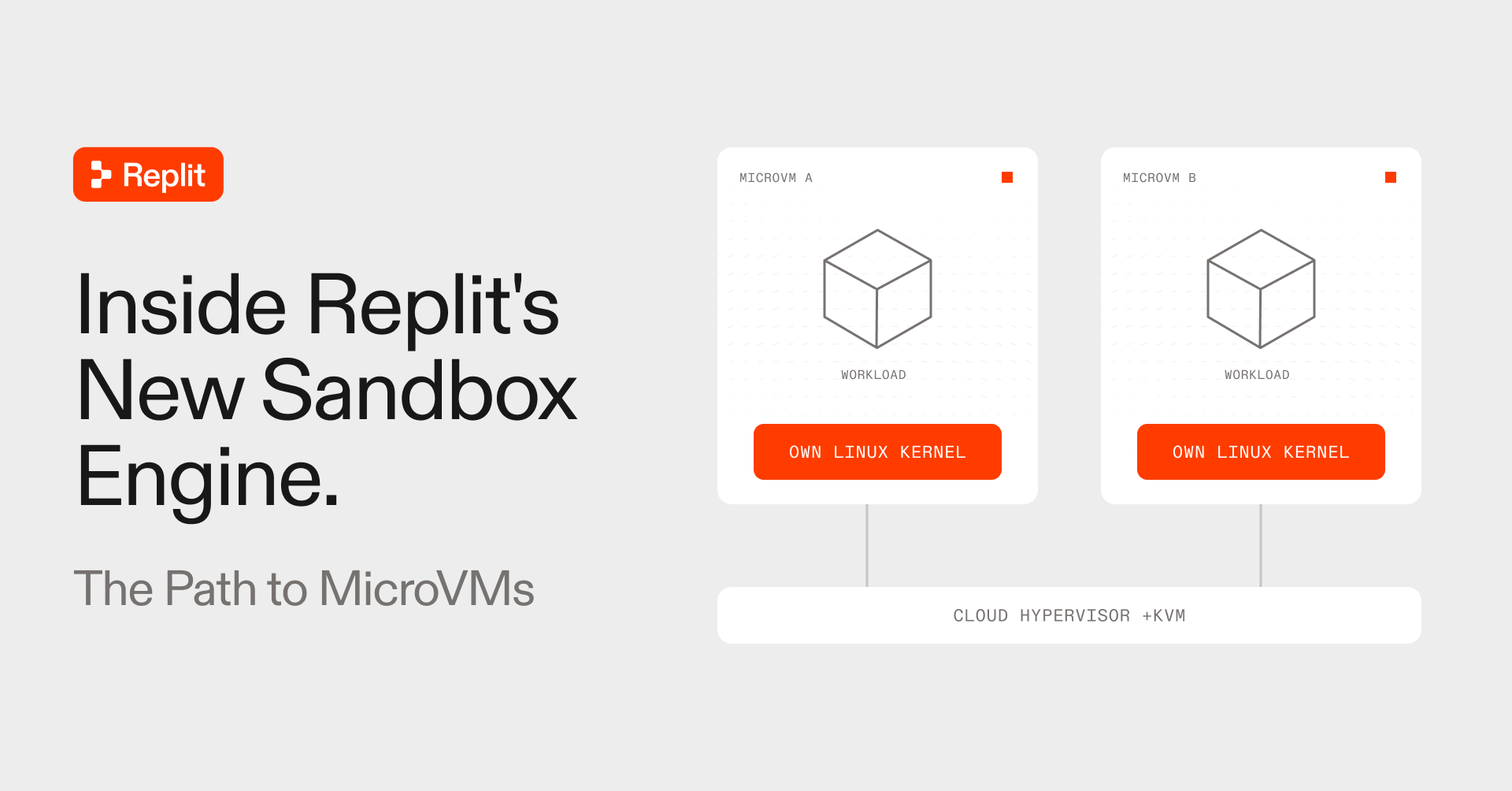 Replit has updated its sandbox engine based on microVMs
November 6, 2026