 mozgi
University laboratory released tools for local launch of AI
The research laboratory presented a set of open-source tools that allow running advanced language models on ordinary consumer equipment. The release includes optimized methods for working with Qwen 3.8 and DeepSeek V4.1 architectures, which previously required server capabilities.
The package includes a standalone research agent designed for automatic optimization of software code. The system is capable of conducting iterative improvement of algorithms without human intervention, using built-in mechanisms for checking the correctness of task execution. The toolkit is aimed at developers seeking to reduce their dependence on cloud APIs when working with heavy neural networks.
The technical implementation relies on new methods of quantization and memory management, which allows placing the weights of frontier class models within standard GPU configurations. The developers note that using these solutions reduces inference delays and provides full control over data processed locally on personal workstations.
The project is available for integration into existing development pipelines through the laboratory repository. The implementation of such technologies allows running complex logical chains and agent systems in an isolated environment, which is critical for tasks that require increased confidentiality and absence of network restrictions during computational operations.
Related news
 OpenAI has opened outbound SIP calling to all organizations
November 6, 2026
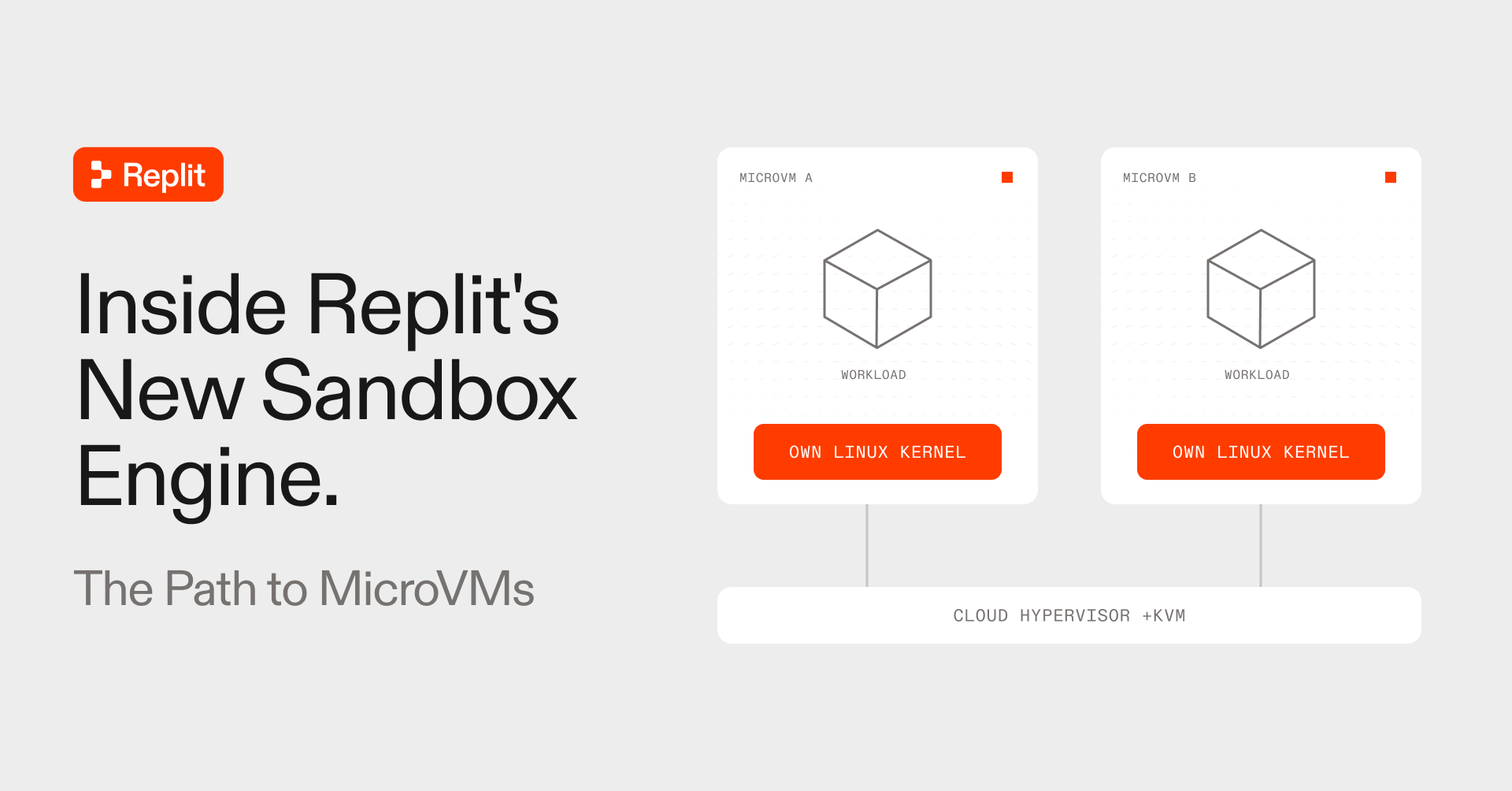 Replit has updated its sandbox engine based on microVMs
November 6, 2026
 Meta has added a spaces feature to customize the Muse AI assistant
November 6, 2026
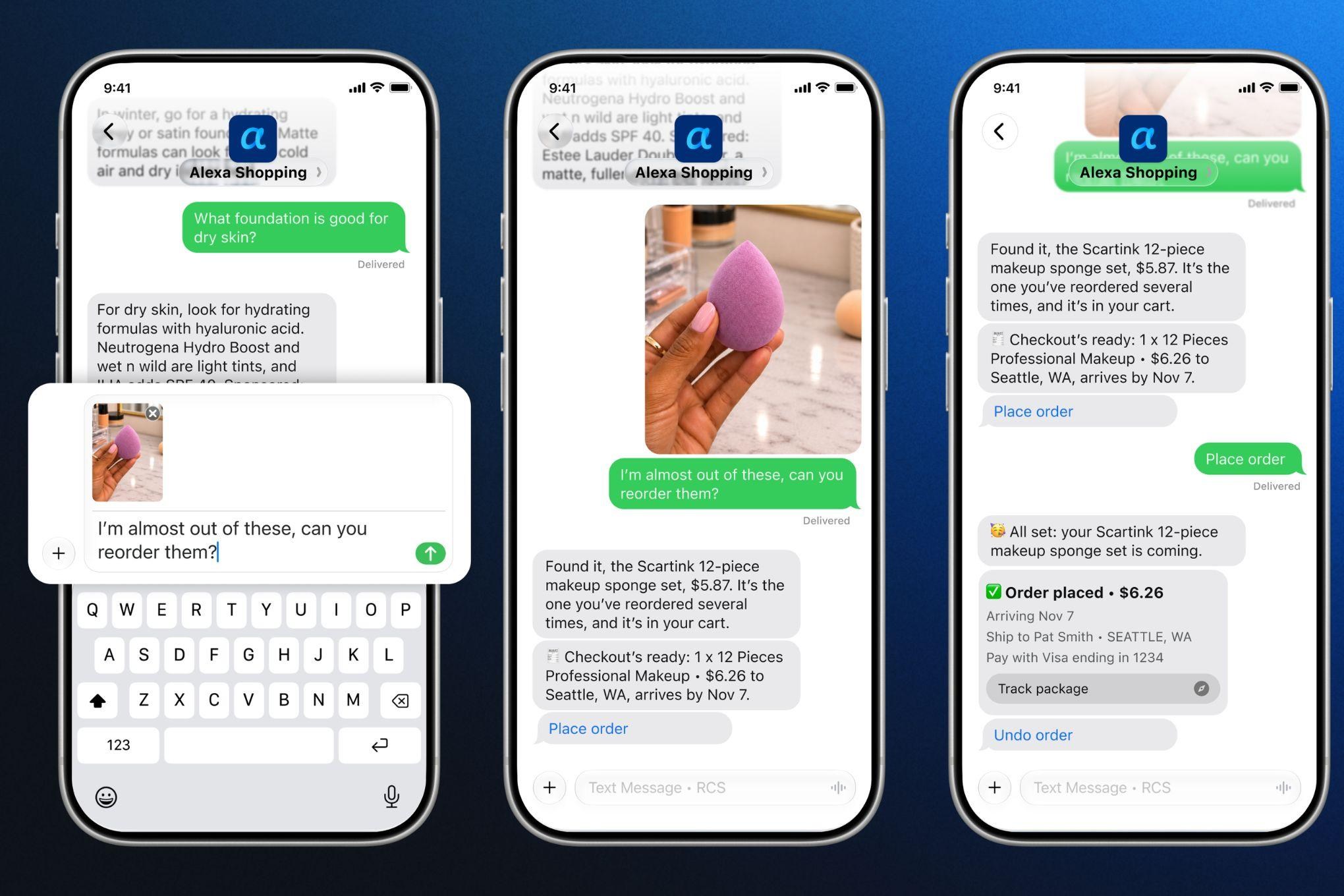 Amazon has added text search and ordering to Alexa for Shopping
November 6, 2026