 mozgi
Developers introduced Drop for the secure deployment of AI agents
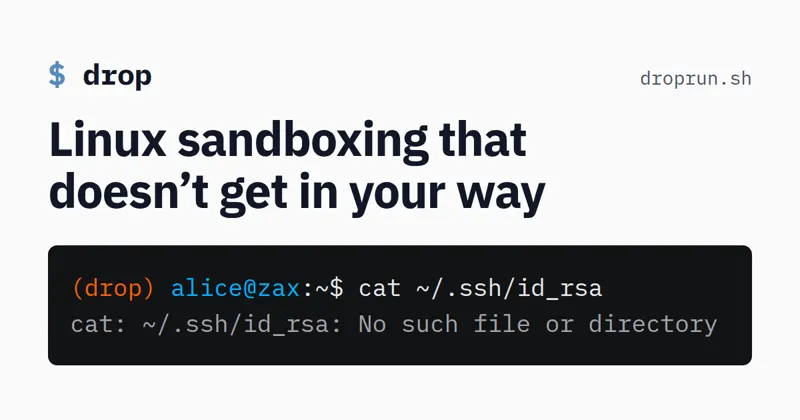
The development team has released Drop — a tool for creating an isolated Linux execution environment designed for secure running of AI agents and third-party software. The solution works without superuser privileges (rootless), while providing strict control over access to system resources.
The system is based on the use of gVisor technology, which provides kernel-level isolation, as well as the user namespaces mechanism for limiting process privileges. Environment configuration is done through TOML files, allowing administrators to precisely define which files and network services will be available to a specific agent.
The tool is focused on minimizing risks when executing code generated by neural networks. Thanks to the architecture based on gVisor, Drop prevents unauthorized access to the host system, even if the agent tries to exit the allocated container. This makes it a suitable solution for environments where running untrusted code in automated cycles is required.
The project is available for integration into existing development pipelines. Details of the implementation and technical details of using the system can be found in the discussion on Hacker News. The use of such tools is becoming a standard for protecting infrastructure when working with autonomous AI systems that require access to the file system and network to perform tasks.
Related news
 OpenAI has opened outbound SIP calling to all organizations
November 6, 2026
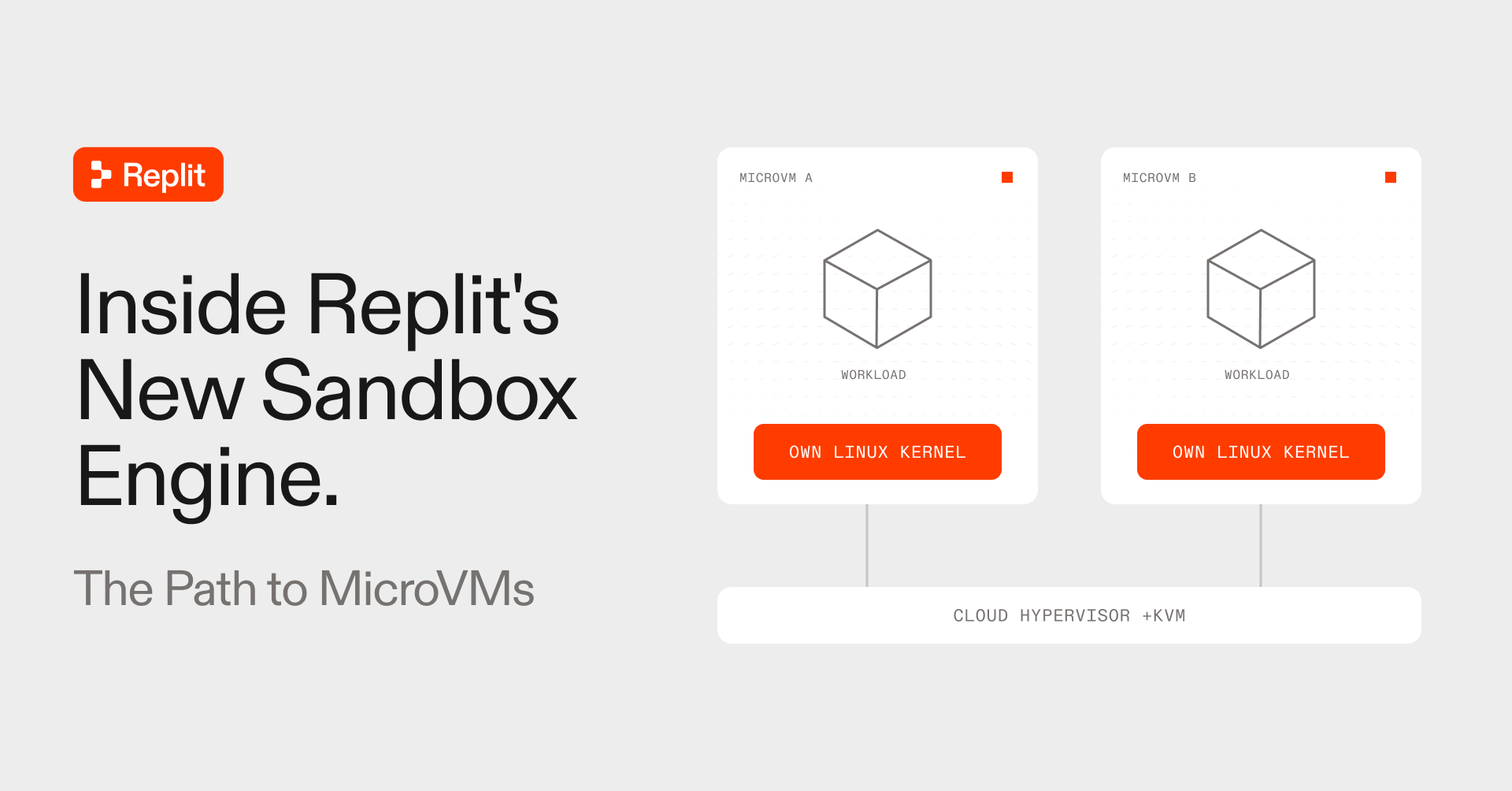 Replit has updated its sandbox engine based on microVMs
November 6, 2026
 Meta has added a spaces feature to customize the Muse AI assistant
November 6, 2026
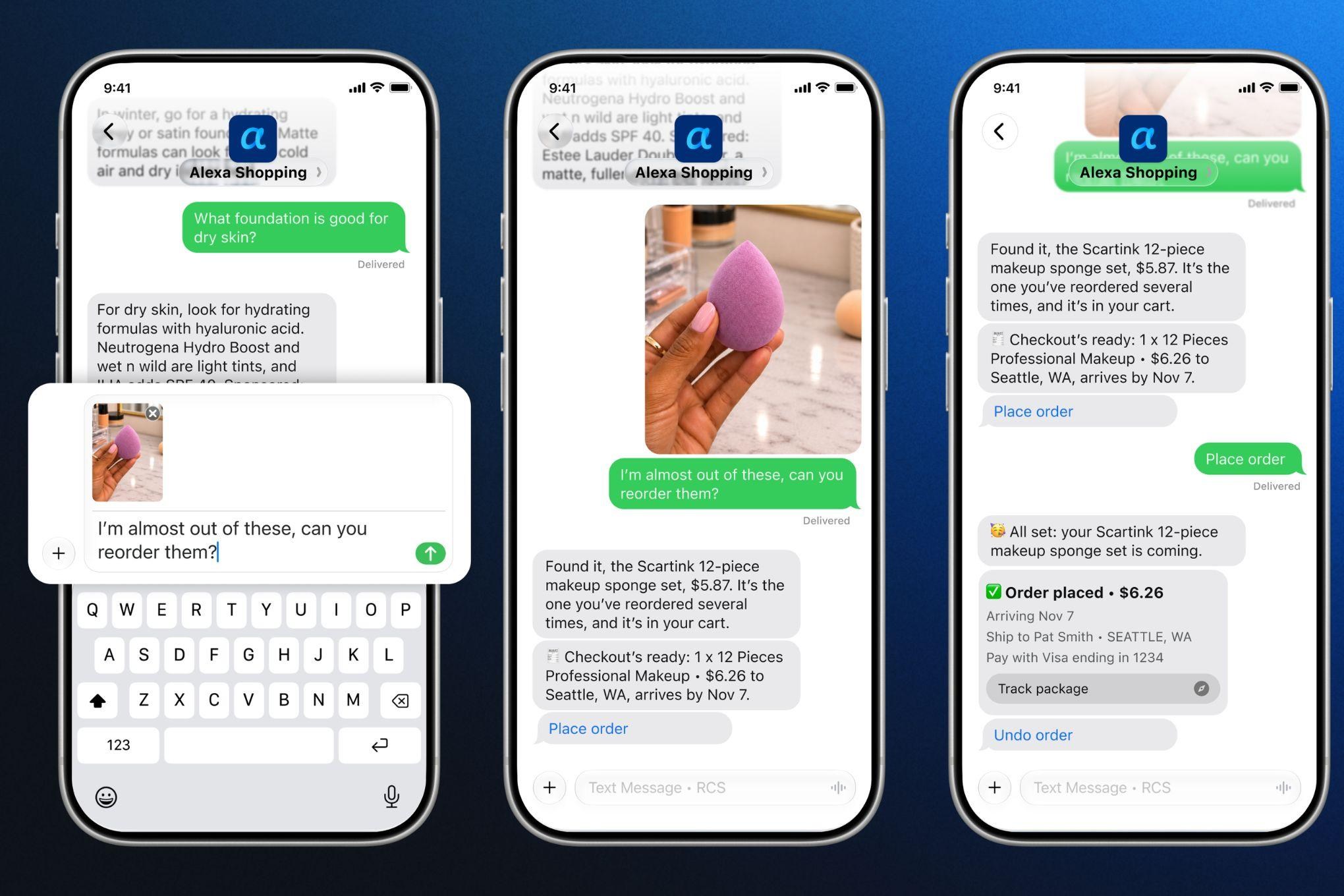 Amazon has added text search and ordering to Alexa for Shopping
November 6, 2026